
CAMBRIDGE ART & DESIGN
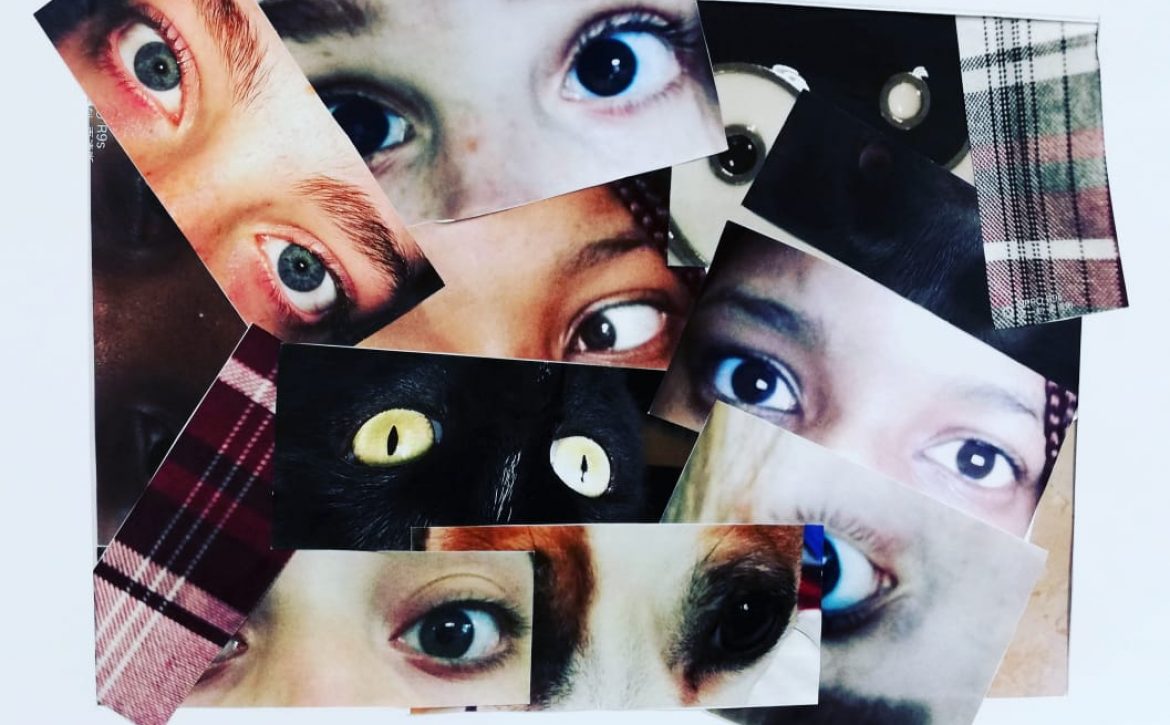
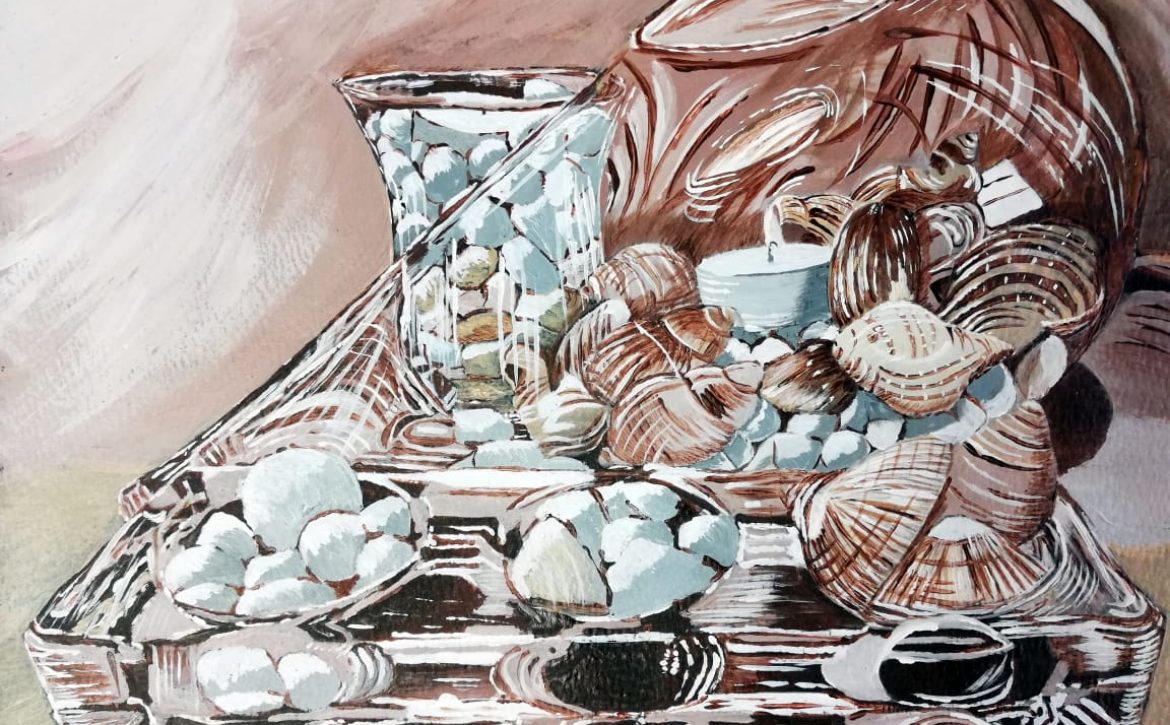
Art programs encourage students to be creative and use their imagination as much as possible. As this increased emphasis on creativity happens, children cherish new ways of thinking about the world in general. Needless to say, art programs are a critical aspect in helping students to magnify their understanding of their place in relation to the rest of the world they live in.
Additionally, students are also capable of developing an understanding and appreciation for different cultures, which can translate to an increased sense of tolerance and social acceptance.
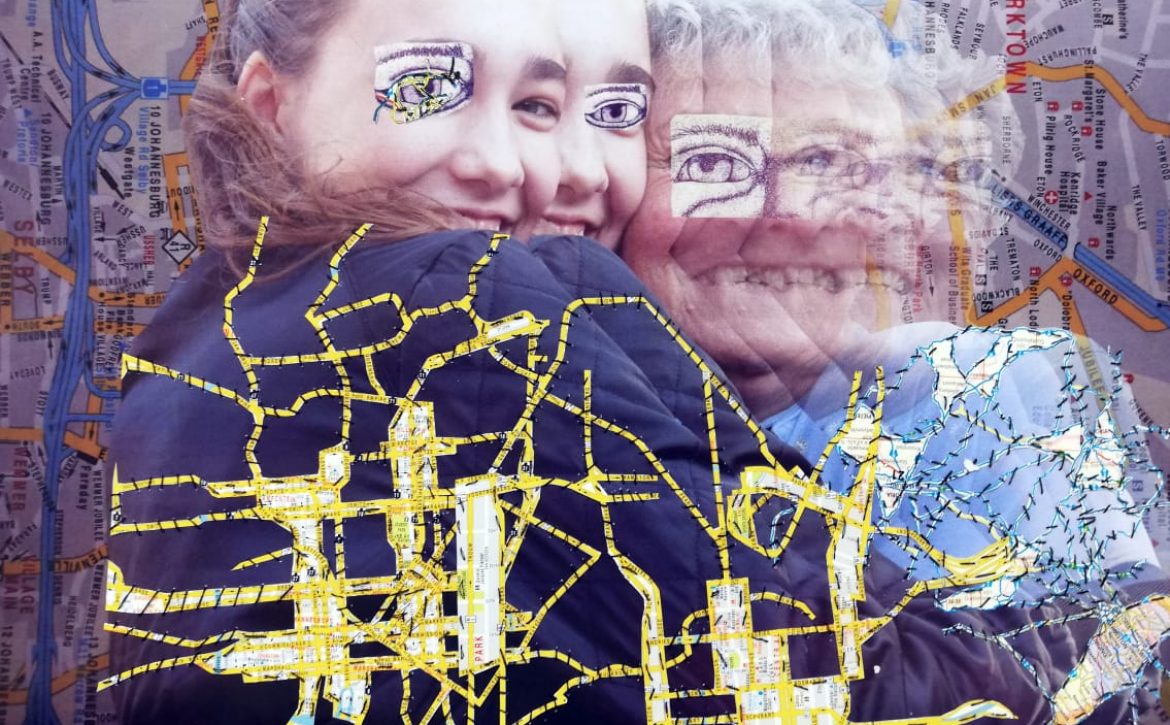
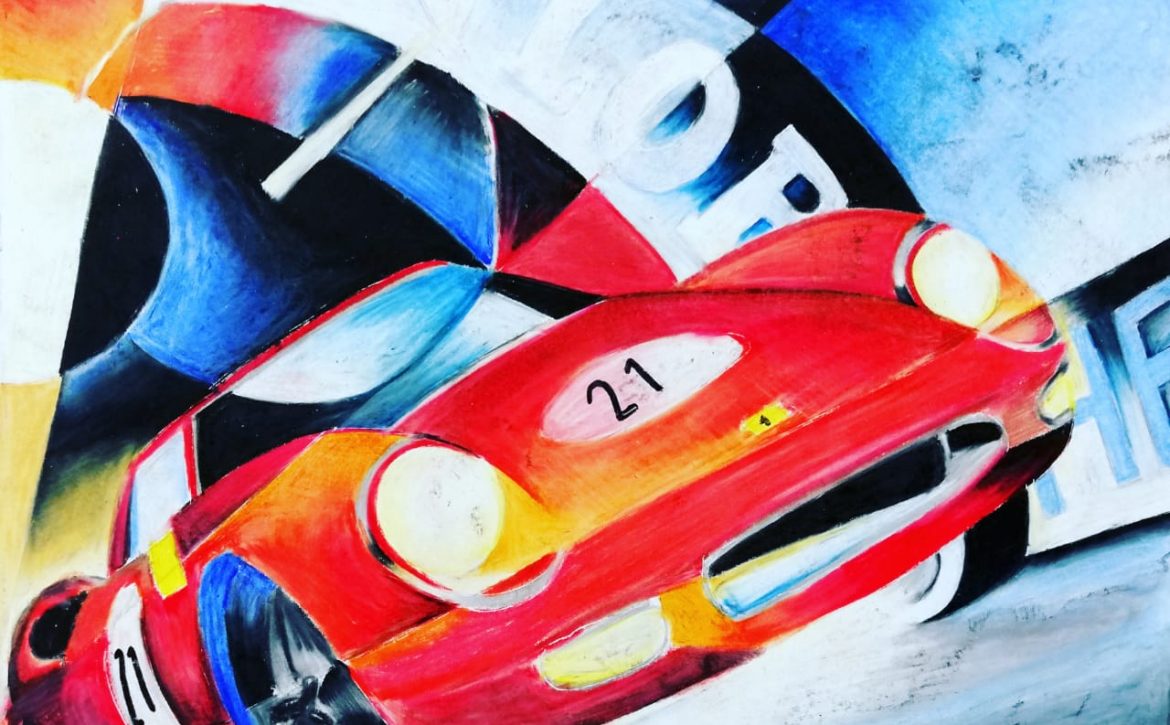
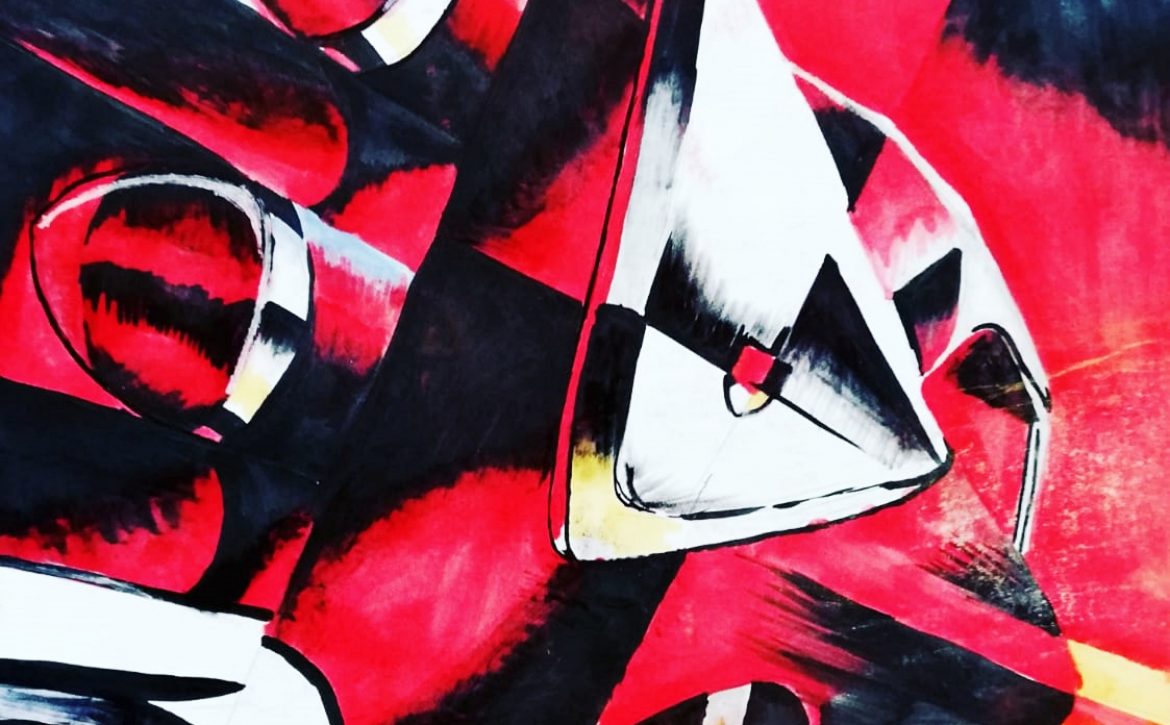
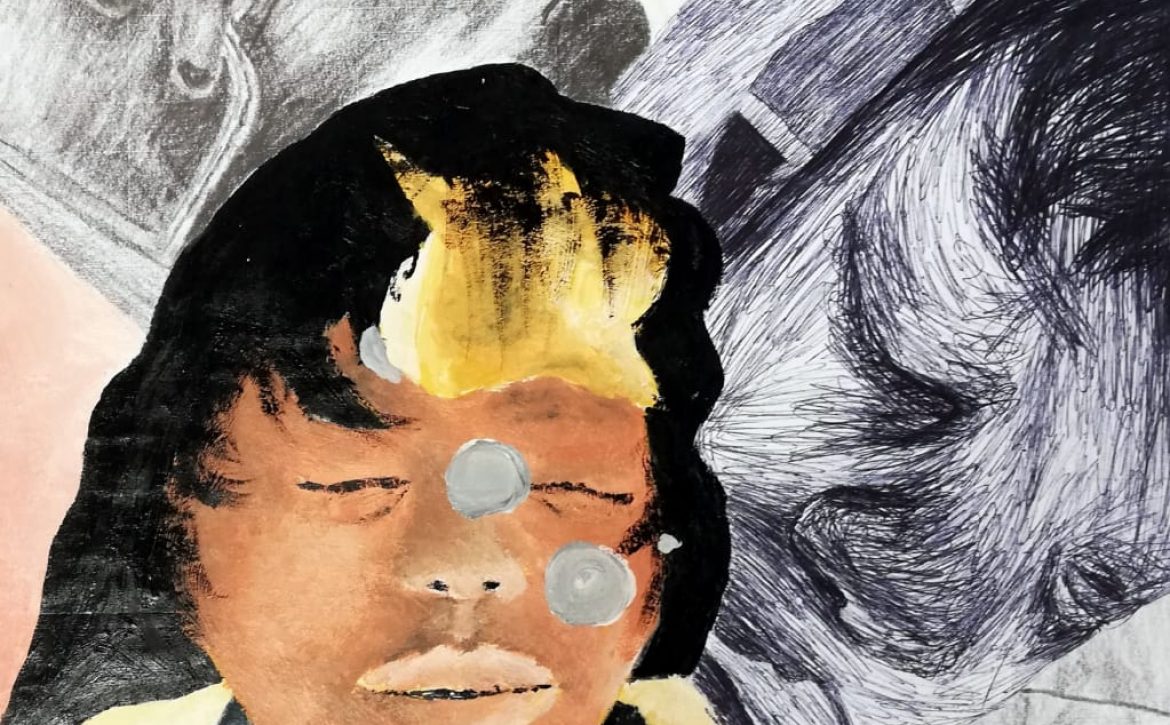
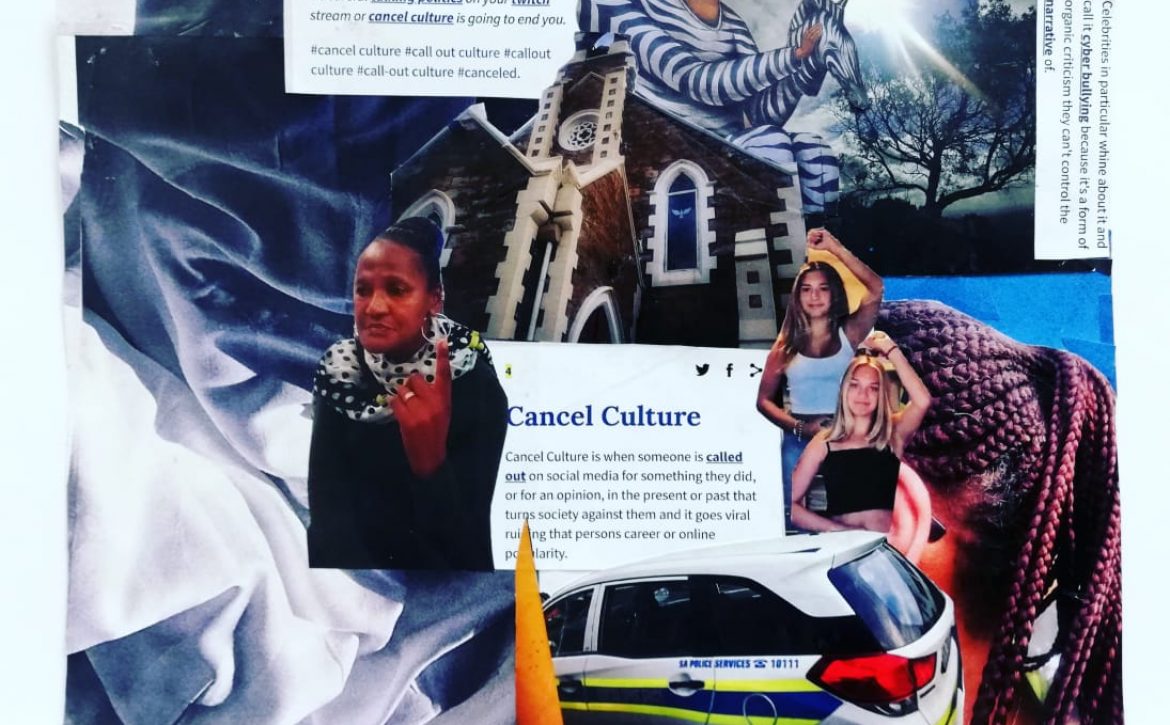
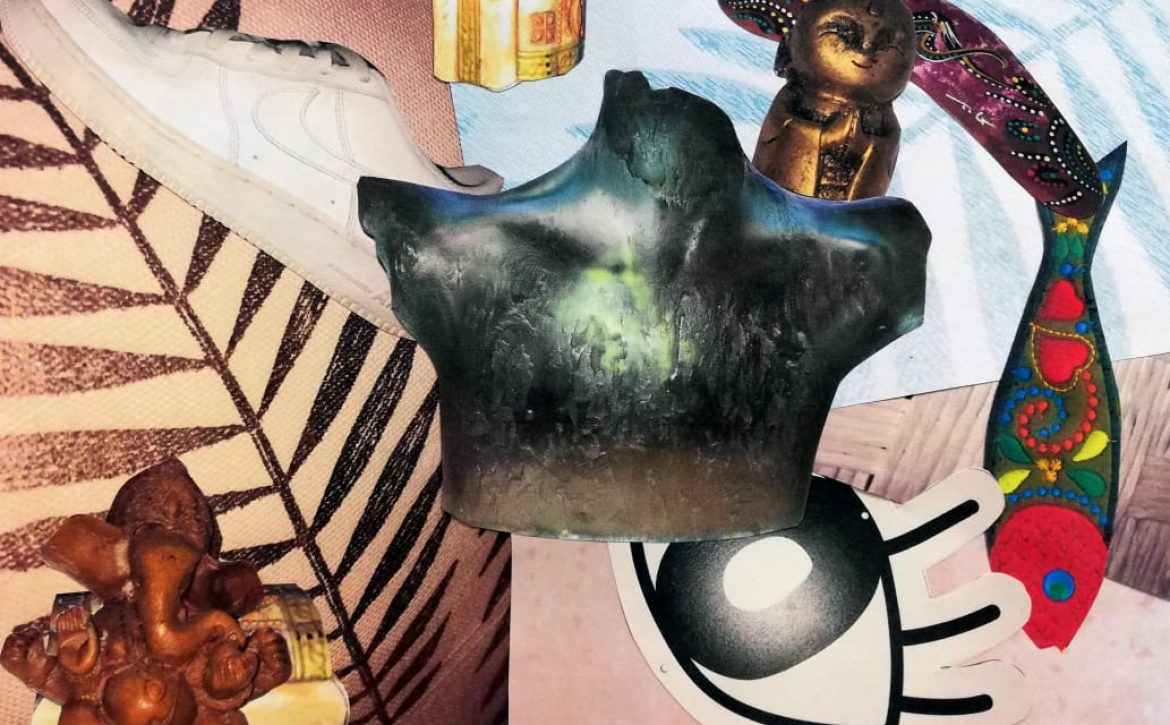
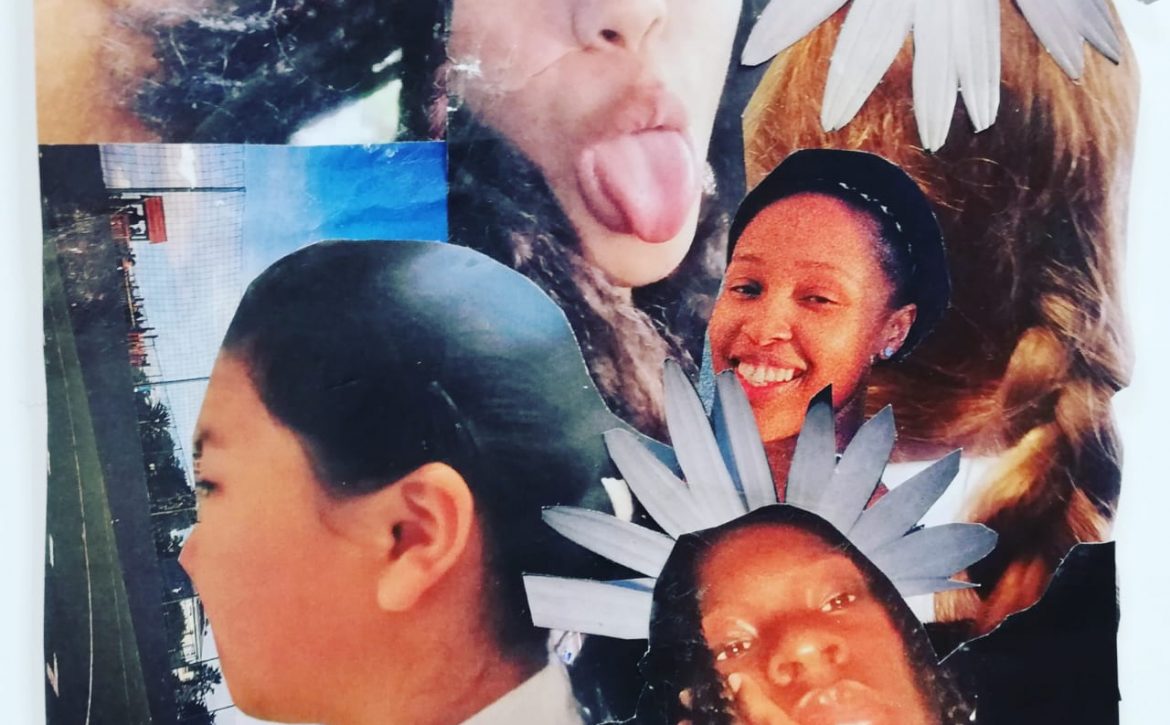
The Cambridge IGCSE Art & Design syllabus aims to encourage a personal response by stimulating imagination, sensitivity, conceptual thinking, powers of observation and analytical ability. Students gain confidence and enthusiasm as they develop technical skills in two and three dimensional form and composition, and are able to identify and solve problems in visual and tactile forms. They also learn how to develop ideas from initial attempts to final solutions. An ideal foundation for further study, Cambridge IGCSE Art & Design also develops a greater awareness of the role played by the visual arts in society and in history, broadening cultural horizons and individual experience.
The Cambridge International AS and A-Level Art and Design syllabus considers expression and communication. Students gain an understanding of visual perception and aesthetic experience, and the ways in which art and design creates a language of its own. Most of the work for this syllabus is practical or studio based, so that students can develop their abilities of observation and analysis of the visual world, sensitivity, skill, personal expression and imagination. They also learn how to relate their skills to an enhanced knowledge of their own cultures, past and present, as well as an appreciation of practical design problems.
Students are often asked to “think outside the box” in terms of problem solving. Art programs encourage novelty and nonlinear thinking, skills that can be used not only in academic settings but in the professional world as well.
Riaan Vosloo
High School Art Teacher


Australia in Year 3
‘G’day mate!’
This term, Year 3 are focusing on Australia in Geography and History! We are looking at their indigenous people, historical development and the differences between South Africa and Australia. This is a very exciting unit and the students have already started designing Aboriginal dot paintings and will also be delivering a poster and short oral on an Australian animal of their choice.
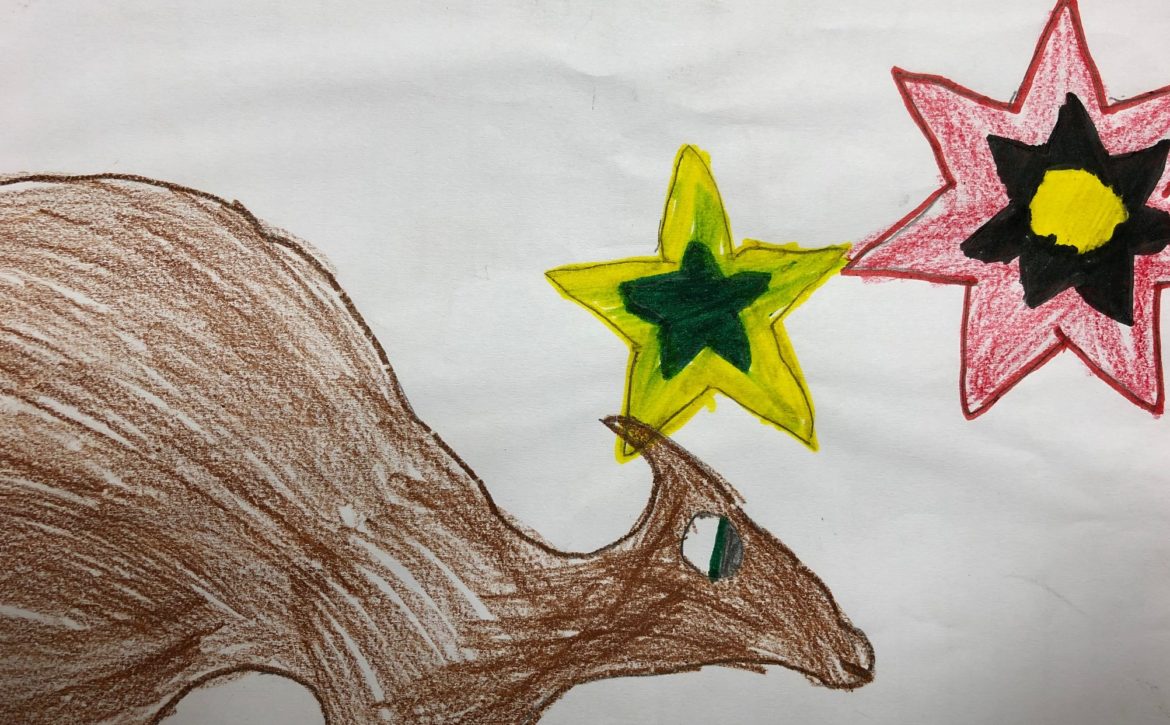
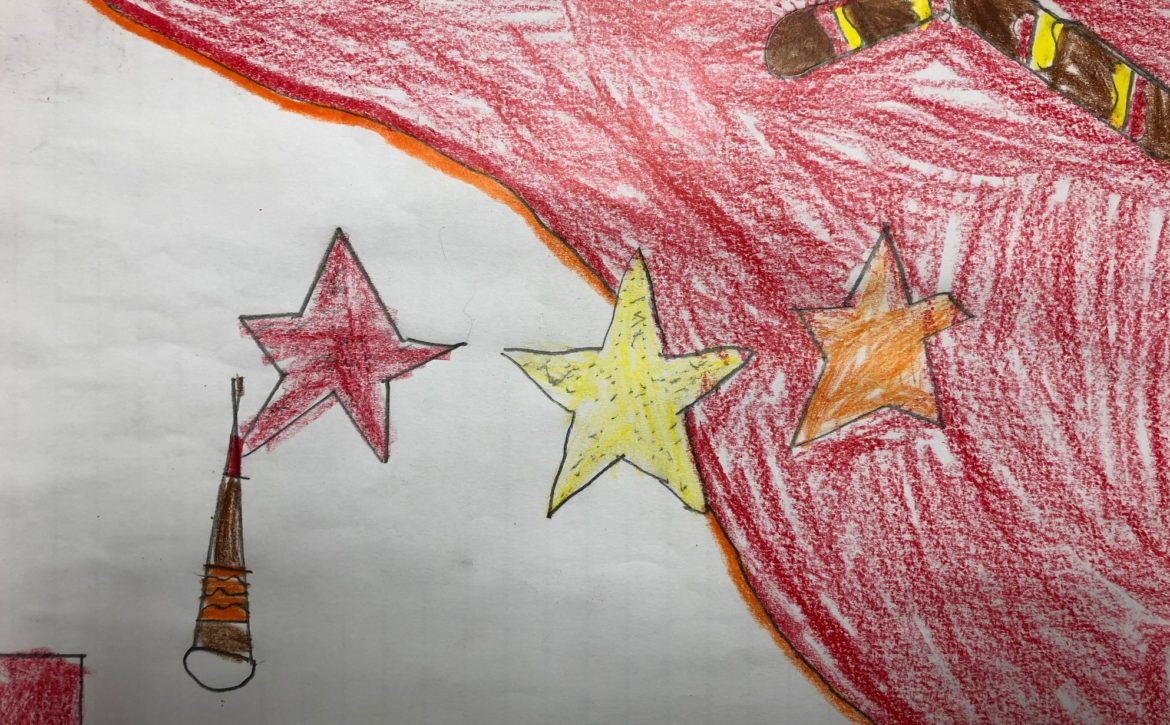
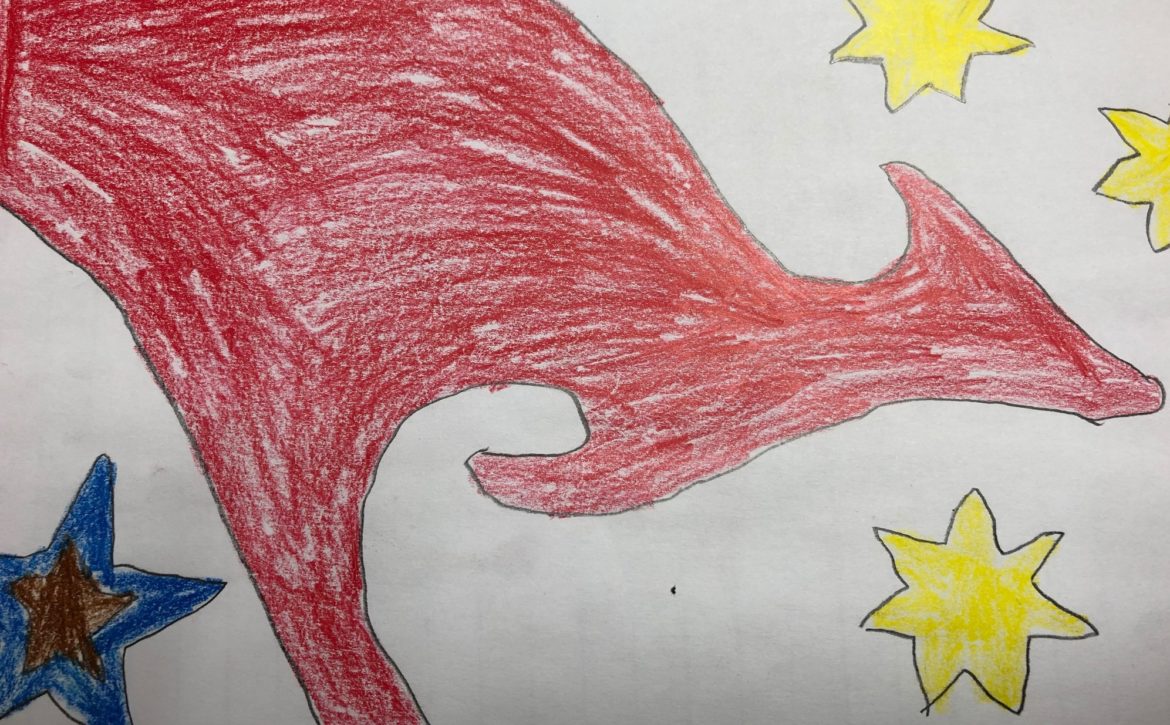
In the meantime, students have gone ahead and designed their very own Australian flag. They had to make particular use of significant elements in the current flag and Aboriginal flag and then combine these with their individual, creative flair. We then roped in another teacher to choose the top 5 designs and each student had a chance to ‘pitch’ and explain their designs to the class. The students had a democratic vote to choose their favorite flag and ended off by making a tally chart recording the results of the class vote.
Well done Year 3’s! Some very ‘ace’ Aussie designs indeed!
Mandy Goch
Year 3 Teacher
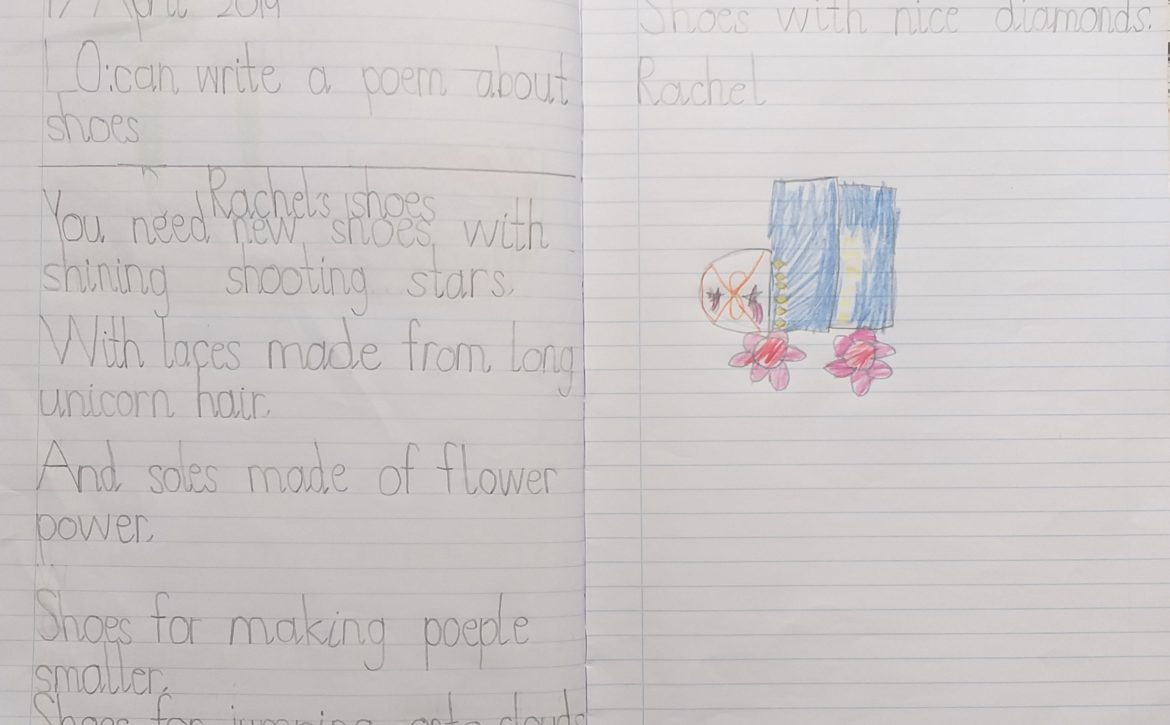
Playing with Poetry in Year 2
‘Roses are Red,
Violets are Blue,
Year 2’s made up poems,
All about shoes’
I recently read that poetry is an essential language tool for children. From a young age, children learn nursery rhymes, short poems and songs which most love to sing and perform actions along to.
“Poetry is essential for children because it is “the best words in the best order.” The rhythm and rhymes can help children develop a love for language—and a love of reading. Once kids begin flexing their writing muscles, poetry can spark their creativity and let their imaginations soar!”
J. Patrick Lewis
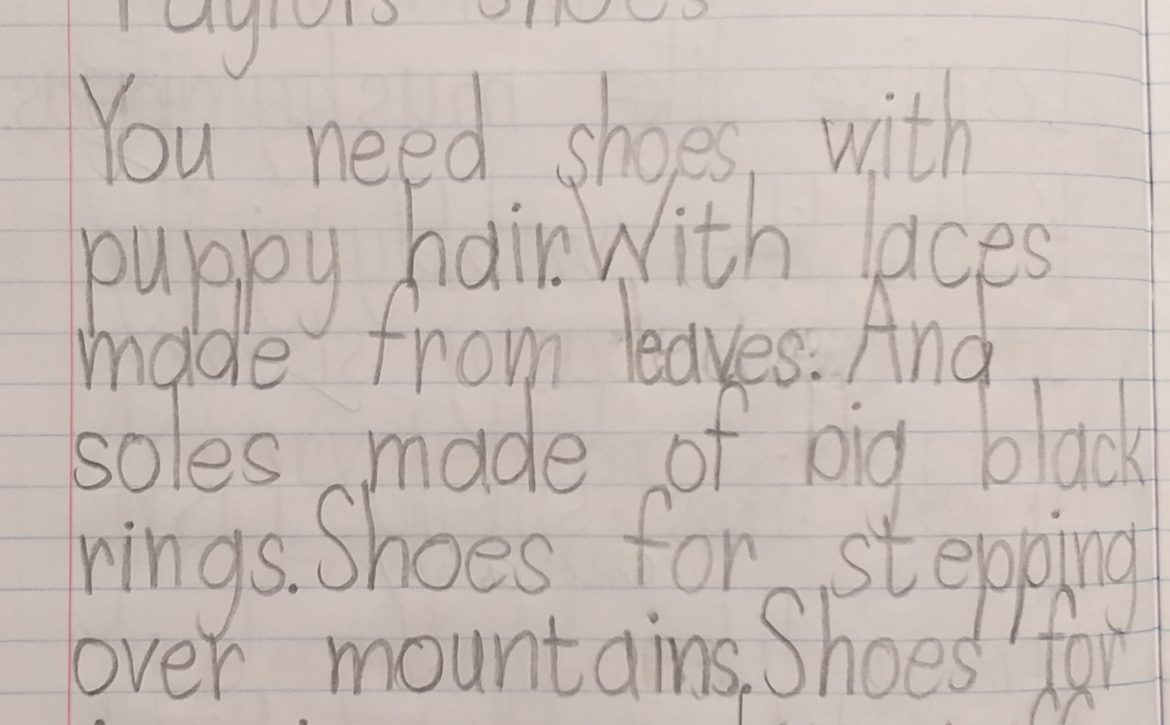
Last week, the Year 2s worked on creating their own poems about shoes. Children brought their favourite pair of shoes to class to speak about why that pair is their favourite. We reminded them about different adjectives – describing words that involve colour, size, and good or bad feelings. We were so impressed with what the children created!
Gillian Baker
Year 2 Teacher
Big words for growing minds
-What is an adjective?
In its simplest form, an adjective is a word which describes a noun or a pronoun. These are the words that, in essence, add the real joy and life to our every day speech. Without adjectives, literature and language would be rather boring and getting truly passionate or excited about something would be tough to express verbally or in written form.
-How do we teach?
Adjectives come in many different forms in the English language. It is important that parts of speech are re-taught every year as they help to mold our speech and language as we get older.
There are 5 steps that need to be taken in teaching basic adjectives to students.
- Define
- Identify
- Edit
- Apply
- Revise
Each step is crucial in the process and requires special attention.
Practice creative speech with your child and you will foster wildly developed communication skills in your little future world leader.
-Year 2’s get Creative in Assembly:
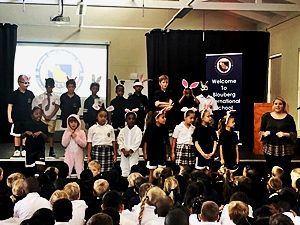
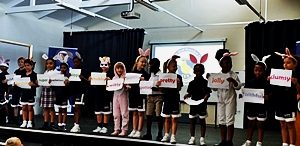
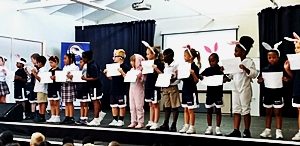
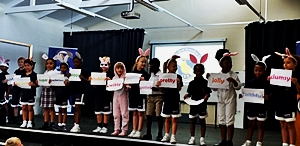
My Year 2 class presented a creative yet educational performance on Adjectives in our Junior school assembly. They began by singing a song about adjectives, using their bodies to show the actions that would mimic the words. They danced and sang as the audience watched intrigued by the combination of literacy and dance . The little ones in the front were loving it – not even realizing they were hearing and repeating various simple adjectives as they sang along. After the song they moved into a long front-facing line on stage, each holding up a piece of paper. All dressed as bunny rabbits they looked great, as the audience waited to find out what was going to happen next. They went on to describe their class’s favourite animal, with each child announcing one adjective describing a bunny as they went down the line. They were super! How great it is to learn about adjectives in such a fun way!
Ms Siobhan Hendry
Year 2 Teacher