

From the Principal’s Desk, 21 August 2020
Dear Parents
As I was looking back through the school calendar for 2020, I was reminded of all the events we have missed over the past few months. We missed the Interactive Curriculum Morning in April, a bi-annual event where parents participate in an interactive learning experience in the classroom. This was also the first year we did not have our Grandparents/Someone Special Day. No school photos were taken in July and the SRC of 2020 had little chance to enact any of the plans they campaigned for.
However, do not despair! We are not going to let the rest of the year pass by without enjoying some of our annual celebrations. Planning is underway for a special Valedictory service for our matric students and even though the matric dance cannot follow the traditional format, that does not mean we don’t have something exciting up our sleeves! We also launched our first Virtual Open Day last week and this week, our very first Virtual Talent Show! We look forward to many entries for this competition as we know how creative and talented our students are.
There is always something to be grateful for and always something to look forward to! Where there is no vision, people perish. Blouberg International staff, students and parents are not without hope, vision, or innovation.
To our matric and year 10 students who started their prelim examinations this week, we wish you all the best and success ahead.
I wish you all a wonderful weekend filled with family time and much laughter.
Kind regards
Edna
Read More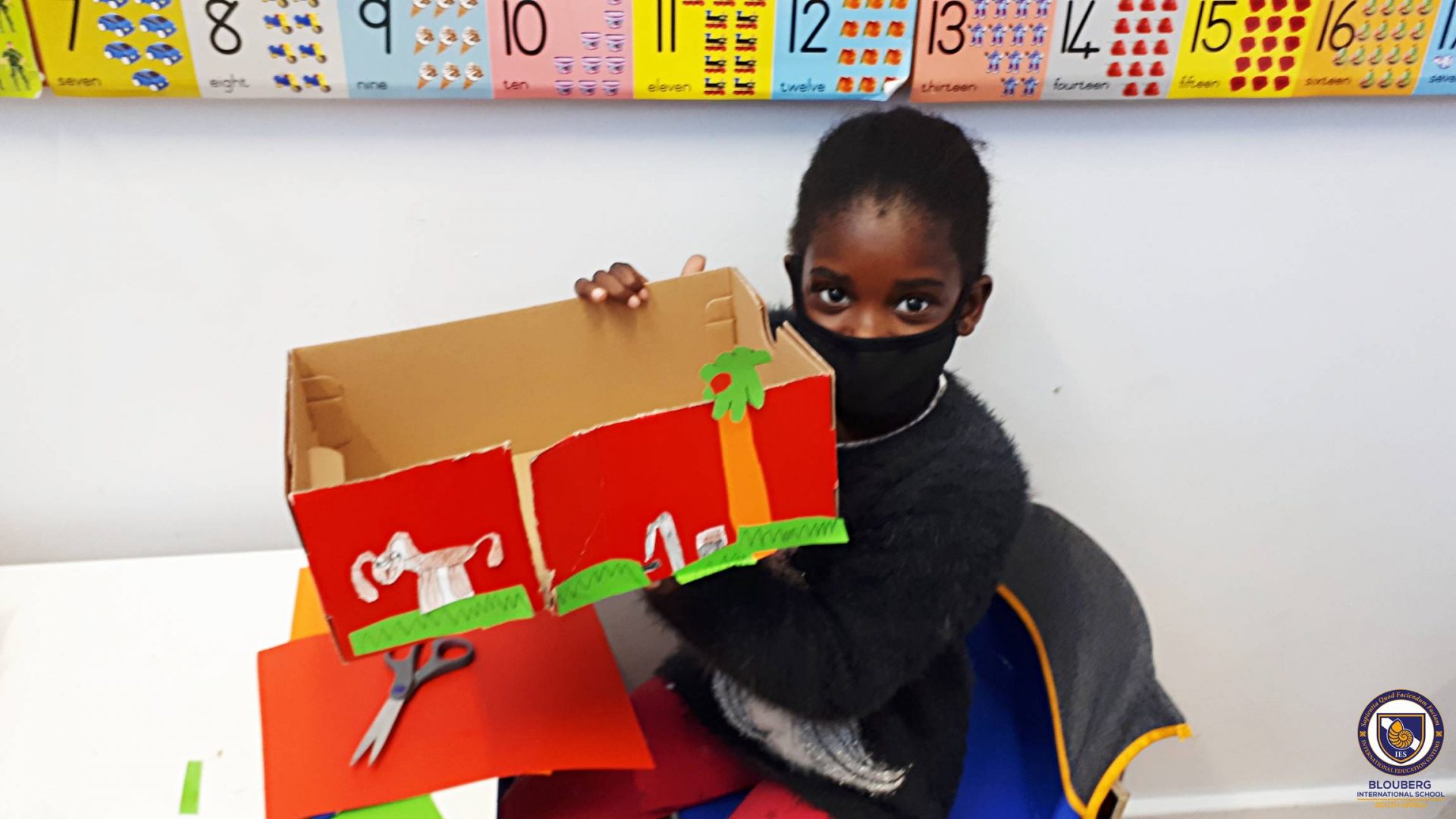
“Science is a way of thinking.” – C. Sagan
It was a treat to watch them draw pictures of their favourite animals, work out how to create their habitat and add in all the bits and bobs that they need to make an ideal environment for their animal.
They all came up with so many ideas, and were able to assist each other in ways that could encourage new designs. I saw them make cylinders, cubes and domes. I was super impressed.
They were all so proud of their accomplishments, and I am sure that we can all agree that we are proud of them too.
Wendy Menton
Year 1 Teacher


Pre-Reception – Wild Animal Safari
Our world is filled with a variety of plants and animals and it is important for children to know as much as possible about them. Information about animals helps children explore the world of animals. As children grow, they will be exposed to wild and domestic animals through books, television, zoos, wild animal parks or go on an actual safari. Knowing animal facts will make their experiences more profound and real, which will remain with them all through their lives and enrich their knowledge
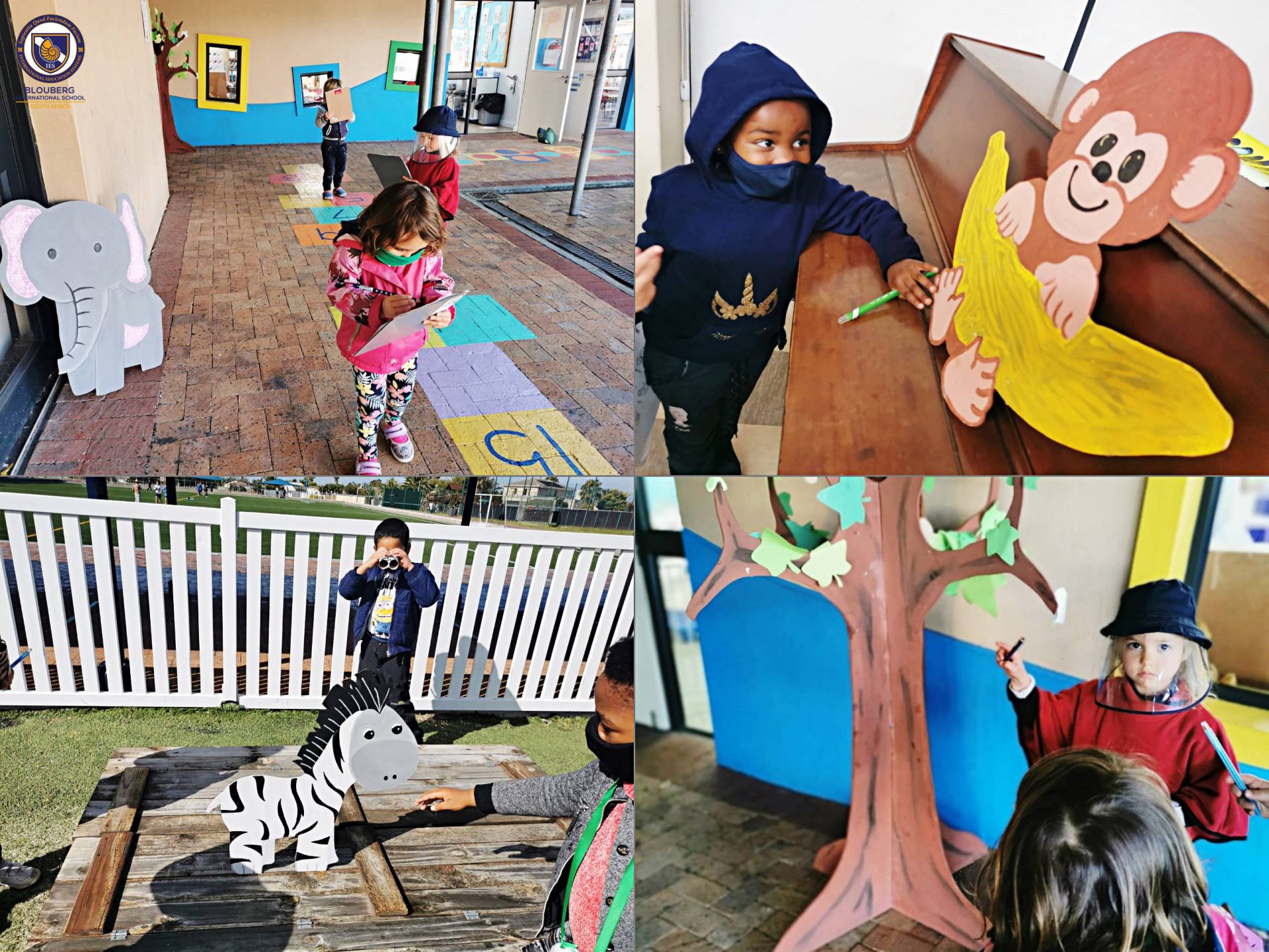
Pre-Reception students have been learning about wild animals. A fun approach, to teach the students to identify the different wild animals and to learn interesting facts about them, was to go on an adventurous Safari around the school. Unfortunately the weather did not play along so we had to keep it undercover and inside.
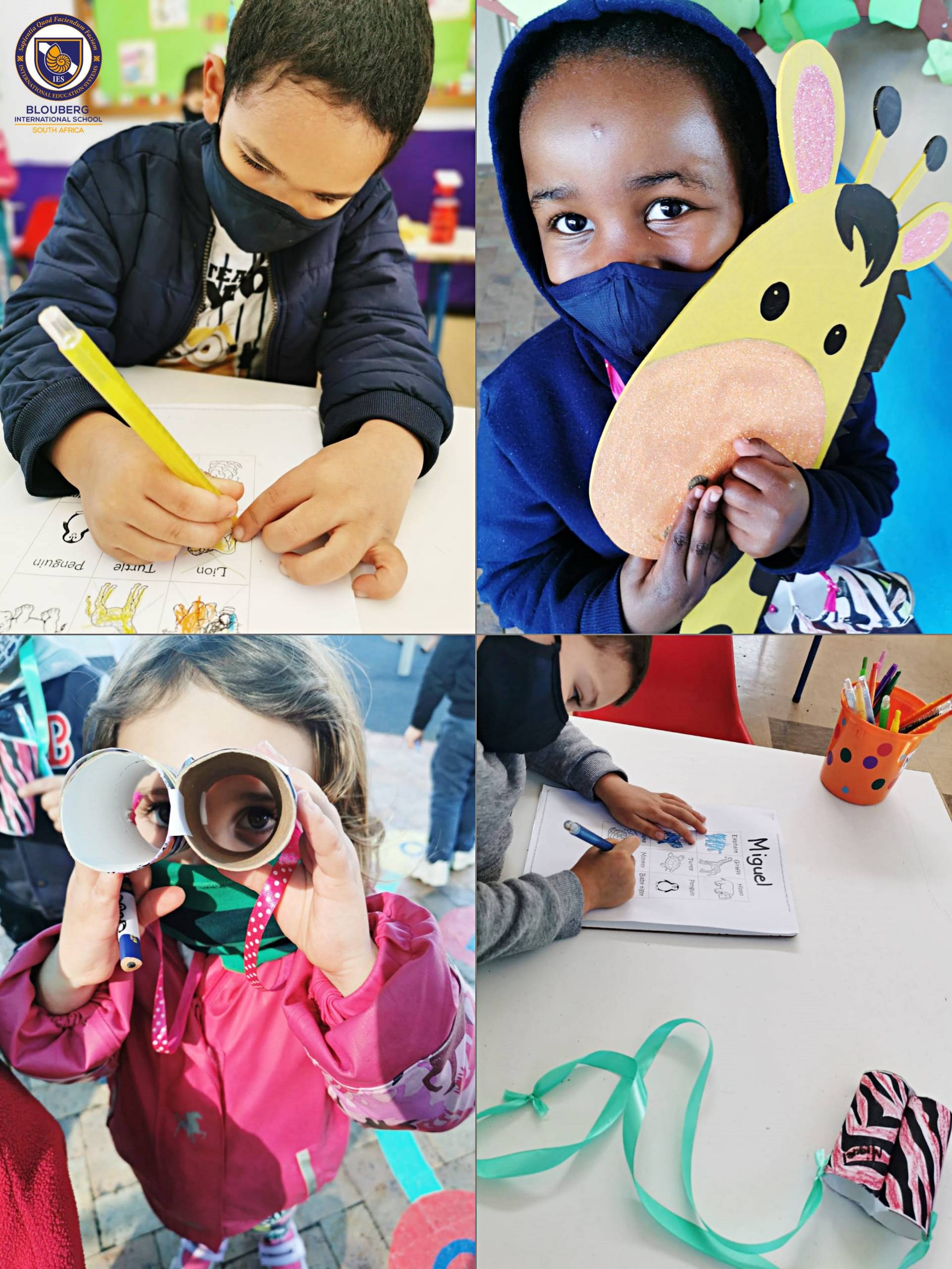
We placed wild animal cut outs around the classrooms and each child got a checklist which they had to tick off when they found the corresponding animal.
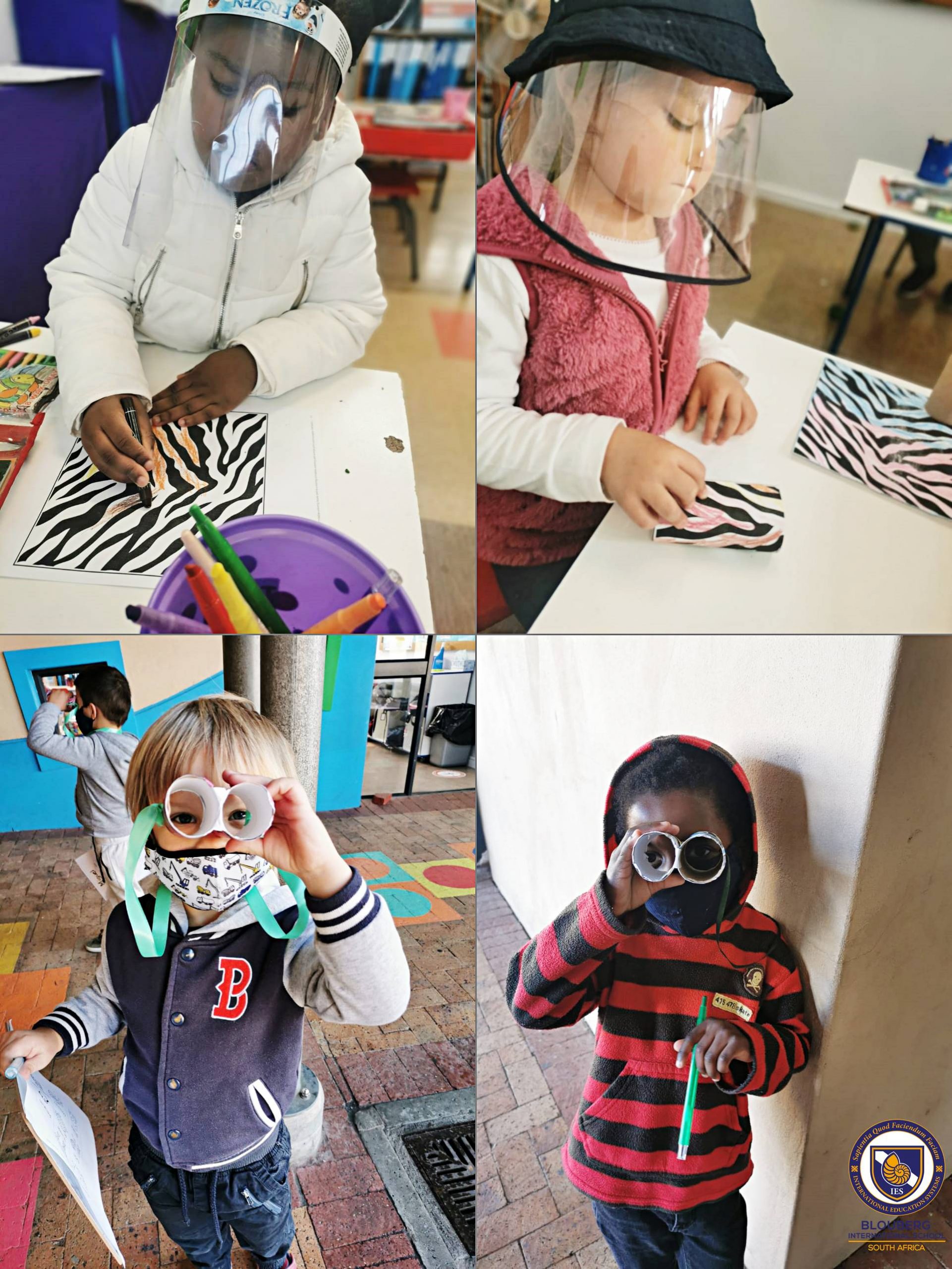
They enthusiastically set off with their binoculars they made in class the previous day out of toilet roll inners, to spot the animals in their habitat. Even though we could not go on an outing in these times, we made the best of the situation, much was learnt and fun was had.
- Elephants are the world’s largest mammals living on land.
- A giraffe has four stomachs, which speeds up the digestion process.
- A lion’s roar is so powerful, that it can be heard from eight kilometres away.
- The cheetah is the fastest animal to roam the earth.
- Tigers are excellent swimmers.
Cindy Nunan
Pre-Reception Teacher

The Science of Life
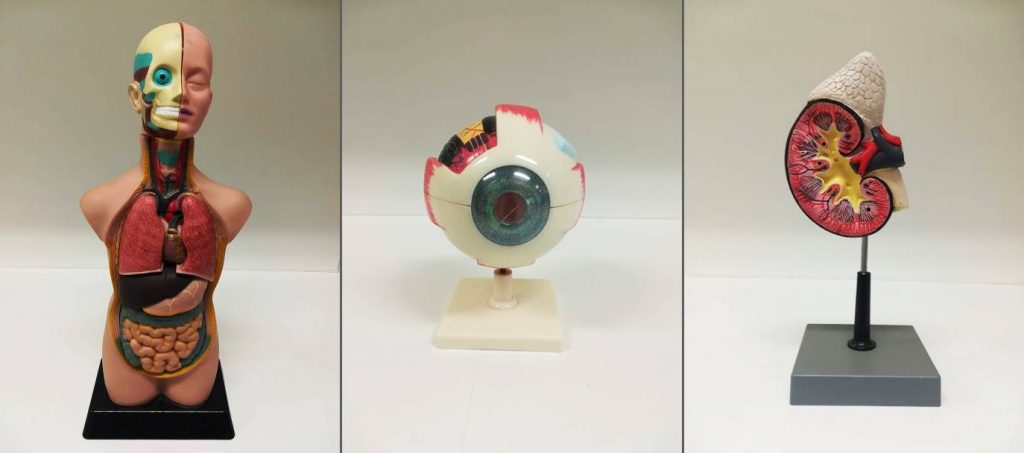
Biology is the study of living organisms, both in terms of their structure (anatomy) and how their different parts function (physiology). The cell is introduced as the basic unit of life, which then form tissues, organs, systems and ultimately an organism.
Biology can be divided into many different fields of study, such as biochemistry, genetics, microbiology and biotechnology to name but a few. Each of these directions delve deeper into the complexity of being alive. As a school subject Biology skims the surface on all these topics to provide a platform from which to launch for those interested in further studies at university level. It is important to understand how the different components of an organism function together as a whole. The intricacy of organs such as the heart or the eye is astounding and every part of these structures have a very specific and complementary purpose. Emphasis is placed on the practical application of Biology in the real world, from developing vaccines for infectious diseases, how gene therapy is able to provide hope to people with currently incurable conditions to understanding the impact of lifestyle choices on our health. Biology often overlaps with Chemistry as we investigate the chemical components of cells and study the equations of photosynthesis, respiration and the binding of gases to haemoglobin in blood. Mathematical calculations also make a regular appearance in Biology papers and is a necessary skill that students require.
Practical work is another important component of Biology as it gives students the opportunity to handle apparatus and chemicals, while conducting a scientific investigation based on work covered in class. Other skills developed are the ability to present the results obtained from practical work in a suitable table as well as reading and interpreting graphs. AS students begin preparation for their practical exam from Year 11 to ensure they have the necessary confidence and skills when the Cambridge exams arrive. The Year 12’s recently did a practical where they investigated the effect of different concentrations of an enzyme (catalase) on the breakdown of hydrogen peroxide. Filter paper discs were soaked in a solution containing catalase and then placed in a container with hydrogen peroxide. As the enzyme breaks down the peroxide it produces oxygen gas which causes the filter paper discs to rise to the surface. Students had to time the movement of the discs dipped in different concentrations of catalase.
Biology is a subject which provides countless career options, especially in the field of medicine or research. It is a diverse Science involved with finding answers to some of life’s most interesting questions. Despite the biological advances made over the years there are still many things to learn and discover.
Marlene Feltoe
Biology Teacher
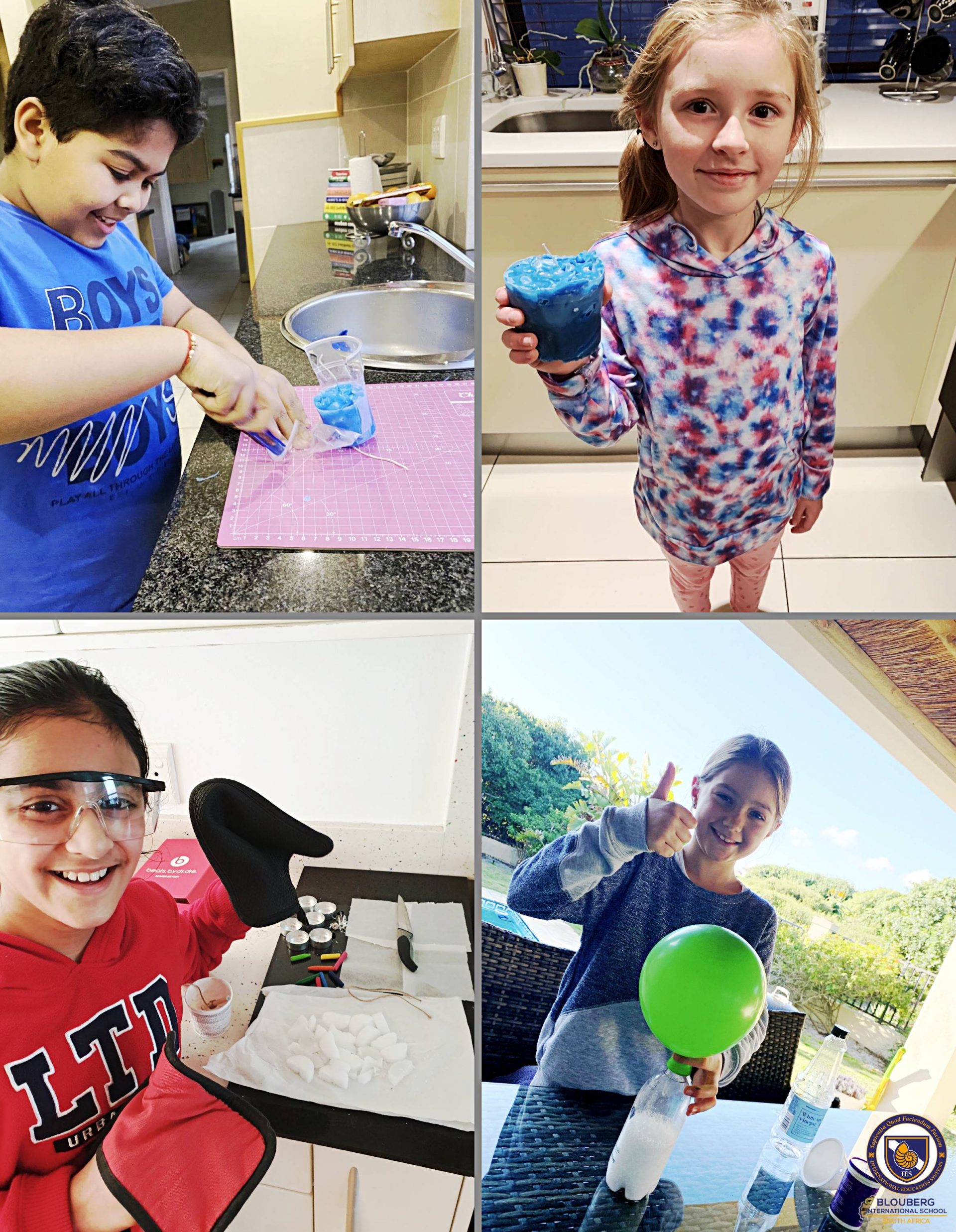
Let’s Light Up Year 4 With Science!
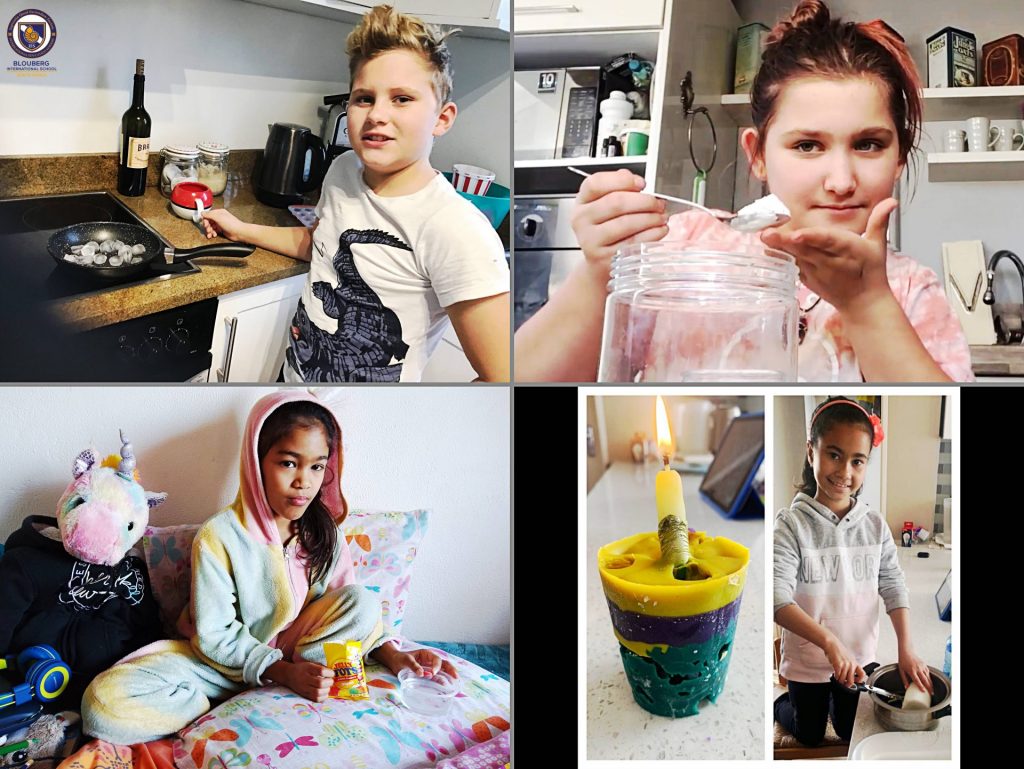
The Year 4’s spent the past few weeks learning about the spectacular Science topic: States of Matter.
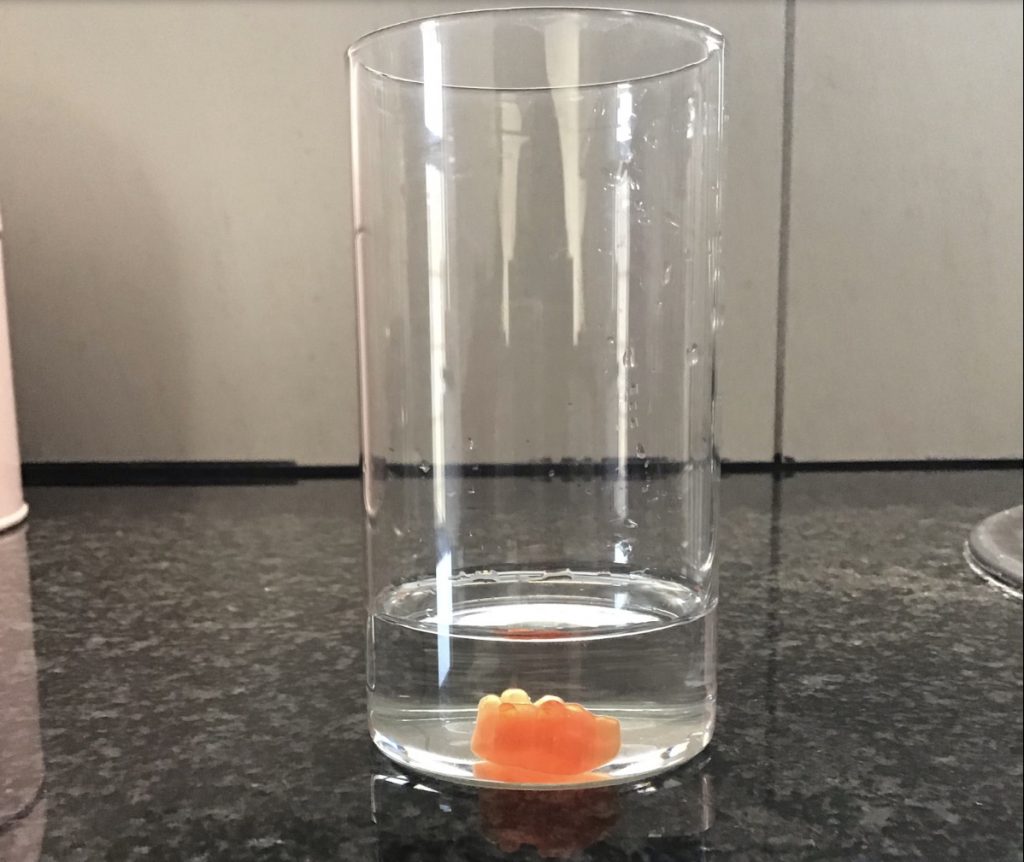
They learned about the different phases: solids, liquids and gases; and had to apply their knowledge with some very interesting practical activities. These investigations allowed them to observe matter changing from one phase to another; and they discovered various changes in matter properties such as colour, size, shape and texture.
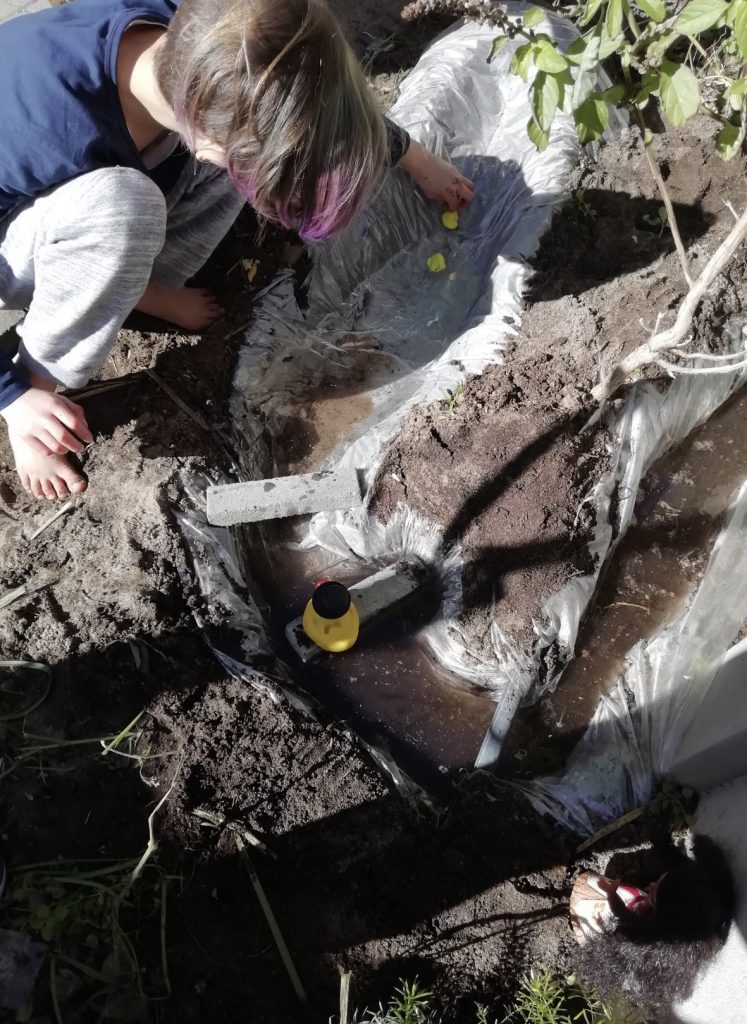
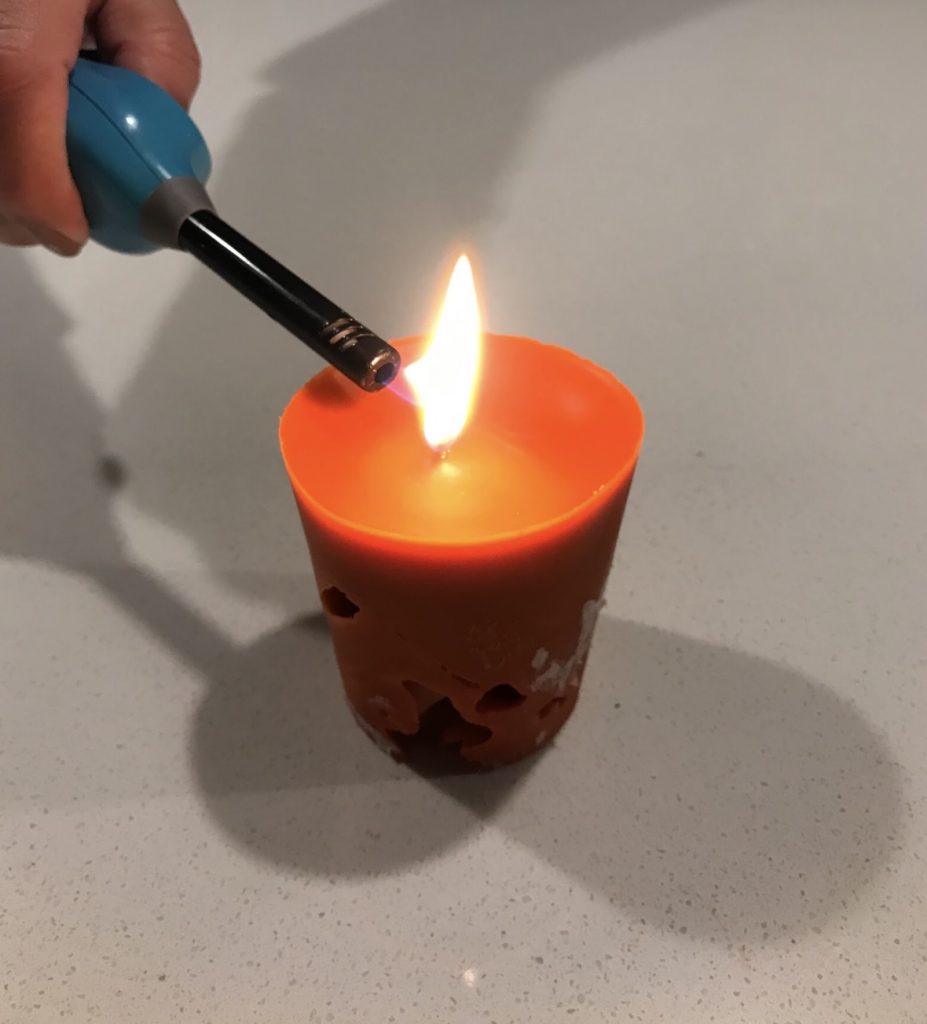
They built rivers, investigated growing Gummy Bears, made Ice Candles and Mystery Matter; and conducted numerous other exciting experiments.
Take a look at some of the fantastic photos that the students sent in. It is clear that they absolutely loved the “hands on” approach to learning.
A huge thank you to all the students that submitted photos of their marvelous experiments. We are so proud of you!
“Science is simply the word we use to describe a method of organizing our curiosity.” – Robert Frost
Year 4 Teacher


Measuring Fun
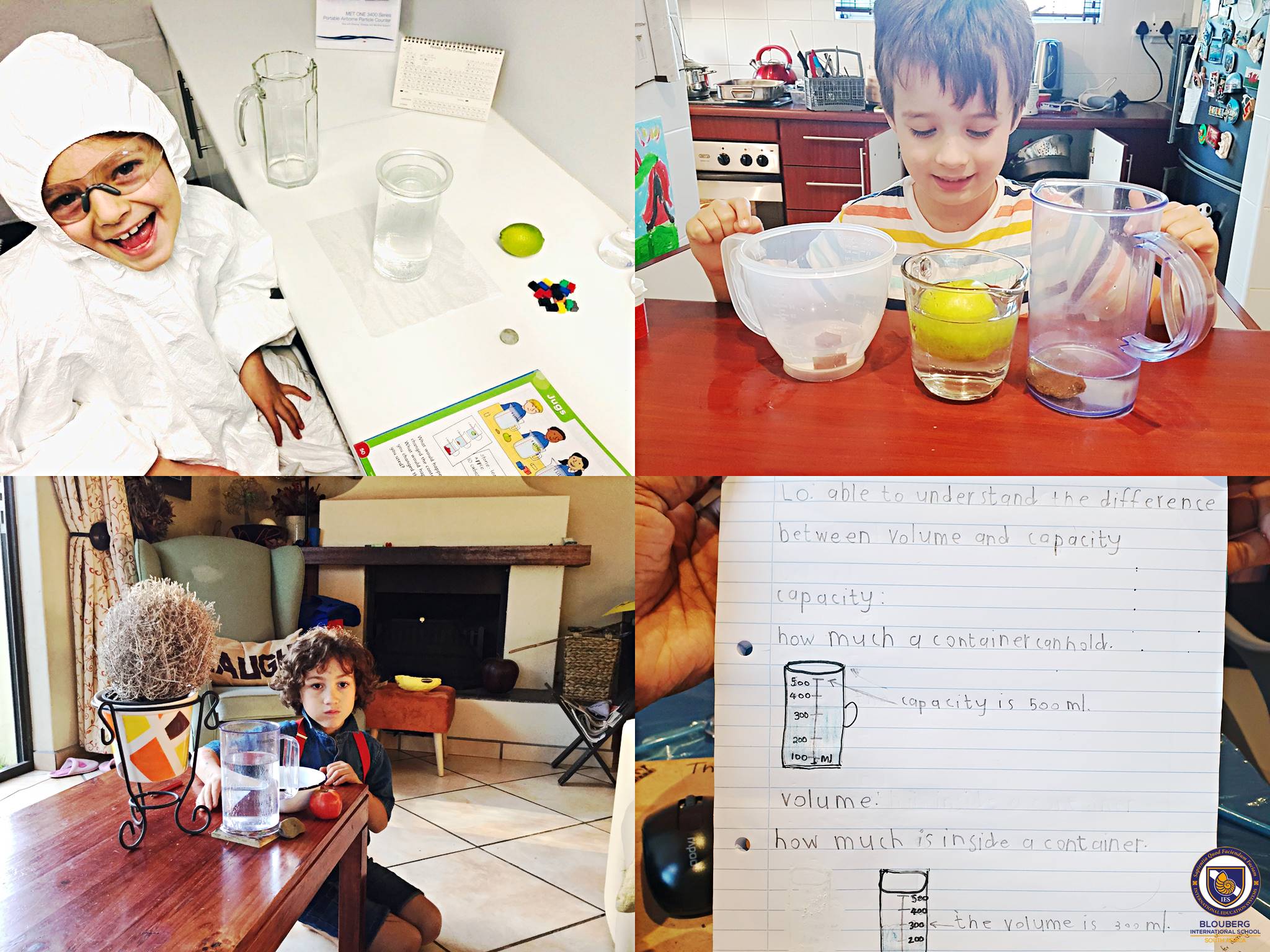
Learning Maths can be fantastic fun, as the Year 2 classes discovered this week.
We have been exploring volume and capacity and the difference between the two. In class we had some practical examples, experimenting with stones, Lego blocks, rice and water, in an attempt to identify which would float or sink. The students at home were asked to use items they have available to them to conduct experiments.
They had great fun predicting the outcomes of the different experiments. Some even remembered the Science topic about materials and could accurately predict the outcome and record their findings.
We are very proud of all our students for doing such great work!
Kim Coetzer
Year 2 Teacher


This Week In The Nursery
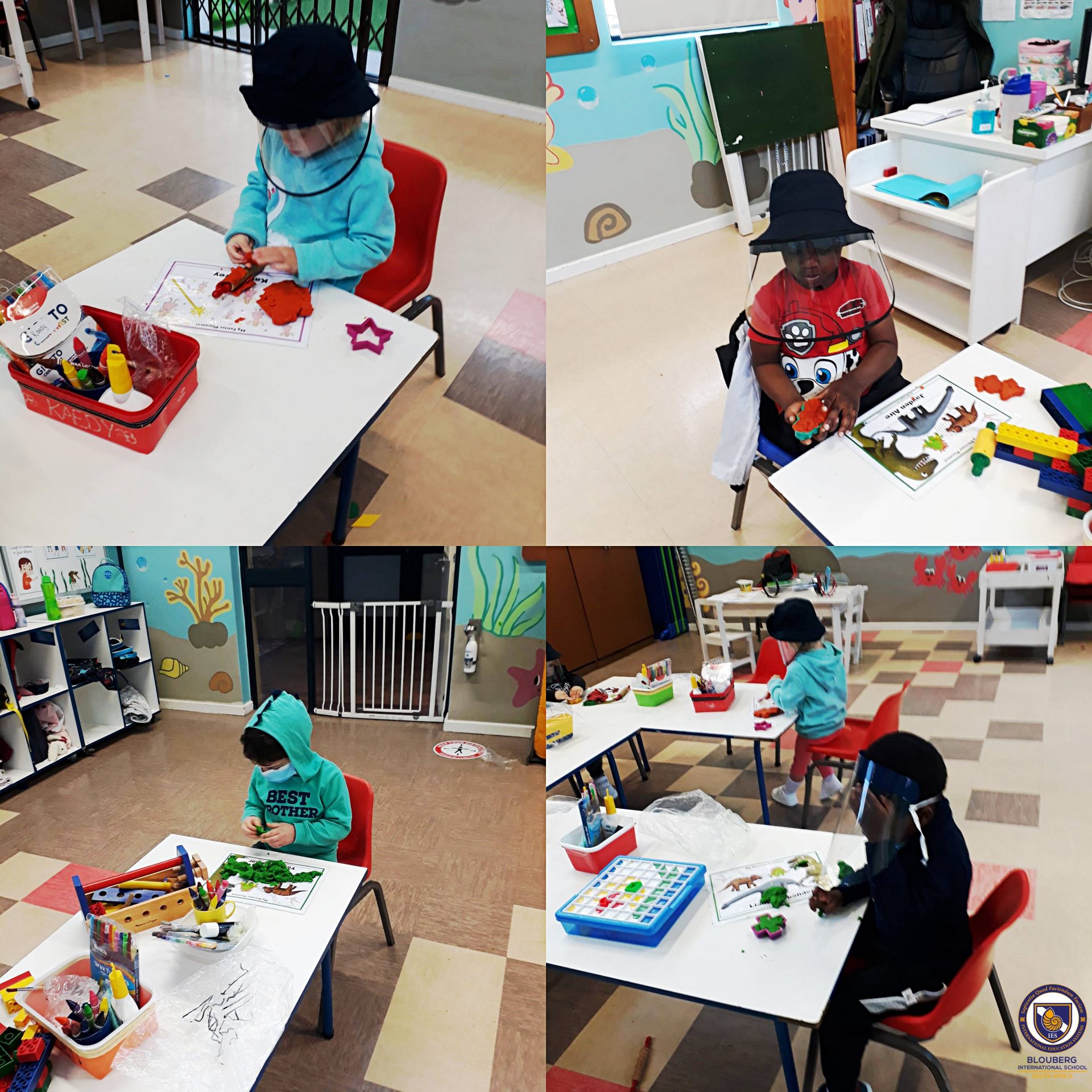
The Nursery students are having such a wonderful time discovering new things. They are getting used to sanitising their hands and learning to play alongside each other in a safe and fun way.
They have been learning about the colour red and learning about the Letter “A” from Jolly Phonics. My students sang the “A” song from our weekly Jolly Phonics lesson, followed by colouring in their ant. They really enjoyed the story that went along with it.
We have also focused on developing their fine motor muscles by manipulating play dough and making worms. Play dough is a fantastic sensory play tool.
We look forward to the next couple of weeks as we learn about more letters and colours.
Jacky Billings
Nursery Teacher
The Past Two Weeks In Pre-Reception
As we near the end of Term 2, the biggest challenge is to try and keep our students happy and occupied, without making their lives more stressful. The students know that something big is happening and they are not allowed to see their friends and teachers except for during our online Zoom class discussions.
During the past 2 weeks, our students have been very busy! We enjoyed learning more interesting facts about creepy crawlies; some took selfies in their school uniform; we had many Zoom meetings; we created our own insects for Art and others even drew pictures of all their friends at school.
The Pre-Reception classes have been learning about the letter ‘r’ in Literacy and they covered counting objects for Numeracy.
It is always wonderful to see our students and families share their experiences with us.
Martie van Dyk
Pre-Reception Teacher


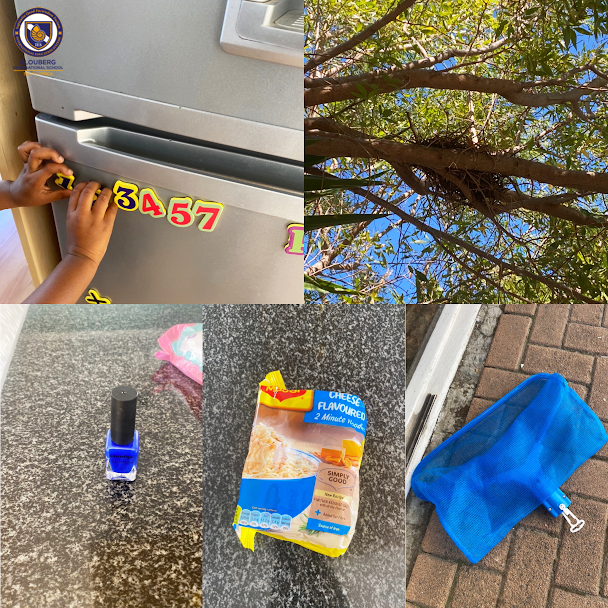
What We Are Learning In Pre-Reception
For the past two weeks, the Pre-Reception students have been learning about Fairy Tales & Pirates. They enjoyed creating works of art for this exciting theme. They also made maps and went on scavenger hunts to discover hidden treasure.
In Literacy, they learnt about the ‘i’ & ‘n’ sounds. They really enjoyed finding things around their houses starting with the sound of the week and diligently practised to write these sounds down.
In Numeracy, the focus was on ordering numbers, completing patterns and recognising shapes.
On the first Friday of the theme, students dressed up as Princesses and Pirates for our live session. So even though we were not at school they had fun dressing up and discussing their favourite Fairy Tales.
Over the next two weeks, Pre-Reception is leaning about Reptiles. So far, they have learnt about the differences between tortoises and turtles, crocodiles and alligators. Next week we will be concentrating on snakes, lizards and chameleons. The letter of the week is ‘c’ and next week ‘k’. In numeracy, we are learning about light and heavy objects with many fun activities in store.
I am very proud of my student’s hard work and enthusiasm during this time. Well done Pre-Reception!
See you later alligator!
Cindy Nunan
Pre-Reception Teacher


Living Life As An Artistic Being
Teenagers are at high risk for depression and anxiety. They know what we want to hear, and that is what they often give us. Teens know the buzzwords, and talking about their emotions can be wrongly impacted by their preconceived ideas about what they think we want to hear.
Teens who are good with words can use them as a disguise rather than a method of self-discovery. Furthermore, for other adolescents, discussing feelings may be frightening or uncomfortable. The creative process does not allow for that kind of manipulation to happen. Creative arts get teens out of their heads and into their bodies. The teen brain is wired for creativity. Consequently, creative expression is a natural fit to support thriving in adolescents. Creativity is part of building one’s identity. In addition, it supports brain development. Being creative even reduces anxiety. It makes us happier. Creativity and teen mental health go hand in hand.
The act of doing something creative employs various parts of the brain. That is why being creative enhances connectivity in the brain. Connectivity refers to the relationships between different areas of the brain. A study published in 2014 suggests that people with artistic training have improved connectivity between the two hemispheres of their brains. Creative arts, including music and visual art go beyond the rational mind, tapping into our most authentic self. Adolescents, in particular, are attracted to making symbols and graphic depictions. Therefore, they are more attracted to using art as language than to verbal questioning.”
Creativity help teens develop what is known as divergent thinking. Divergent thinking is a process of generating creative ideas by exploring many possible solutions. The creative experience produces a natural “high”. Simply viewing art and listening to music stimulates the brain to release dopamine, the “pleasure chemical”. This is the same chemical that is triggered when we fall in love.
Actively making art or music has a similar effect. In addition, it induces a state of flow, a term coined by psychologist Mihaly Csikszentmihalyi. This flow describes the experience of being completely absorbed in an activity. It means participating in a reality that is different from that of everyday life. As a result, experiences of flow are the key to sustainable happiness. Teenagers ascribe ‘happiness’ to their moods when they are able to engage in flow activities that stretch their skills and makes them feel alive and proud. Creativity, in particular, produces flow. Moreover, unplugged creative activities for teenagers offer both flow and a mini digital detox.
Creative arts prepares teens to be creative in other areas of life. It comes into play as teens learn new ways of relating to their past, present and new approaches to dealing with pain, trauma, or difficult relationships.
Riaan Vosloo
High School Art and Design Teacher