

Year 2 Science Experiment
“Science is simply the word we use to describe a method of organising our curiosity” – Tim Minchin
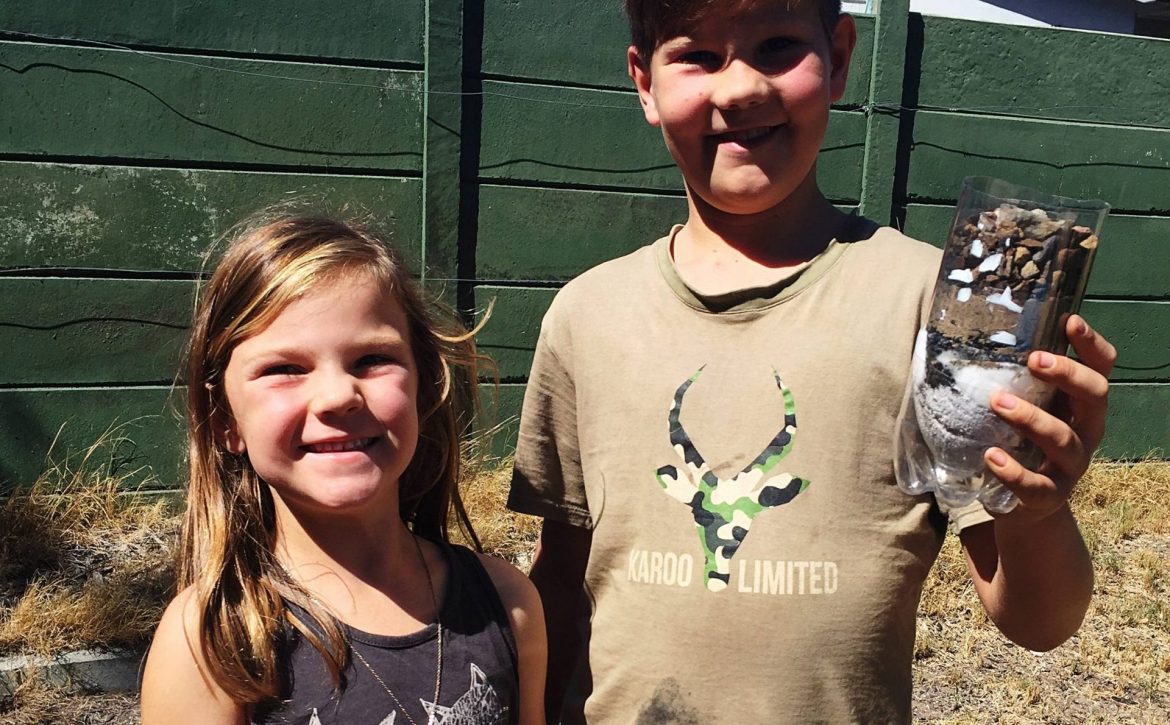
This week for science our Year 2 students were asked to do a fun home experiment on Dissolving Matter. The test was to see which out of the given products would dissolve in a cup of water. Each child was given a worksheet where they could state their prediction of the probability of the product dissolving in the water, and also where they could record their findings after testing each. At least 5 or 6 cups of water was needed, placing each product in one cup at a time and stirring thoroughly. Some of the products used included salt, coffee, hot chocolate, soap, cooking oil, sugar and chalk. This is an exciting and fun way to watch as the product either sinks to the bottom, rises to the top or dissolves into the water completely. The important part is to watch and record as you’re going to make sure you’ve learned from your experiment and are able to ask more questions that will lead you to the next one.
Curiosity and discovery go great together. Much fun was had by all!
Siobhan Hendry
Year 2 Teacher


Week 4 In Foundation Stage

What an exciting week of learning in Pre-Reception and Reception!
In Pre-Reception the little students have been working on ordering numbers from 1 to 10 in Numeracy, and in Literacy they have been exploring the letter “i”.
In Reception they have been learning the letter sounds and how to blend them together into words. In Numeracy they have been experimenting with addition sums.
The theme for the week, Fairy Tales, inspired some amazing works of art and on Friday the students will have a dress up for their online class meeting.
We cant wait to see what next week brings for our Foundation Stage classes.
Bronwen Nuthall
Reception Teacher


Let’s Get Covered In Glitter
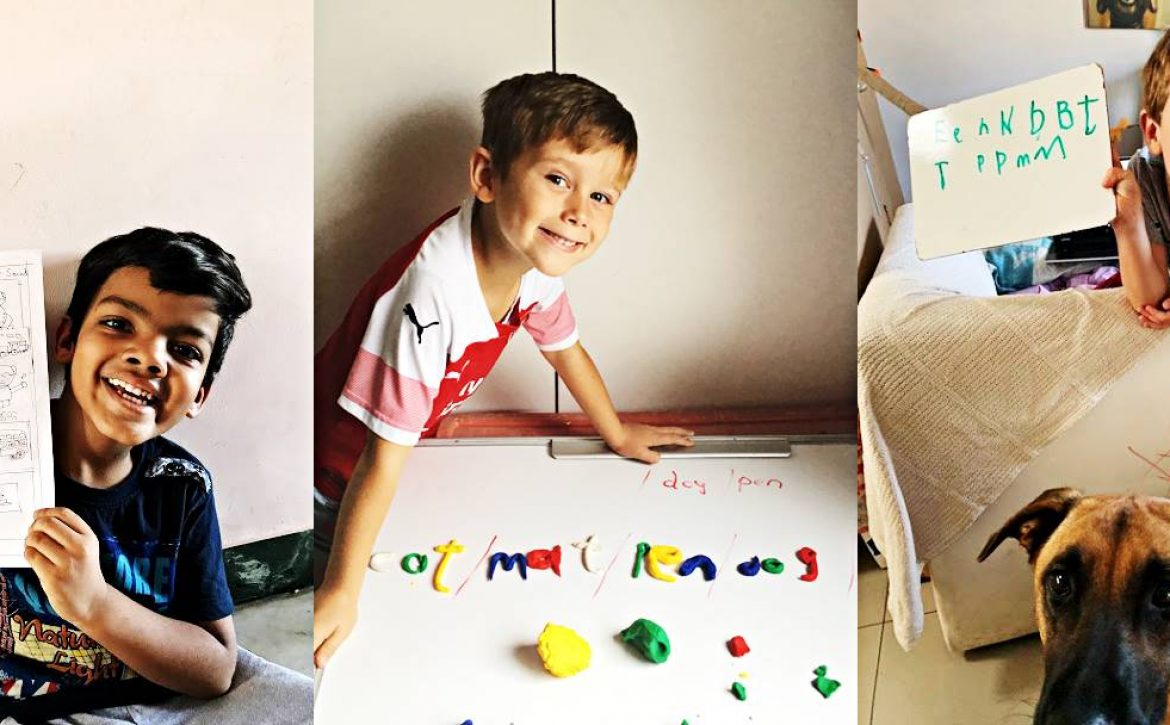
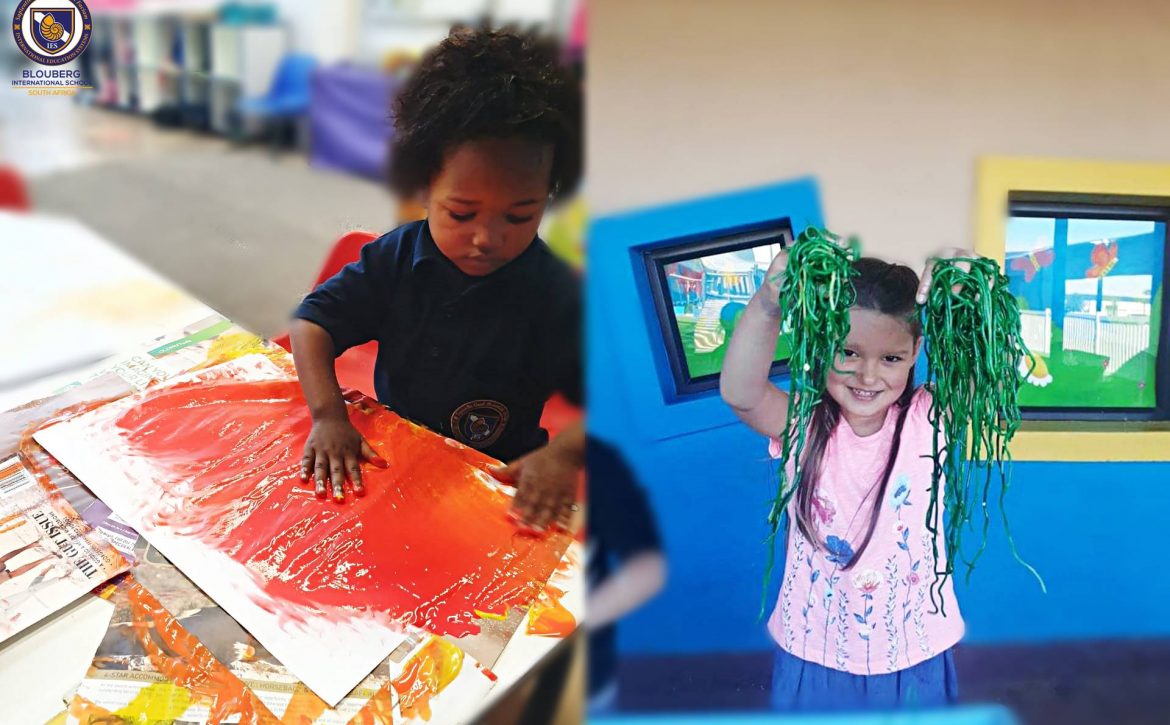
In the Foundation Stage classrooms, it is all about practical learning, the students experiencing and exploring. We focus a lot on sensory play, fine motor development and generally just making a mess (because if you are not covered in glitter or paint, it wasn’t a successful day).
This is why online learning is a challenge, not only for the teachers, who want the little ones to keep learning and exploring, but also for the parents and students. It is also for all of those reasons why we as teachers are immensely proud of our students and so grateful to have such wonderful parents who are so supportive and encouraging. Not only has the little ones kept their sense of wonder and excitement during this challenging time, they have participated in all the activities with big smiles. As a teacher it is wonderful to get photos or videos of your students working so beautifully at home.
As a Foundation Stage teacher (who cannot wait to get back to being covered in glitter and paint) I would like to thank all our parents for helping us make this a fun and interesting learning journey for our students.
Monique Crawley
Reception Year Teacher
A New Adventure With Online Learning
“The only way to make sense out of change is to plunge into it, move with it, and join the dance.” – Alan Watts
The Year 3 students have tackled learning from home with great eagerness, bravery and enthusiasm. There were a few expected hiccups along the way, and it has taken a few days for students, parents and teachers to adapt to this different style of learning. However, this is a wonderful opportunity for all to truly discover what they are capable of and to challenge themselves.
Our aim in Year 3 is to try and get the students to complete all tasks as independently as possible. We have tried to achieve this by simplifying the tasks, making it interactive and structuring the lessons in a clear and concise manner.
We do realise that our Year 3 parents are also lending their children a hand in helping them to understand exactly what to do and aiding the students to achieve their true potential, despite having their own work to complete from home. Thank you parents – you are truly appreciated!
This past week our Year 3’s have engaged in several exciting activities such as designing and creating their very own frame out of foil, conducting a cloud experiment and creating a food groups display.
We are so proud of all of you and can’t wait to see you back at school.
Alexia Holmes
Year 3 Teacher
Let Them Play!
As we face the COVID-19 pandemic, we are all confronted with uncertainty. Research tells us that uncertainty increases anxiety and worry in both children and adults. We cannot remove much of the uncertainty we currently face, but what we can do is look for opportunities to feel some certainty and control. For this reason, following a normal routine and having some structure to the day is likely to be useful for kids and parents.
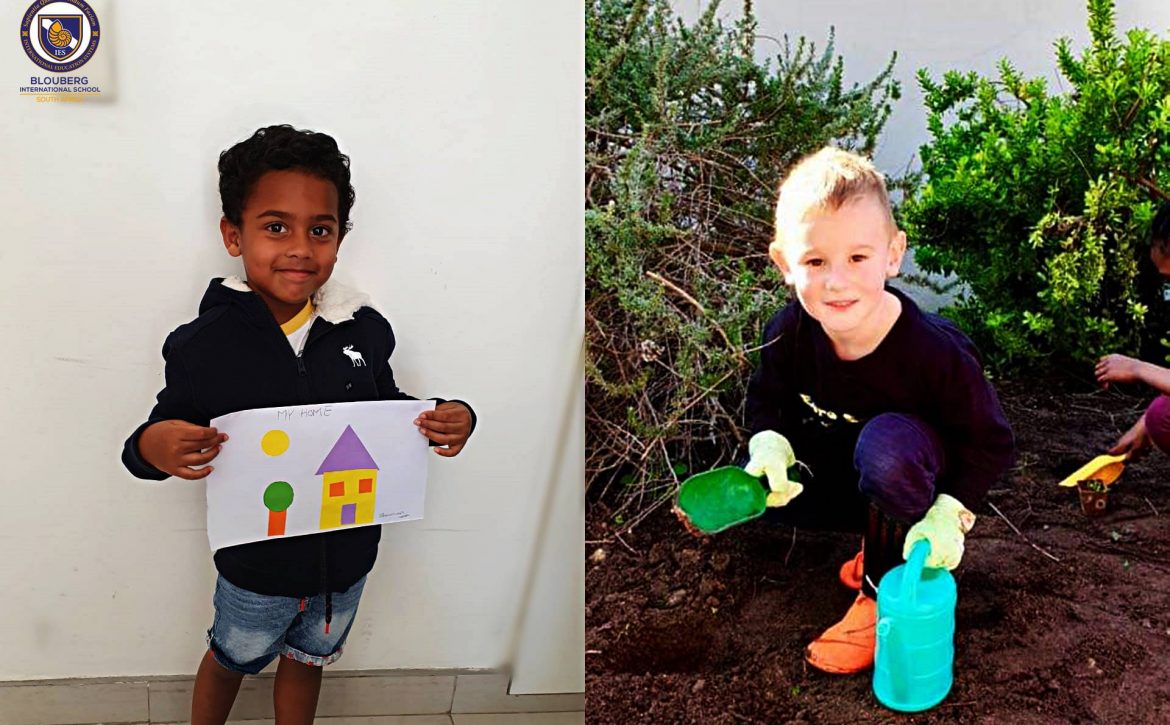
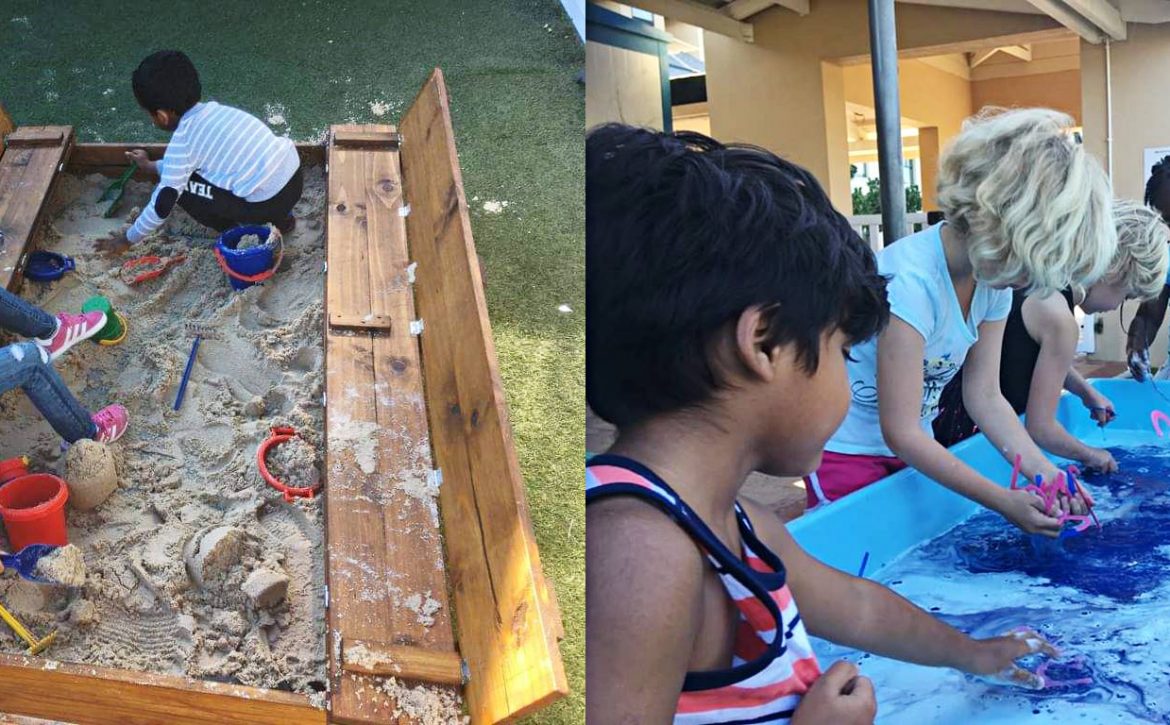
Attempting to school children at home puts pressure on parents at a time when anxiety is high. This is not helpful for them or their children. An alternative is to let the children play at certain times. The benefits of play are ranging. When children have more opportunities for play, they have better physical and mental health. It significantly decreases their stress levels, and more importantly it facilitates learning. Examples of play activities include building dens, dressing up, play dough or sensory play.
What is sensory play?
Sensory play includes any activity that stimulates a young child’s sense of touch, smell, taste, sight and hearing, as well as anything which engages movement and balance. Sensory play is not video games and TV. We use our sight and our hearing for those activities but sensory play involves actively engaging the senses to discover and explore the world around us.
Some examples of sensory play:
Sensory play for toddlers– observing light and shadow created by torch light on objects of different sizes, or watching colours mix and the patterns formed by finger painting.
Sensory play for pre-school aged children- creating shapes and playing with sand, or playing with musical instruments and listening to the tone and pitch as they strike or blow through instruments softly or forcefully.
The benefits of sensory play:
Many well-known early years pioneers such as Montessori, Froebel and Goldschmid recognised the importance of sensory play as a fundamental experience for a child’s growth and development. Such benefits include:
- Experimentation skills and recognition of the sense used during the exploration of different items.
- Attention and concentration by focusing on the given stimuli, such as exploring a light box or torches with coloured cellophane.
- Increased hand/eye co-ordination and both gross and fine motor skills.
A lack of sensory play leads to the brain not getting accurate information about its surroundings. As the child gets older, experts typically refer to this as a sensory processing disorder. A lack of sensory play may lead to a child with anxiety and poor coordination. It can also lead to difficulty learning and paying attention. It’s important to give the child ample practice in all the senses.
That is why its best to let them play!
Martie van Dyk
Reception Year Teacher

Virtual Orbit – E-learning Launch in Year 4
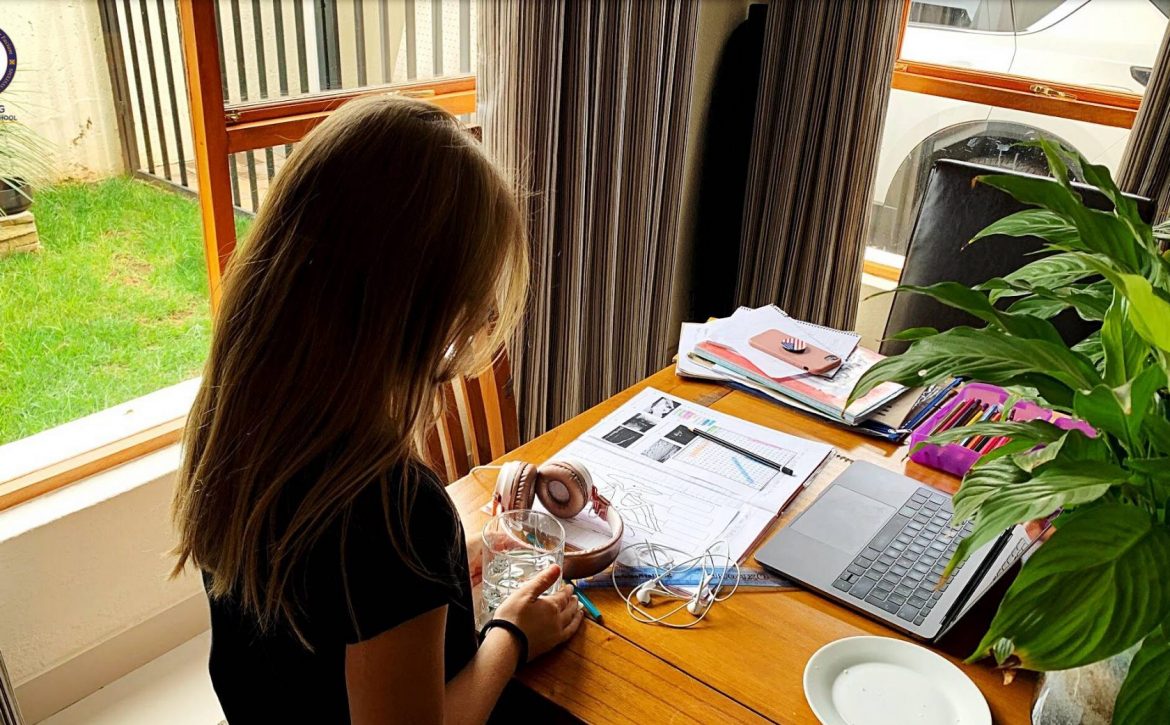
The year 4 classes started the second term launched into virtual orbit. We have all had to learn how to navigate Google Classroom, when to talk and when to be quiet in a Google meeting and how to upload and mark completed work.
I am so proud of how our students have owned their own learning. Cambridge education emphasises the development of students who can think, solve problems and actively take responsibility for their own learning. We must be doing something right, for this is what I saw over and over again today.
What absolute stars our students are. Thank you to the parents too, for making launching such fun. I look forward to tomorrow and the rest of the adventure online.
Carey Schoots
Year Teacher


Two Oceans Aquarium Outing 2020 – High School
On Tuesday the 10th of March the year 9 to 12 Biology and Business students, together with the 9 and 10 Geography students, visited the Two Oceans Aquarium.
Among the most interesting things that were discovered was that fish have their own personalities, such as the fish that loves cuddles! About Yoshi the turtle who was released back into the wild 2 years ago after 20 years in captivity and has since traveled a record breaking 37 000km!
We learned how the marketing team at the aquarium aim to not only promote the aquarium to attract customers, but also how they use this platform to communicate about causes that are close to their heart. A few causes they mentioned were sustainable fishing, single use plastic and environmental sustainability.
Another interesting fact is that South Africa ranks as the 3rd most bio-diverse country in the world.
The Two Oceans Aquarium is truly a magical place with so many treasures to enjoy!


It’s Cloudy In Year 3!
Clouds
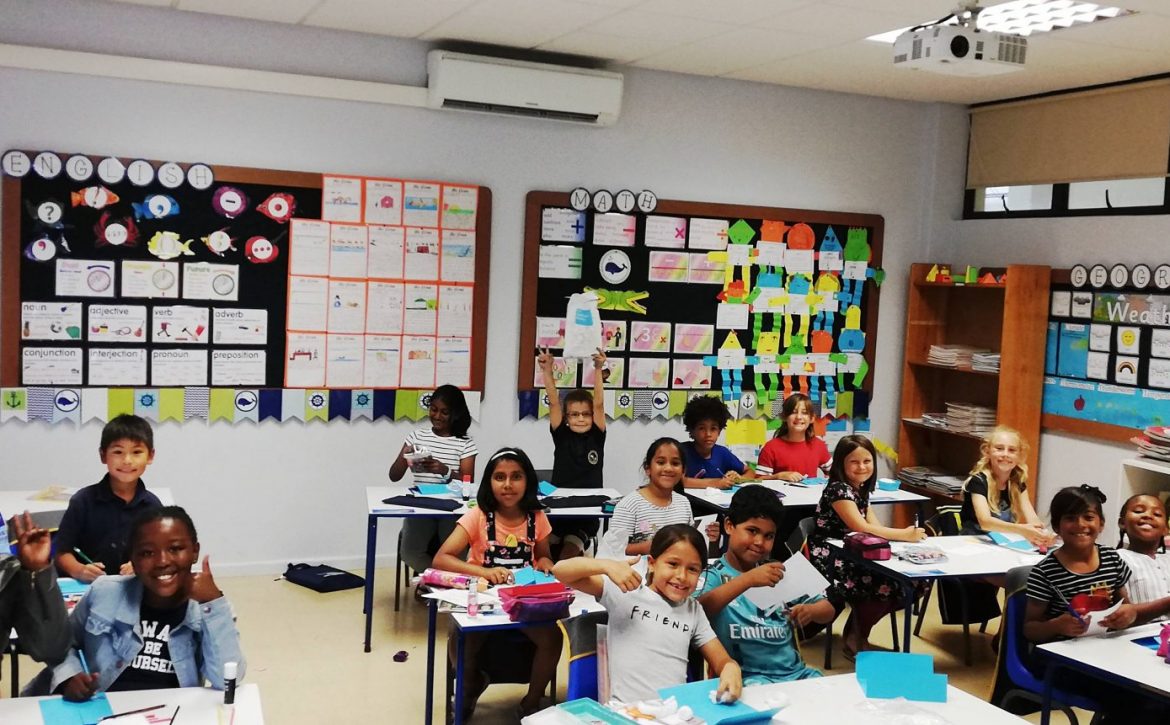
The students presented their clouds and shared their favorite type of cloud with the class. Learning about the different types of clouds through art was exciting.
What is your favourite type of cloud?



Chemistry
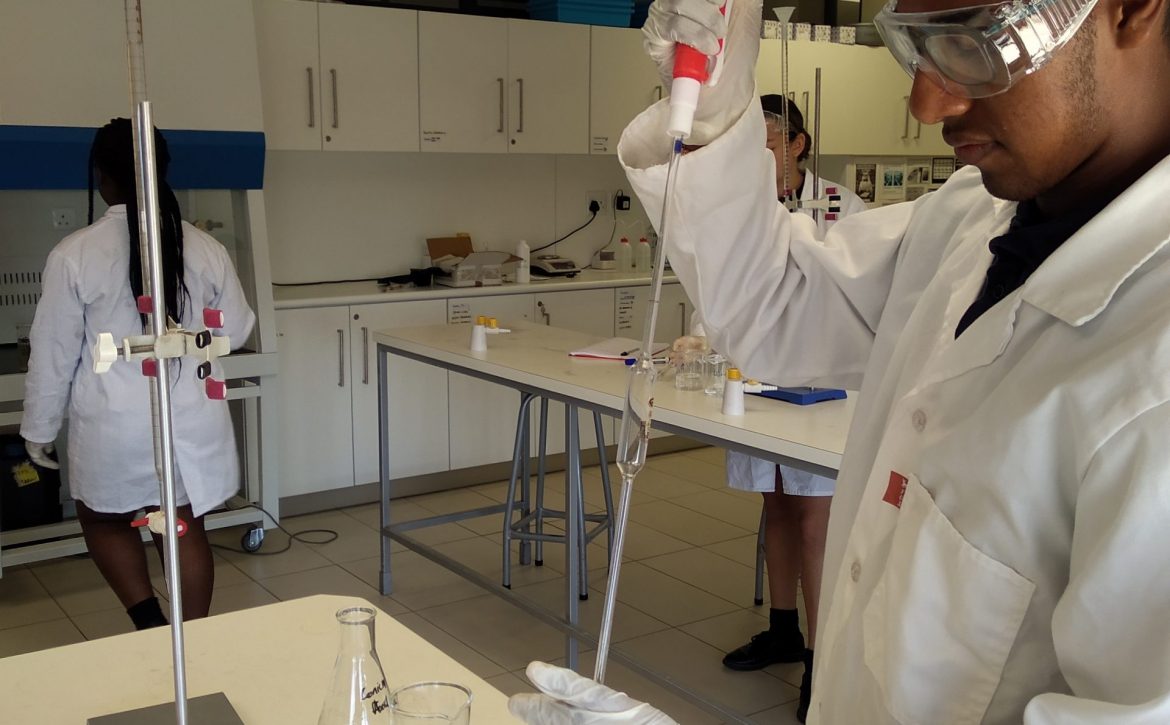
Chemistry at Blouberg International School is experiential and hands-on; students conduct experiments, research ideas and work together in order to understand the world around them.
In simplified terms, the science of chemistry deals with the properties, composition, and structure of substances and how these substances interact with one another. In the IGCSE, AS and A-level chemistry curricula, topics of study are divided into three broad categories: physical chemistry, inorganic chemistry and organic chemistry. In each category students learn about chemical theories and processes that are relevant to their lives and to the challenges faced in the world around us.
A strong emphasis is placed on how past and current chemical processes affect the environment and the lives of others. We have had many lively classroom debates about alternative sources of energy, agriculture and the use of fertilizers, food security and transport. The Cambridge curriculum allows students to be exposed to scientific applications on a global level – illustrating how countries around the world have approached these issues and found possible sustainable solutions. Our classroom discussions have also focused on solutions for the African and South African context: identifying our unique resources and challenges and how we can improve on our current processes.
Practicals are another important component of chemistry. Students are empowered to work independently, make discoveries for themselves and apply their theoretical knowledge in a laboratory setting. In the final AS Chemistry examinations, each student carries out their own two-hour practical in which they complete both quantitative and qualitative analyses. Using both their theoretical knowledge and practical laboratory skills, students calculate the quantity of a compound given using various laboratory techniques. In the second half of the examination they apply their knowledge to identify unknown substances using various chemical tests. The AS and A-level curricula prepare students very well for university by providing them with a solid foundational understanding of chemistry principles and laboratory techniques.
Philippa Goch
High School Chemistry Teacher

Year 3 Is Shaping Up!
A sphere is like a bouncy ball. A prism is like a building tall.
A cylinder is like a can of soda pop. A cube is like the dice you drop.
3D shapes are here and there. 3D Shapes are everywhere!
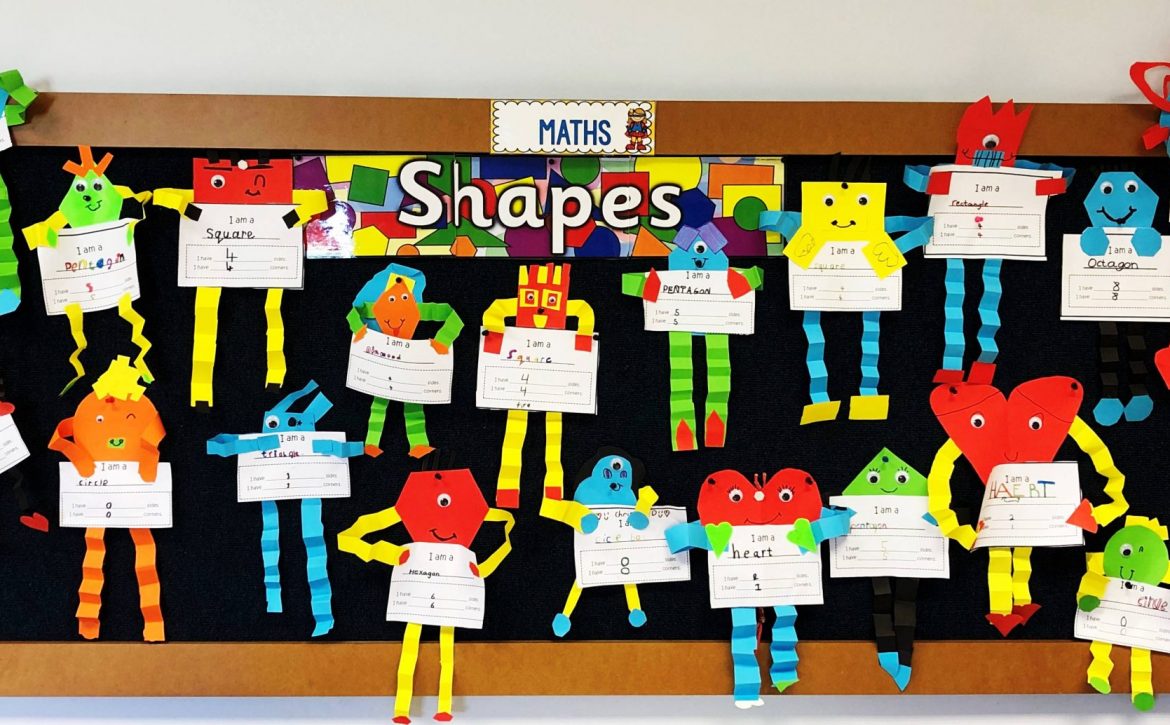
Learning about shapes through music and song is a lot of fun. Year 3 have learnt to identify both 2D and 3D shapes along with their respective properties. The students used their growing knowledge to design, cut and create their very own shape monsters!
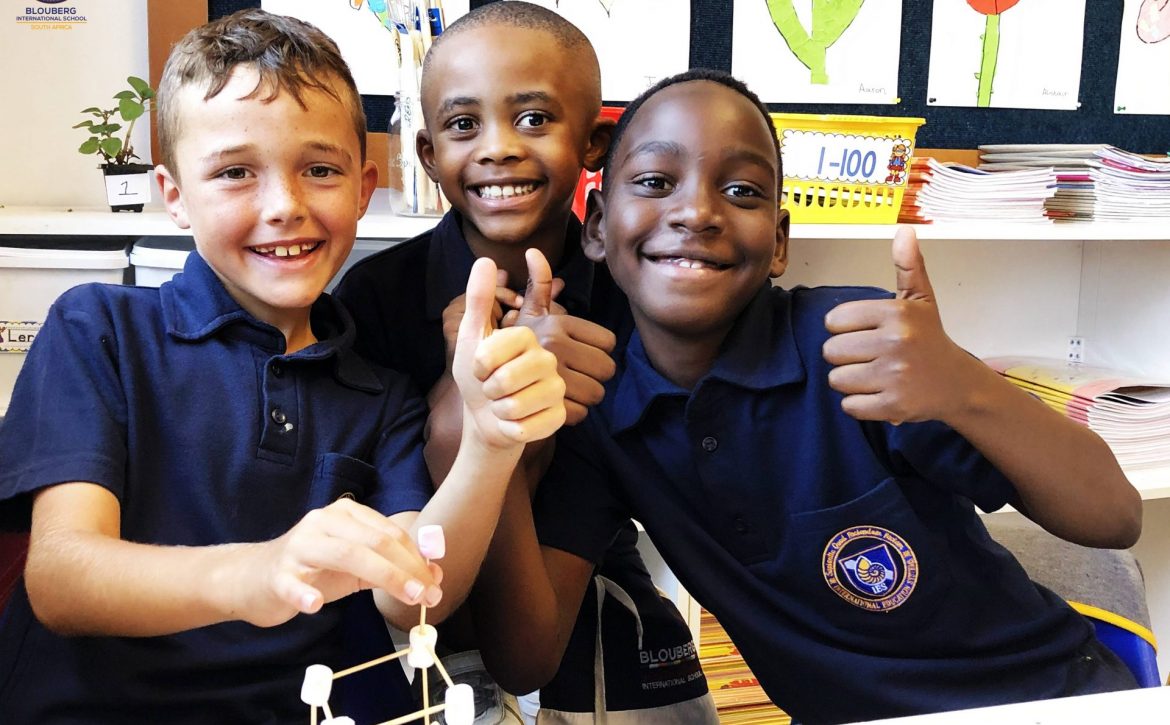
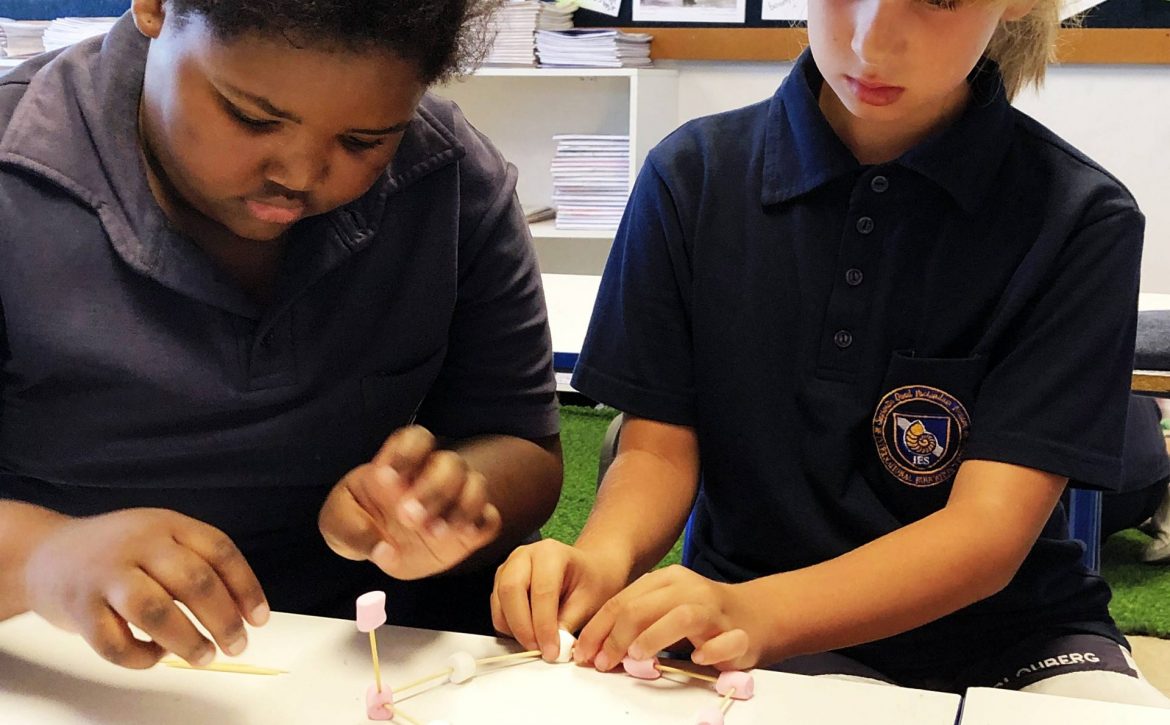
After mastering the edges, faces and vertices of various 3D shapes, the students had an opportunity to construct their own 3D shape. They managed this task in groups of three by designing and building a 3D model in class using toothpicks and marshmallows!
Well done Year 3… but I am still wondering how all the marshmallows mysteriously disappeared!
Mandy Goch
Year 3 Teacher