

Shades And Tones
The High School Art students discovered the magic of creating colours in a variety of shades and tones.
Learning how to mix colour is a matter of knowing the right steps and with practice, the process becomes almost instinctive. Having some knowledge of colour theory is good, but in practice, when you pick up your paintbrush, the theories do not help that much.
Colour theory helps us to understand the possibilities of colour in art and design and appreciate the different ways that artists use colour. The effects of light fascinate some artists; some are interested in the symbolic meaning of colour; and some use colour to express their emotions.
Colour theory in art can be summed up under three headings: Colour as Light, Colour as Symbol and Colour as Emotion. A knowledge of Colour Terms helps us to express how this visual element is used in art and design. It gives us the vocabulary to clearly state our feelings about an artwork or design.
Understanding the placement of the colours on the colour wheel will help you to name any given colour. The name of a colour is called “hue”. In painting and drawing, artists name their colours as “red-violet,” “blue-green,” “yellow-green,” etc.
Do not confuse the commercial names of wall paint colours with “hue,” because they do not necessarily tell you much about the colour and they are often misleading.
Students used scientific thinking to observe, predict and compare, and they experimented with cause and effect. “What will happen if we mix all three primary colours together?” “How much yellow do you need to add to make green?” “Can I make the exact same colour twice?”
They used problem-solving skills and came up with ideas for what to do when the colour they were mixing did not turn out quite the way they had hoped. The students used mathematical concepts such as more and less, and devised ways to measure how much paint they were adding.
When mixing colours and painting, students used a multitude of fine motor skills like squeezing, pouring and mixing, and worked on controlling those skills. It is not always easy to pour just a little bit of colour! They had hands on learning and experience with primary, secondary and tertiary colours, as well as tints, and shades. “What happens if you add white?” “What about when you add black?”
The Year 8 Art students also learned how to create form by acquiring the skills to do different shading techniques. Once they realised it is a matter of seeing lights and darks, and all the tonal varieties in between, they produced drawings that made us all very proud.
Riaan Vosloo
High School Art Teacher

Exploring Our World
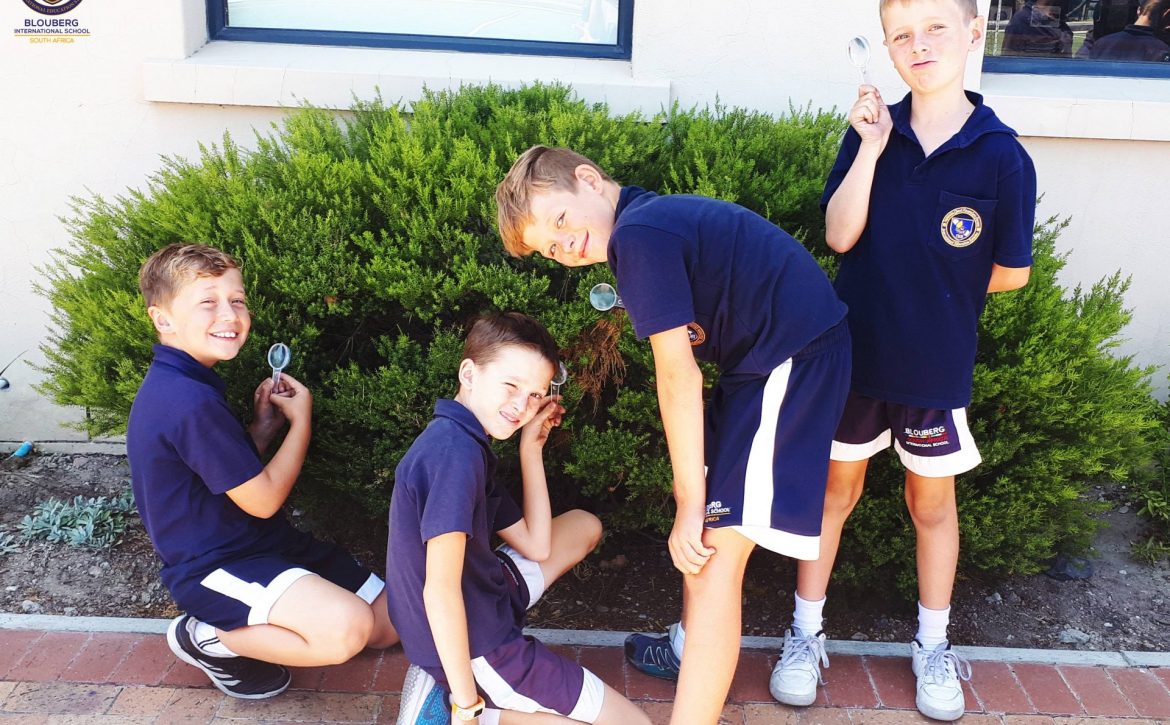
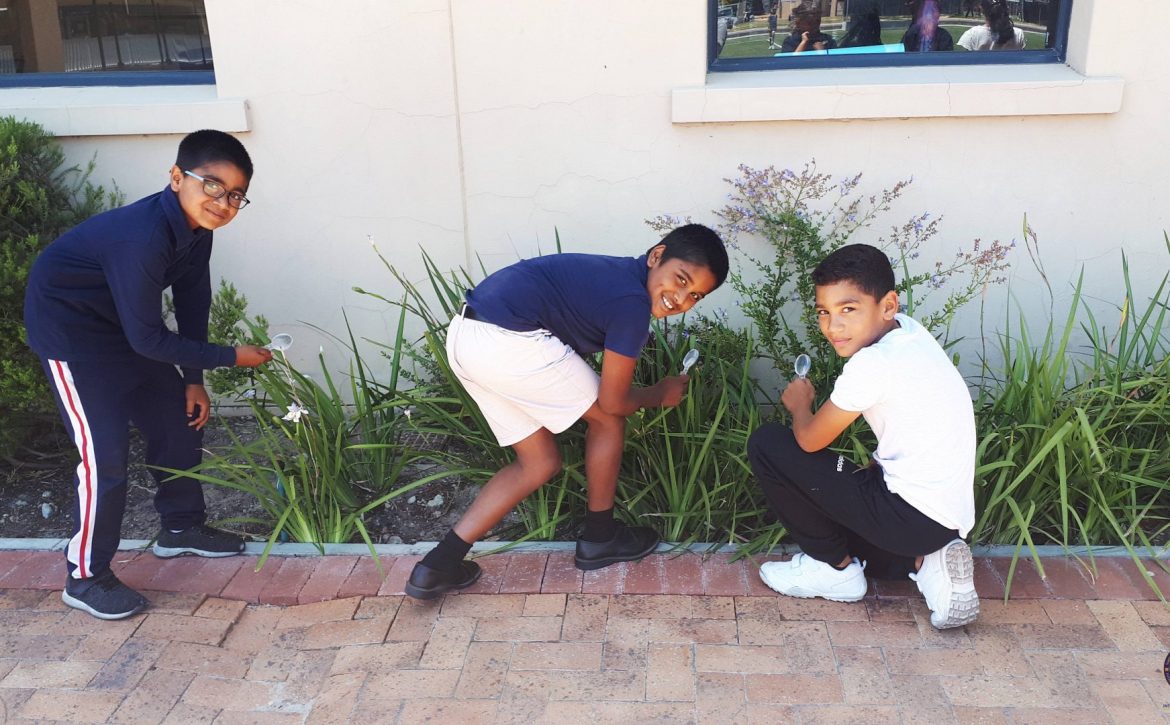
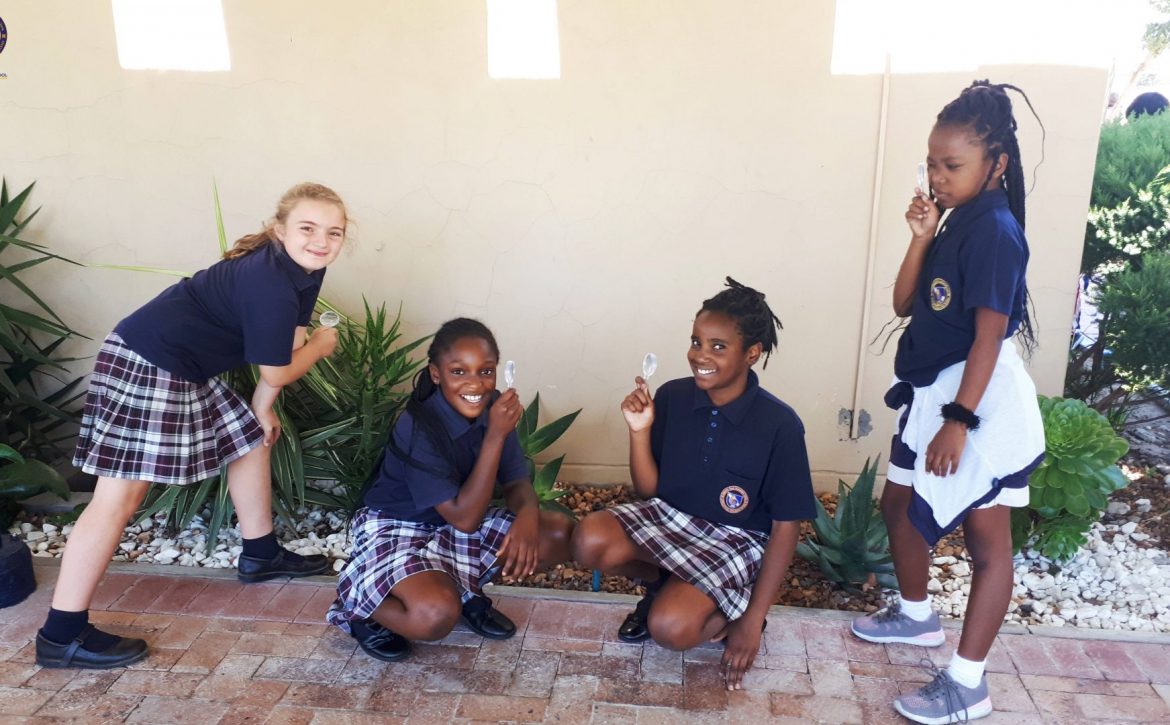
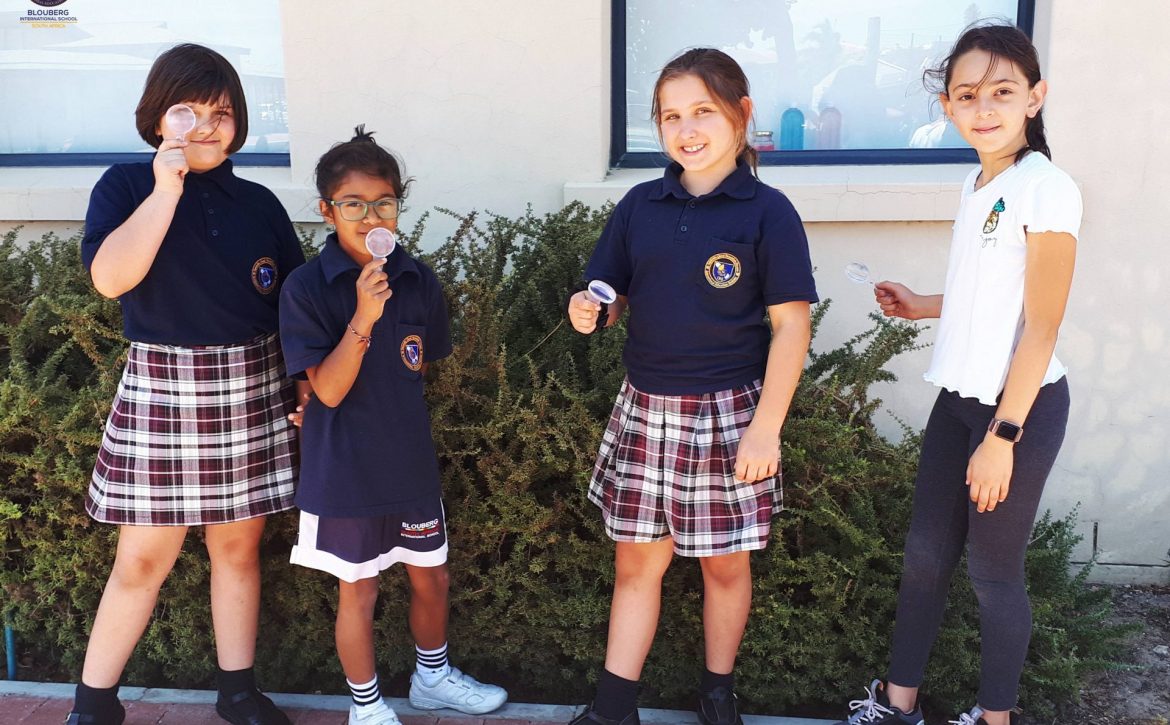
The Year 4’s have had an exciting first 3 weeks of school. We’ve started with an interesting topic in Science: Habitats.
We’ve learned some new scientific terminology such as habitat, micro habitats and adaptations. Last week we got the chance to practically apply our knowledge by exploring the school’s garden. We found loads of animals and insects such as doves, swallows, beetles, butterflies, ants, moths and spiders! Once back in class, we had to draw the habitats and list all the animals we found.
Mrs Schoots also spoke about her class’s pet rats and how they are adapted to live in a cage and what makes them different from rats living in nature. It really helped us to understand how some animals might be able to survive in more than one habitat. We will continue with this topic for the next few weeks.
We are so blessed to live in a country with such a vast variety of animals and plants. It is important that we respect these animals and their habitats – no matter how small they are!
“Animals are such agreeable friends—they ask no questions; they pass no criticisms.” –George Eliot
Ria du Plessis
Year 4 Teacher



First Day Activity
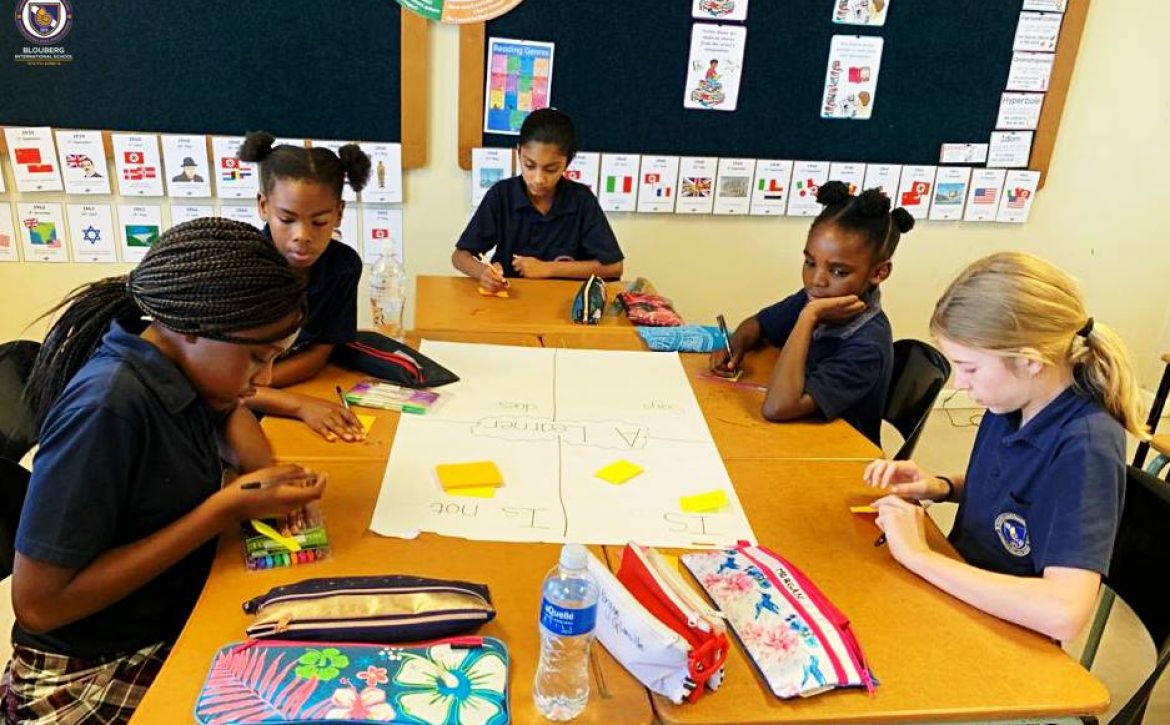
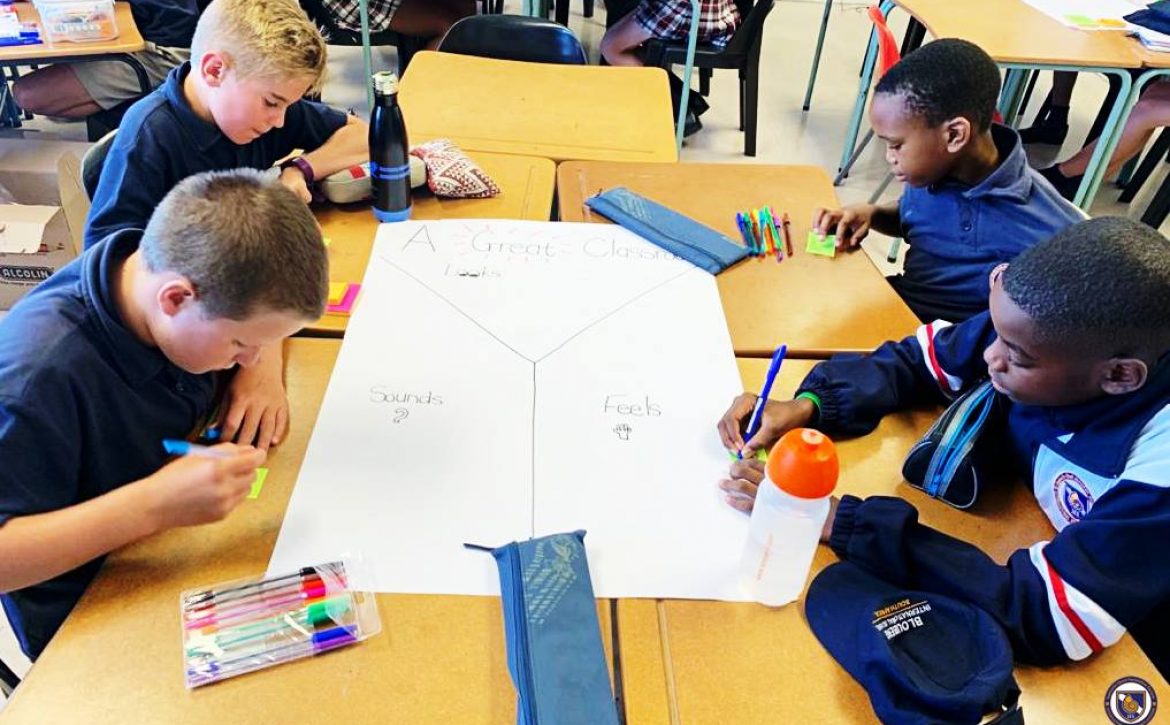
Today was our first day in Year 6.
We did station work and wrote down in our own opinions about what makes a good teacher, what makes us happy, what we thought made a good classroom environment and what a learner is, is not, does and says. We also made a classroom essential agreement, showcasing how we can cooperate with others when working in groups and to show resilience in our school work.
We had a lot of fun settling into our new classroom and we hope 2020 will be an amazing year.
Maia Davies
Year 6 Student




Symmetrical Expression
What is Symmetry?
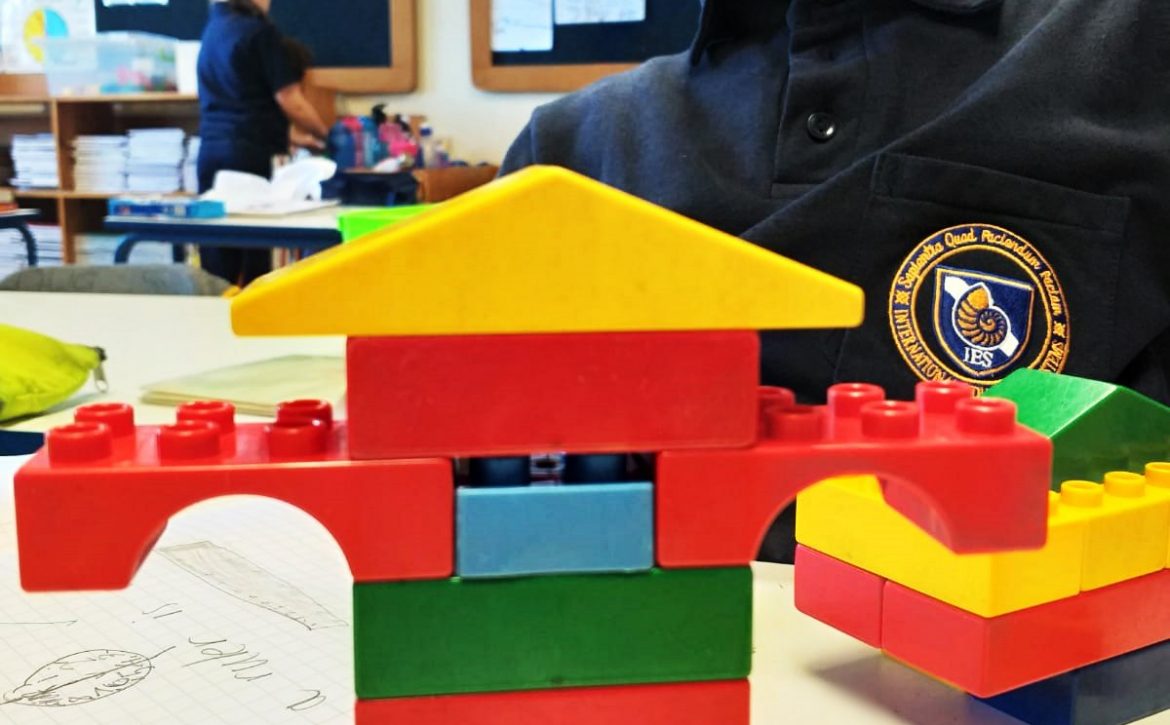
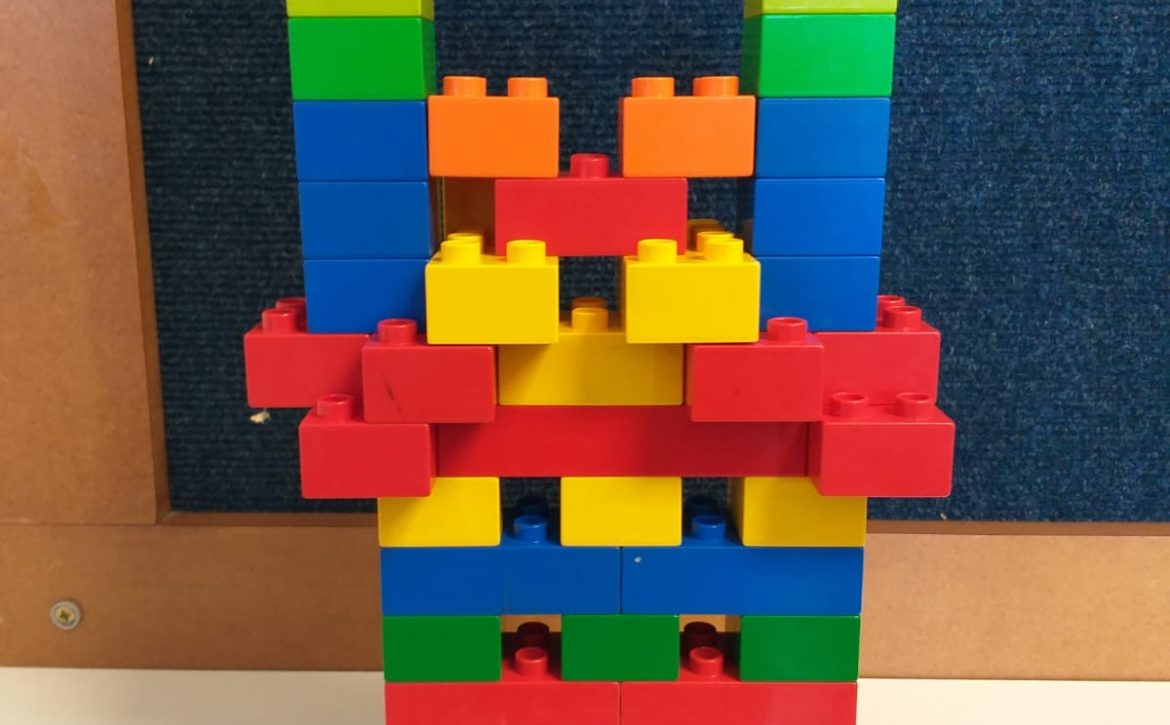
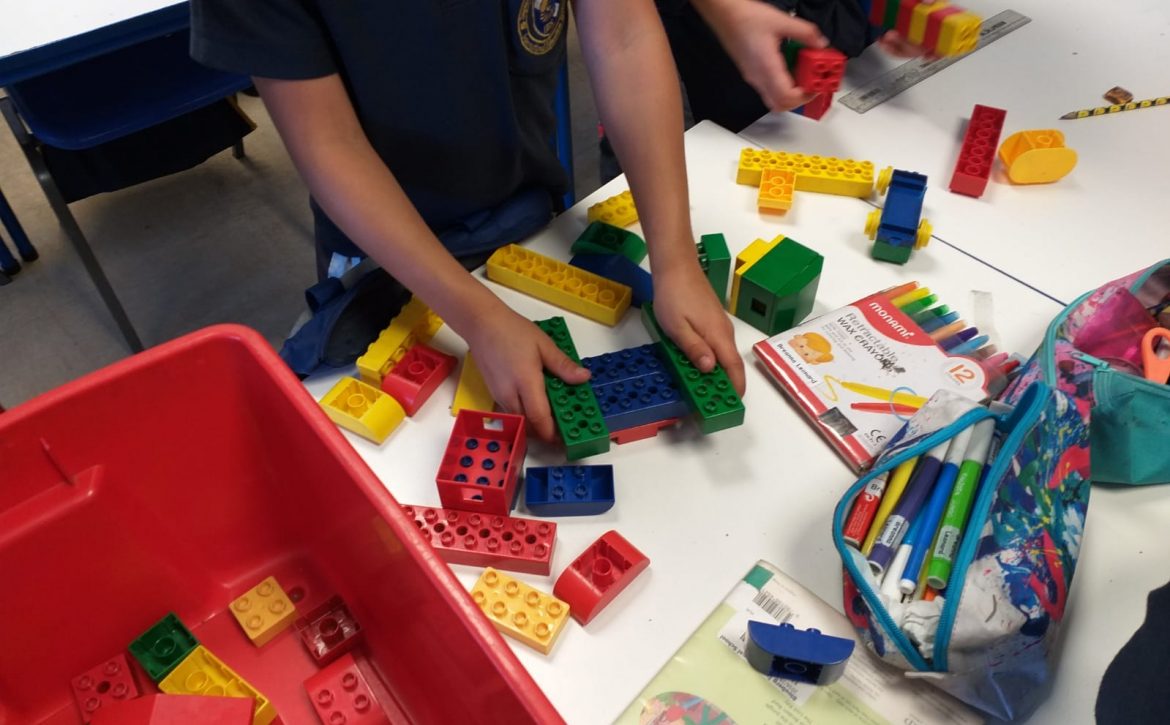
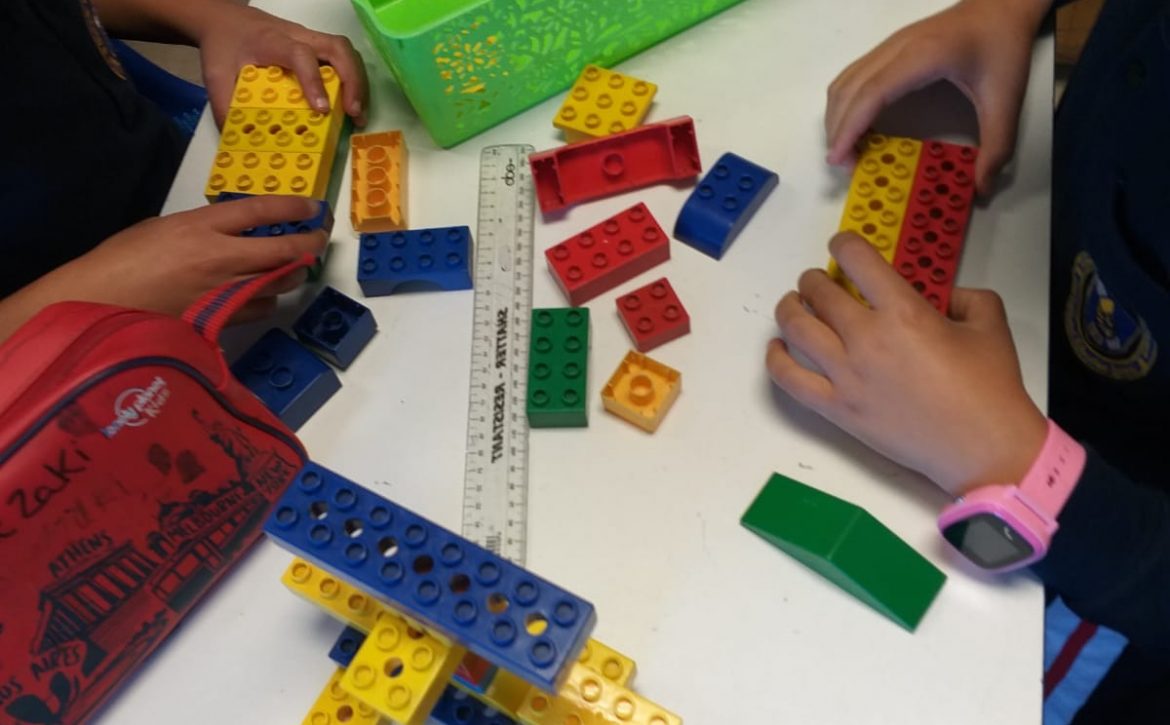
In Year 2, symmetry is part of the geometry section of the curriculum. Using Active Learning as our base, we attempted to allow the learners to discover symmetry in shapes, buildings and nature. First, the students explored the school grounds and had to find and draw as many symmetrical objects they could find. When they returned to class, they gave their own definition of symmetry using what they had just done. The following lesson, students were required to work in groups of four and had to build a symmetrical construction using Lego and building blocks. They had to ensure that the colours they used also demonstrated symmetry. After this, they drew what they had constructed and drew the middle line to show that they knew what the line of symmetry was.Students need to understand symmetry to be able to later grasp more complicated concepts like reflective, rotational and point symmetry. Ballerinas use symmetrical principles to complete a turn by turning their bodies on one spot. Even a simple calculation like 8 = 4 + 4 is a demonstration of symmetry; where the totals on each side of the equals sign need to balance.
“We are imprinted with a tendency toward symmetry and can learn new concepts more quickly if we can detect an element of symmetry in them.” – Katherine Buchholz (https://www.realcleareducation.com/articles)
Year 2 Teacher


The Building Blocks of Early Learning
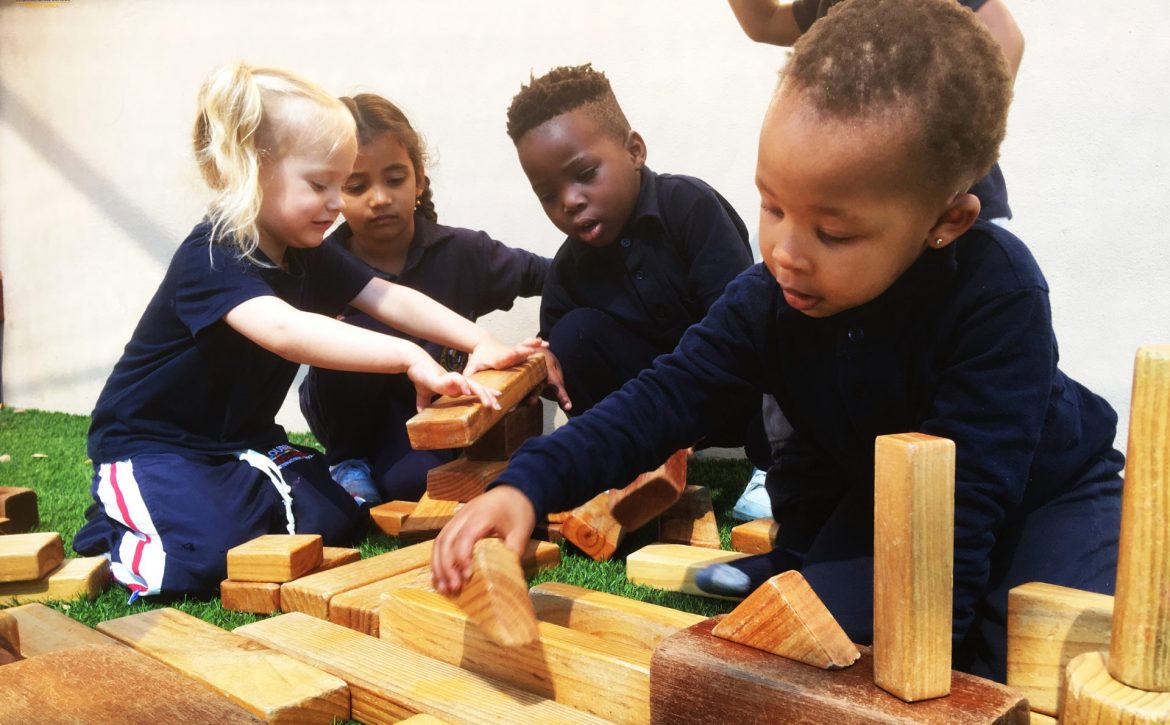
The Nursery class is enjoying building blocks. They have been working together to make big towers, learning to share with each other while cooperating for a greater goal.
We have been learning about different shapes and discussing what shapes the blocks are. At this stage we are investigating squares, rectangles and triangles.
A few benefits of building blocks include:
- Improves hand-eye coordination by learning to place the block on the block tower in such a way that does not topple the tower.
- Teaches early math and engineering skills through hands on learning.
- Spatial awareness.
- Improves fine motor skills.
I wish to encourage parents to spend time with your children, building with a variety of blocks and Lego. Such a simple activity can have a tremendously positive impact on learning.
Jacky Billings
Nursery Teacher