Why Should We Teach Children About Pollution And Waste?
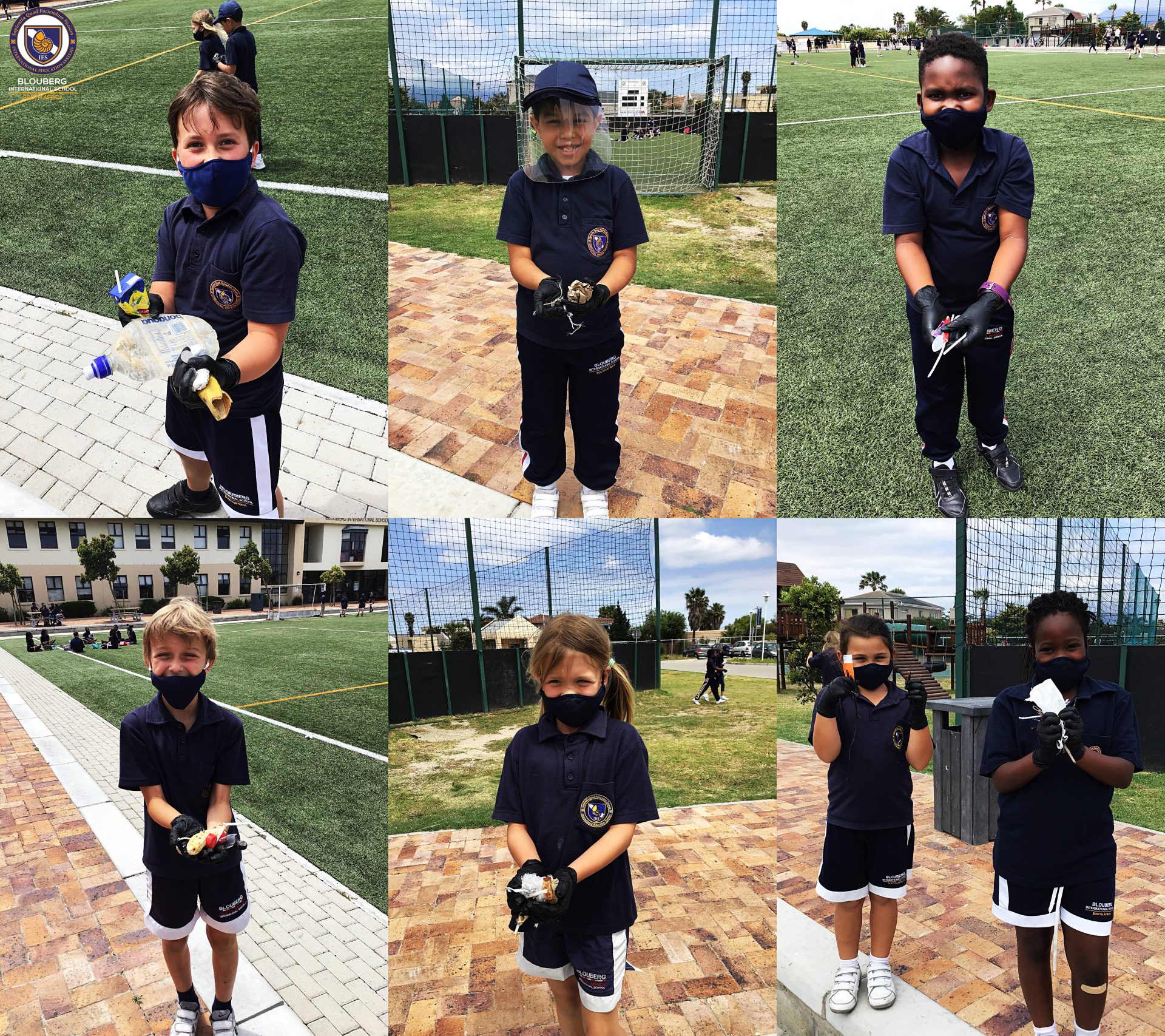
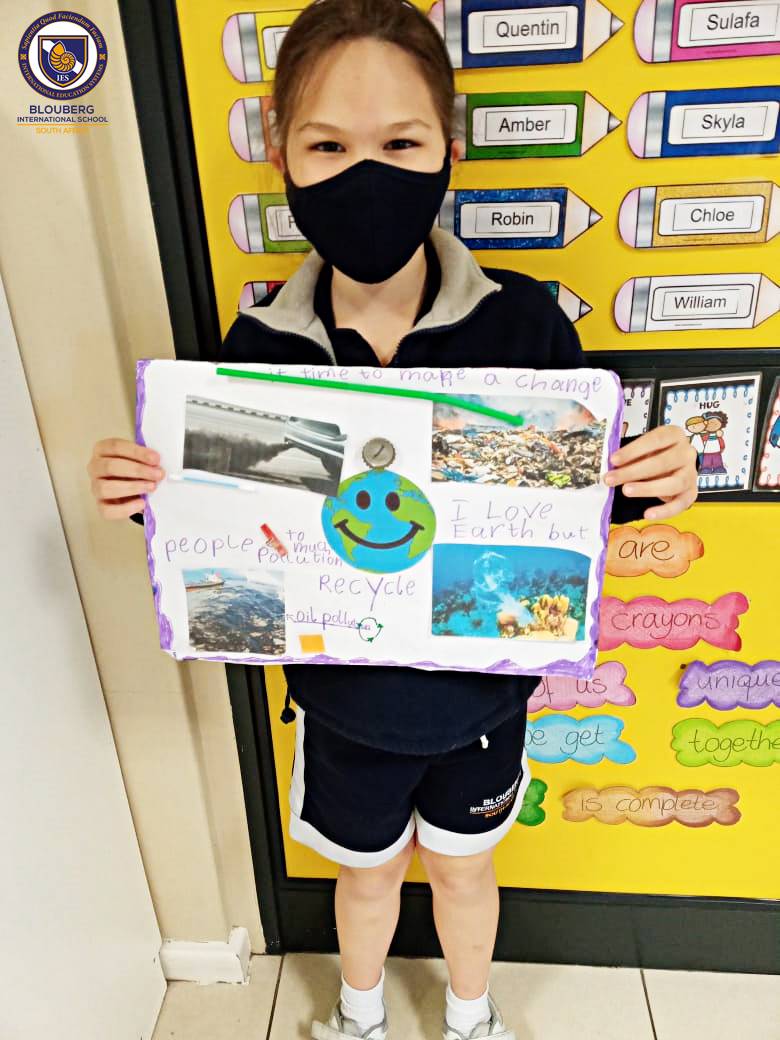
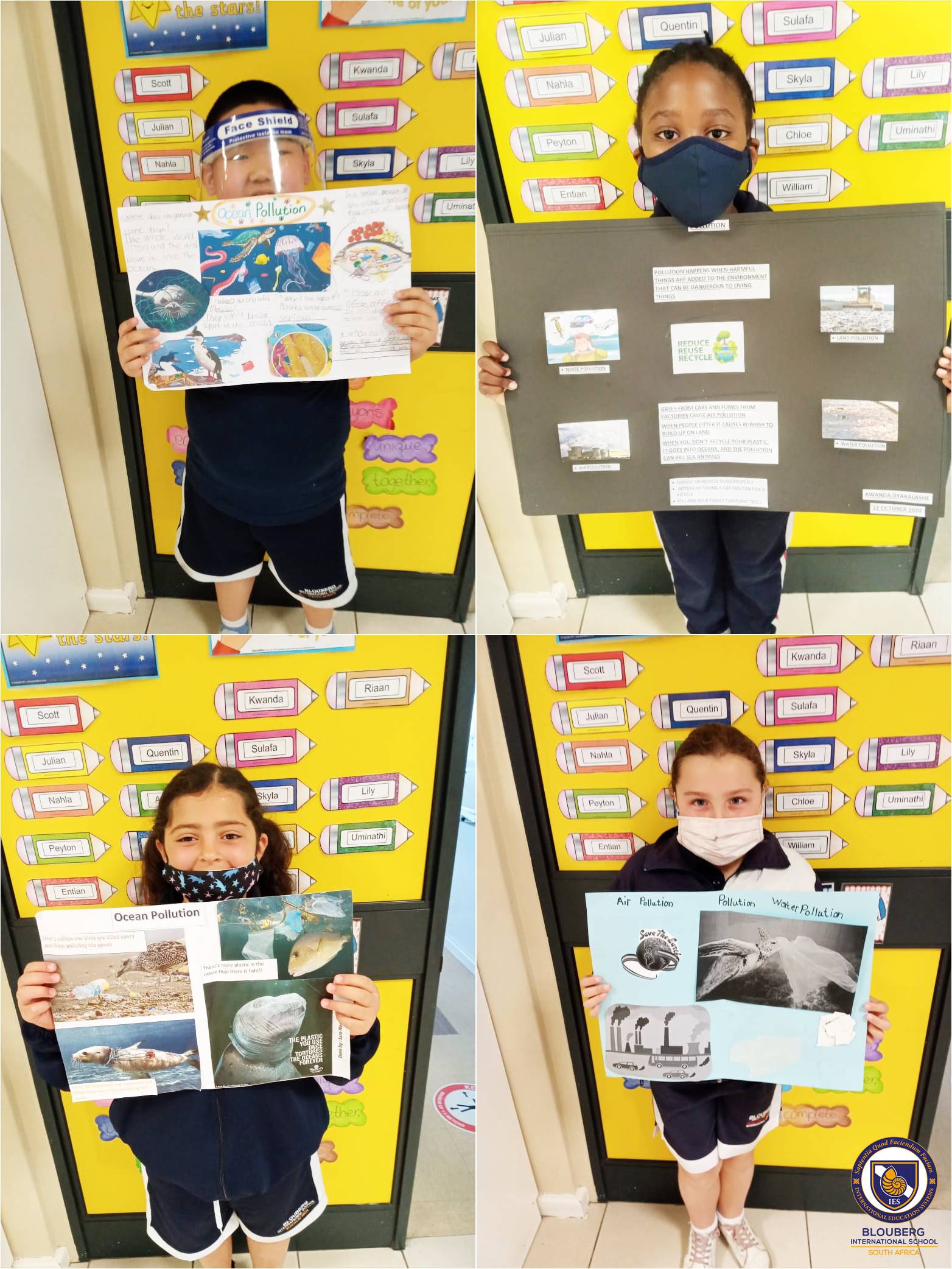
The Year 2 students have been learning about pollution and waste over the past few weeks in Science and they have been taking the topic very seriously.
The teachers find it a very important topic for students to learn about as it benefits not only the students, but also the environment around us. Pollution affects our health and welfare every single day as it directly relates to the status of our environment, therefore making it an exceptionally important topic to have knowledge on, from a young age.
A crucial part of development is that students learn that they have a choice and the power to make a difference in the world.
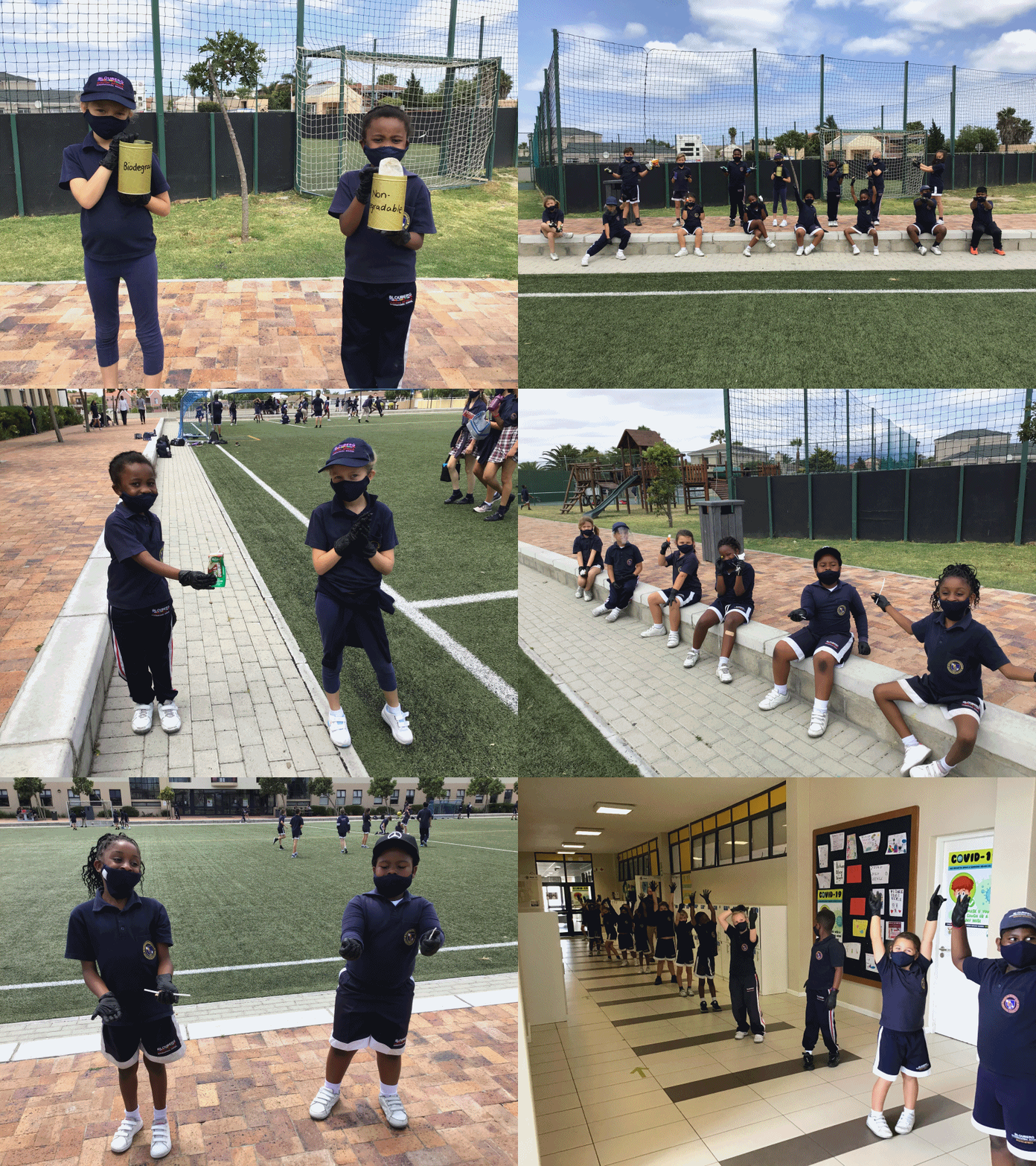
The Year 2 teachers took the students outside to collect litter around the school and then discussed the different types of waste they had found (fruits, paper, and plastic). We also discussed which of the waste was biodegradable and which were non-biodegradable. This was a fun activity of learning new information and Year 2 thoroughly enjoyed it.
Erin Hierse
Year 2 Teacher
Science Investigation
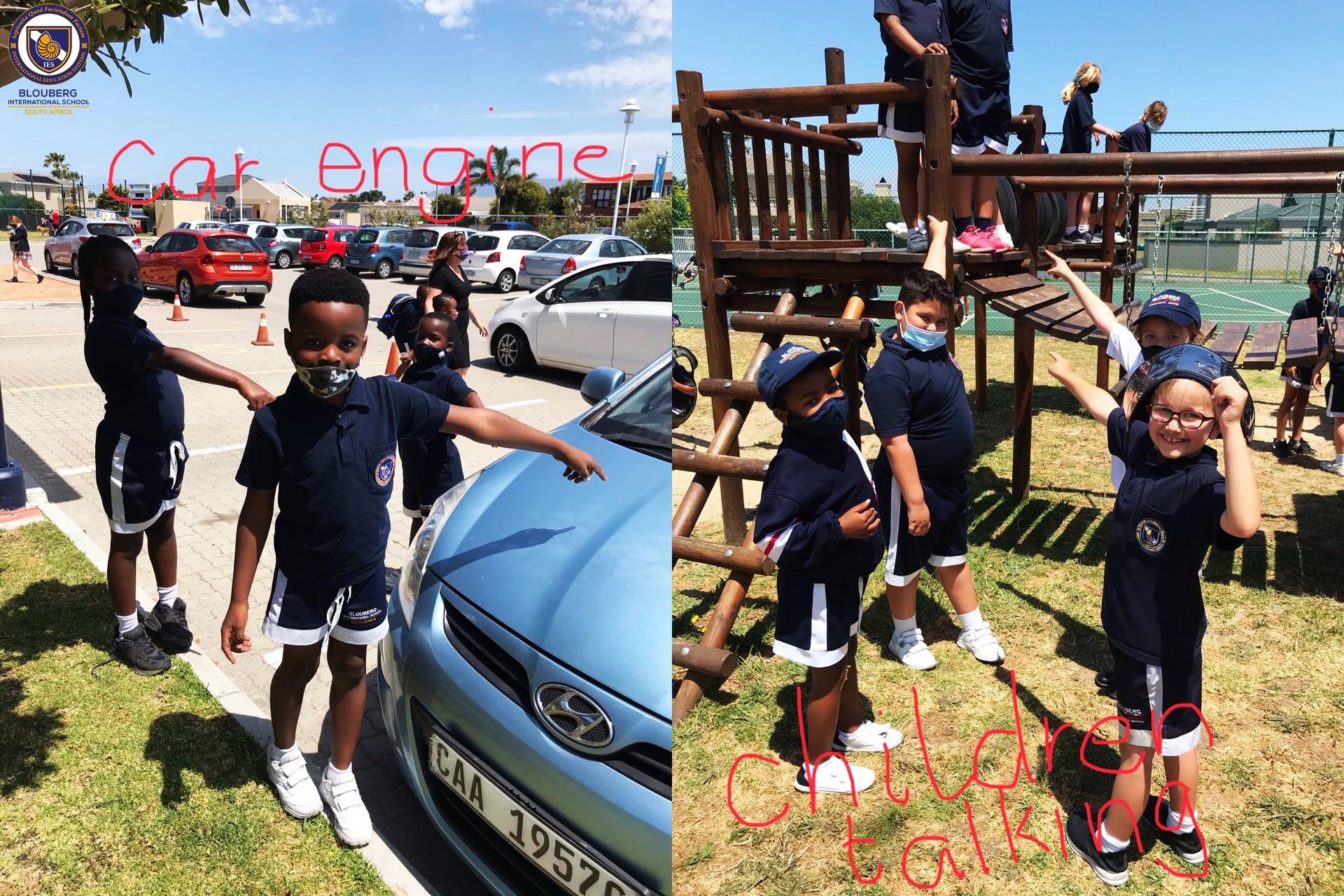
An important part of science is collecting and recording data. The Year 1 students are learning about Sound and Hearing. During this theme they have learnt to recognise sources of sounds.
Armed with Ipads, the students went out onto the playground to photograph different sources of sound. When they had collected their data they shared the photos with their peers, explaining the source of the sound. The students then recorded their observations, by drawing the sources of sound they had photographed.
When students learn to record and report on data collected, it helps them make sense of what they have observed, thus giving them greater insight into the topics we cover.
All in all our little scientists had so much fun exploring and reporting their findings, we look forward to doing this again soon.
Ann Cordner
Year 1 Teacher


Nursery Space Fun
The Nursery students have been learning about Space. We are learning amazing songs like ‘8 Planets in the Solar System” in order to learn the names of the planets: Mercury, Jupiter, Uranus, Mars, Pluto, Earth, Saturn and Venus. We are also discovering where you can find the planets and what colour they all are.
The students enjoyed our art activity where we stuck red tissue paper on our rockets. We will be adding many different colours to our rockets throughout the coming week. We really like making our colourful collages!
The students had fun with our sensory activity, where we made red play dough. We learned about measurement and mixing ingredients and were amazed to see how play dough is made. We then tried to make rockets out of our play dough, strengthening our fine motor muscles while we play.
The Nursery is looking forward to learning more about Space next week.
Jacky Billings
Nursery Teacher


Sensors In Computer Science
Term 4 has seen the return of most of our students to regular classes and the Year 9 Computer Science students began the term with a particularly interesting chapter in their syllabus, namely “Sensors”. Using various sensors, they were able to program and build models that react to certain environmental situations.
We focused on various problem-solving skills as the importance of students being able to interpret algorithms to discover what works and what doesn’t, is a valuable skill in all spheres of learning. The discovery of different solutions to various problems encourages and stimulates creativity in students.
Thinking about the 2020 pandemic, we realise how technology has progressed in leaps and bounds to connect us to our everyday tasks. We are mindful of the science involved to get us to this point.
Questions that lead to algorithms ultimately lead to new technological developments. If I look at what was achieved in such a short time span, I can only be excited about future developments.
Who knows, our next major development could be from one of our very own students.
WATCH: Blouberg International School students explain their work with sensors in Computer Science.
Gemayel Kroukamp
Computer Science Teacher
Covid Interrupts Our Dutch Friendships
Karsten van Zandvoort sadly left our class in June. He has now been enrolled in a school in Ravenstein, Netherlands. His mother contacted me during the September holidays to ask if we would be interested in meeting his class. We arranged for a class-to-class Google meet, for last Friday. To introduce ourselves and our school, the students of Year 4CS made the special videos you can view below.
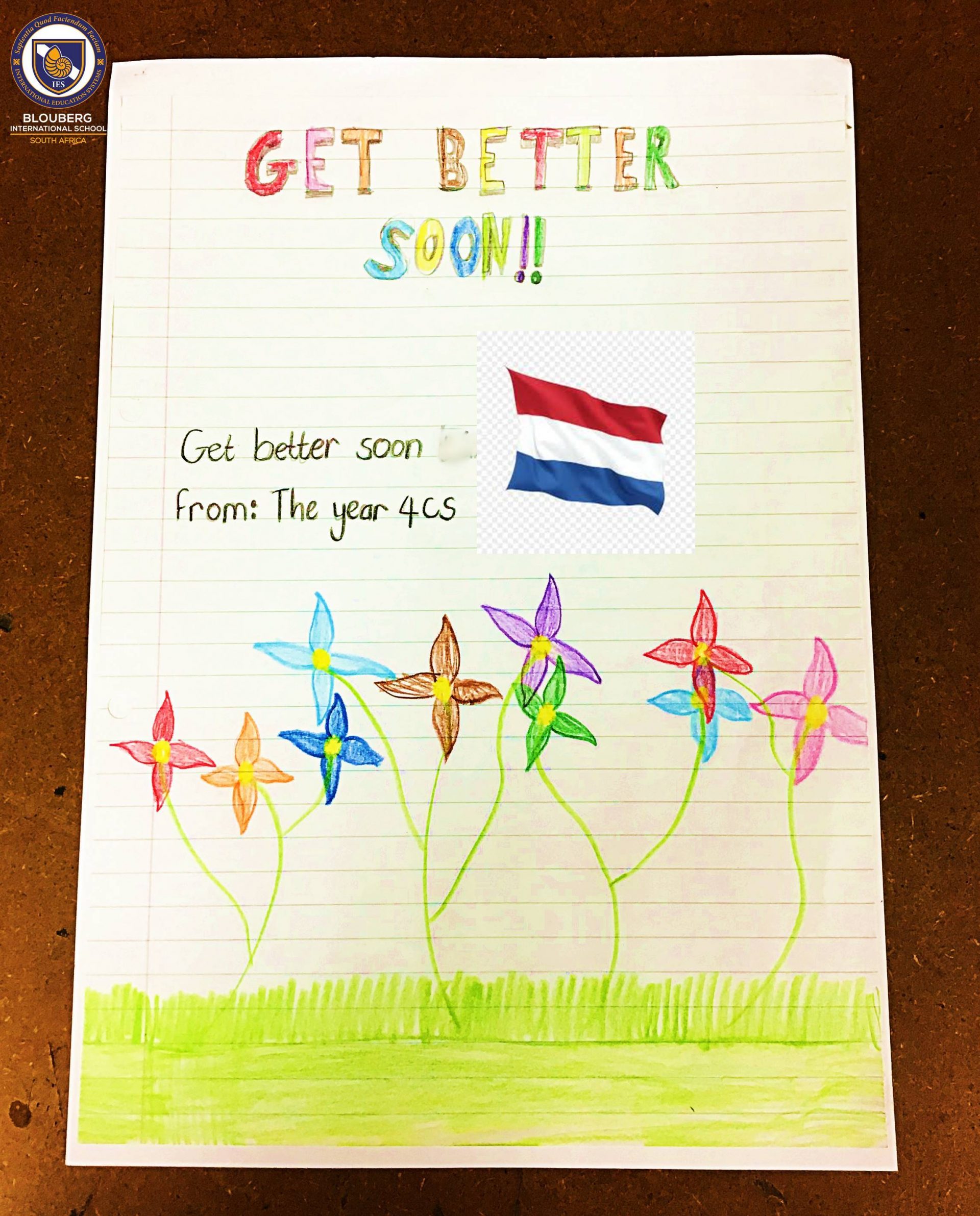
On Tuesday, we received a picture of Karsten’s class watching one of our videos. His class was very excited. Then on Wednesday, I received an email – due to the spike in Covid cases in the Netherlands, we have to reschedule our meeting to 30 October. In the meantime we sent our well wishes.
We simply can’t wait to share our classroom experiences with our new friends in the Netherlands!
Year 4 Teacher
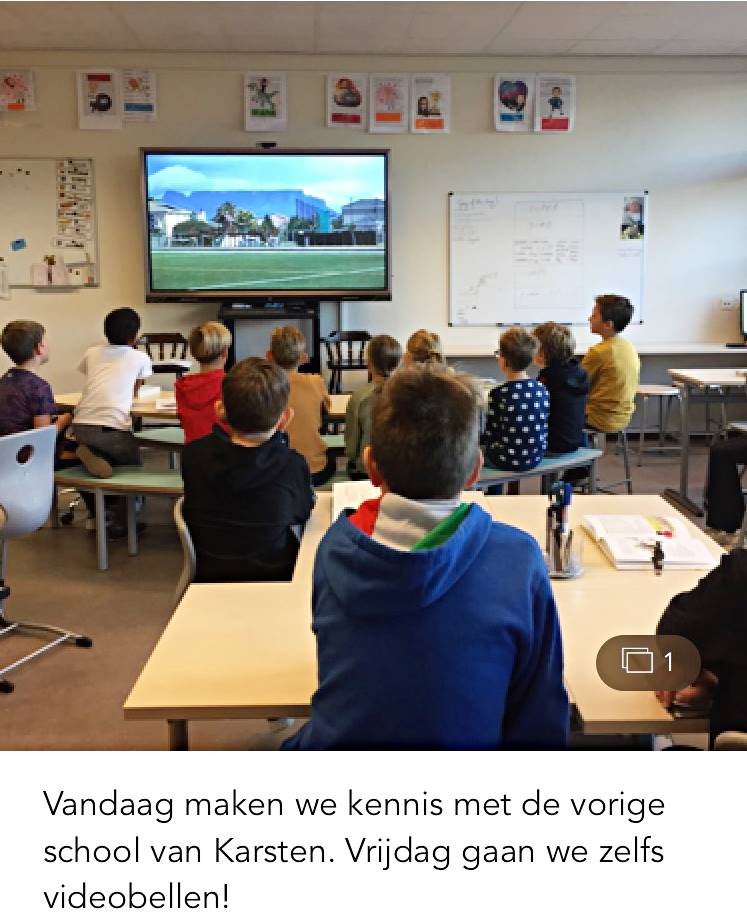
Karsten and his classmates in the Netherlands watching our videos created for them.
Learning About Pollution In Year 2
“Heal the world, make it a better place…”
(Michael Jackson)
“Pollution should never be the price of prosperity.” Al Gore
Kim Coetzer
Year 2 Teacher

On The Farm 2020
In Reception Year we have been learning all about the farm. This theme is always a favourite as the students have lots of stories about their own personal experiences in visiting different farms, from milking cows to collecting eggs. We asked the students to tell us some of their favourite things about the farm.
This is what they shared:
“I like the horses because whenever I see them I want to ride them. I love it!’ (Daniel Beer)
“My favourite is the cows because they make milk. I like milk” (Muhammad Zaeem Allie)
“My favourite is the pigs because they are funny when they roll around in the mud.” (Olu Mbeki)
“I saw all the different animals but I like the cows because I like milk” (Aubrey Moodley)
“I like the baby goats because they are also kids” (Cayden Floor)
“I like the sheep because they can make t-shirts with their fur’ (Kirby Melvin)
Monique Meyer
Reception Year Teacher


From the Principal’s Desk, 23 October 2020
Dear Parents
“A child is like a butterfly in the wind. Some can fly higher than others, but each one flies the best it can. Why compare one against the other? Each one is different. Each one is special. Each one is beautiful.”
– author unknown
An educator at heart, the best part of my job is working with children and over the years, having worked with students from diverse backgrounds, I continue to be moved by the innocence and humanity of my students. It is a privilege to aid in the development of a child and watch as they discover and develop their potential.
There are various ways in which we as parents and educators can encourage a child’s individuality.
- Make time every day to engage with your child and take note of all the little changes as they grow and develop.
- Foster their interests and encourage their hobbies.
- Introduce them to various activities to broaden their horizons.
- Encourage their innate curiosity.
- Practice patience no matter the situation.
Every child has unique characteristics and abilities which makes them special. It is up to us to celebrate their achievements and encourage them at all times. It is important that children feel understood and supported and that they know that we, as parents and educators, are always available to them.
I wish you all a wonderful weekend of happy play times, exciting discovery, and effective communication.
Best regards
Edna
Read More
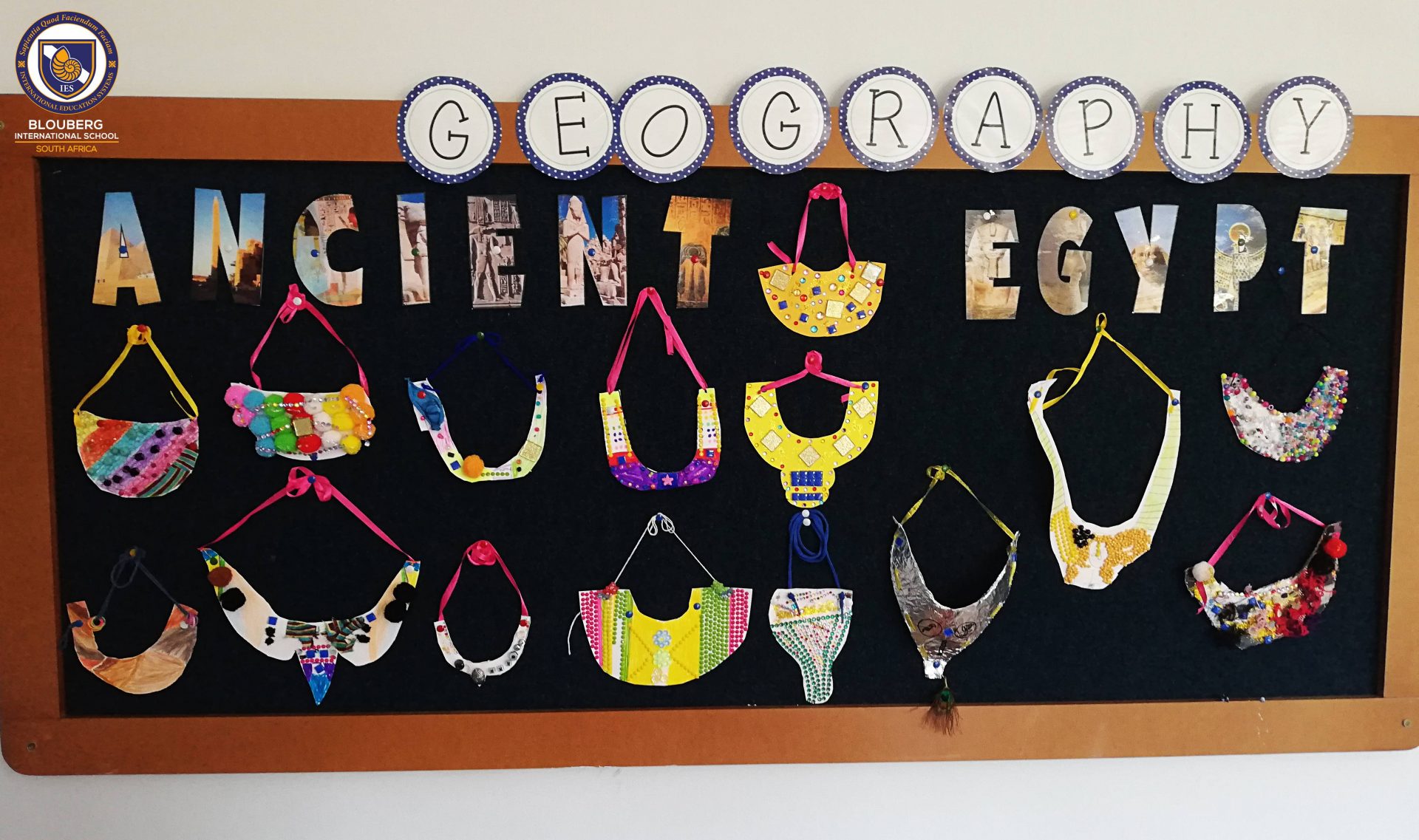
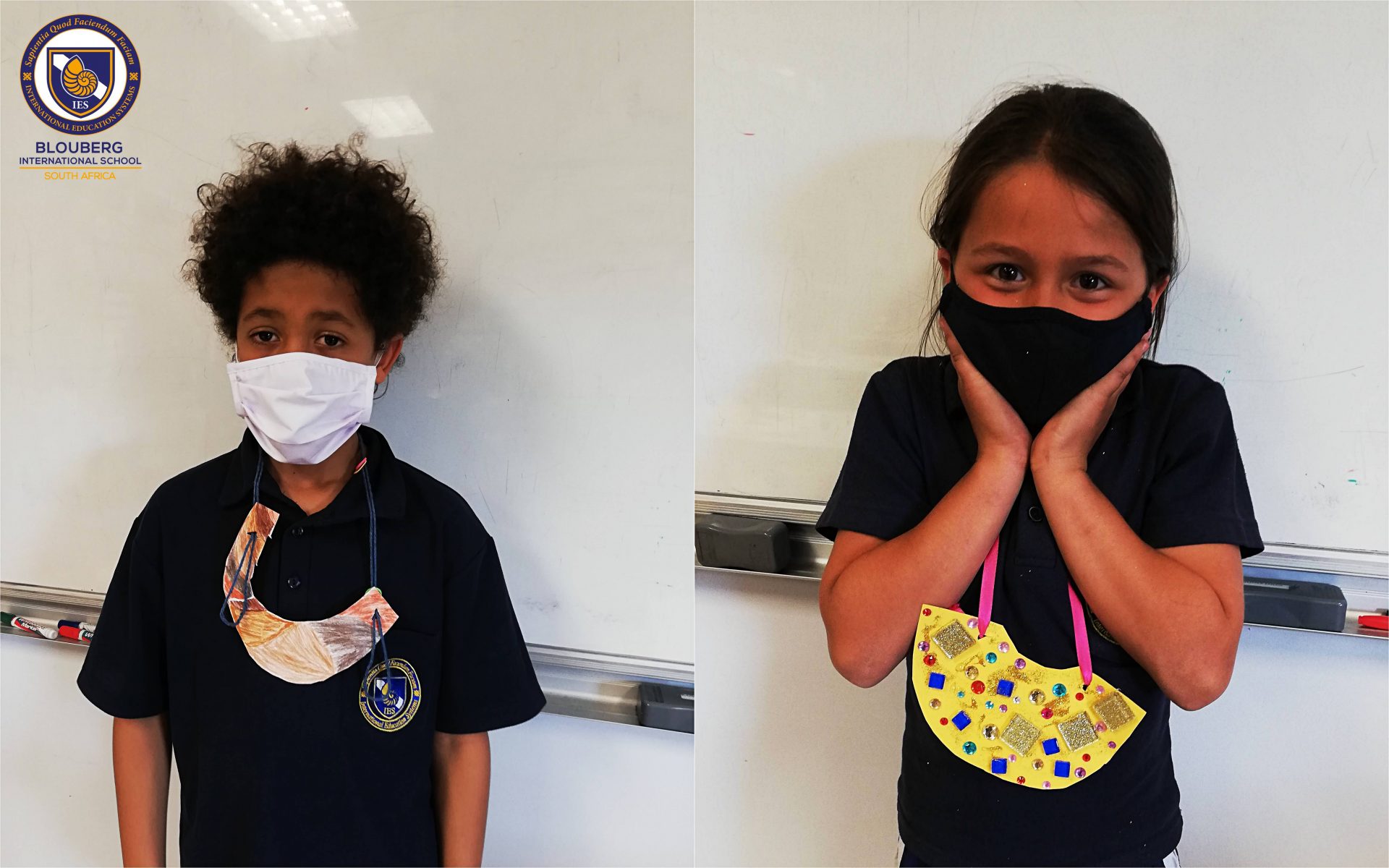
Ancient Egyptian Necklaces
The jewelry of ancient Egyptians held religious and symbolic significance and was treasured for its beauty and power against evil and death. It was buried with men and women because the Egyptians expected to enjoy wearing their finery in the afterlife.
The Year 3 students used their creativity to create the most beautiful Egyptian necklaces. This is how their beautiful necklaces make them feel:
“My necklace makes me feel shiny,” said Mila Arpesella.
“My necklace makes me feel like an Egyptian.” Said Jesus Da Silva.
“When I wear my necklace I feel like I can do anything, just like the Egyptians,” thinks Skye Venzke-Krecklenberg.
“My necklace makes me have joy,” explained Manjulika Moodley.
Sasha Rajah
Year 3 Teacher

The Seeds Of Science
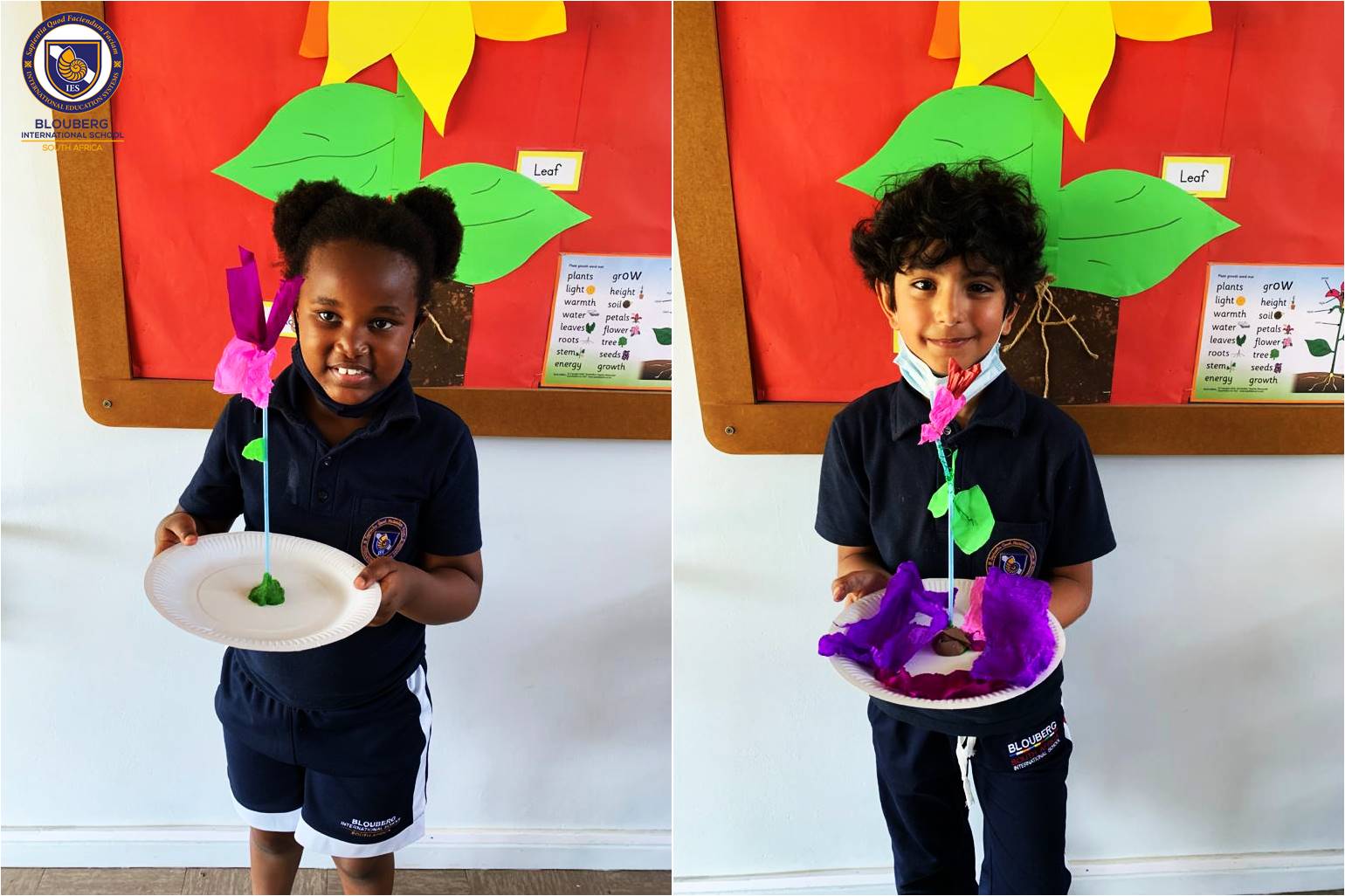
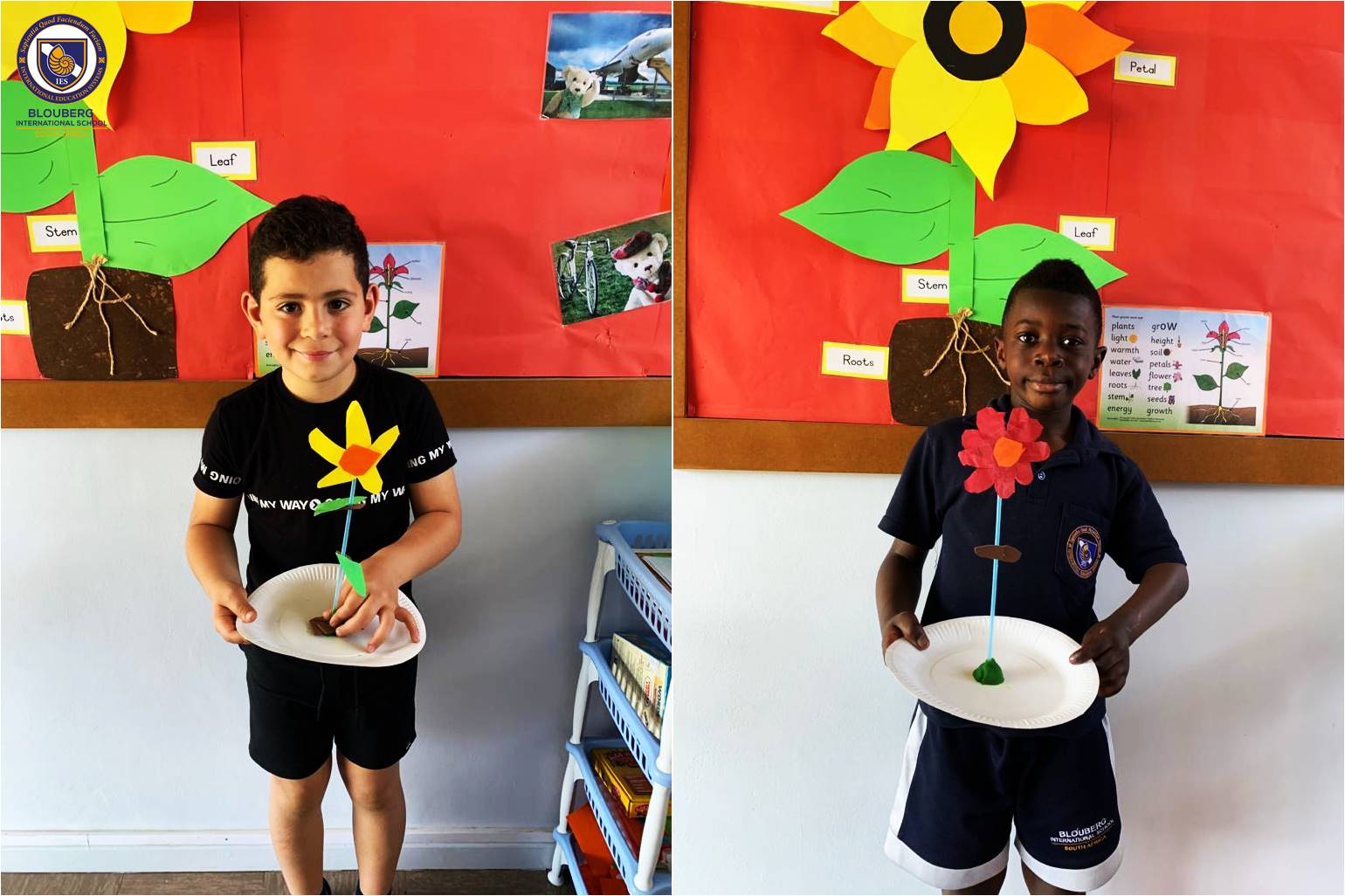
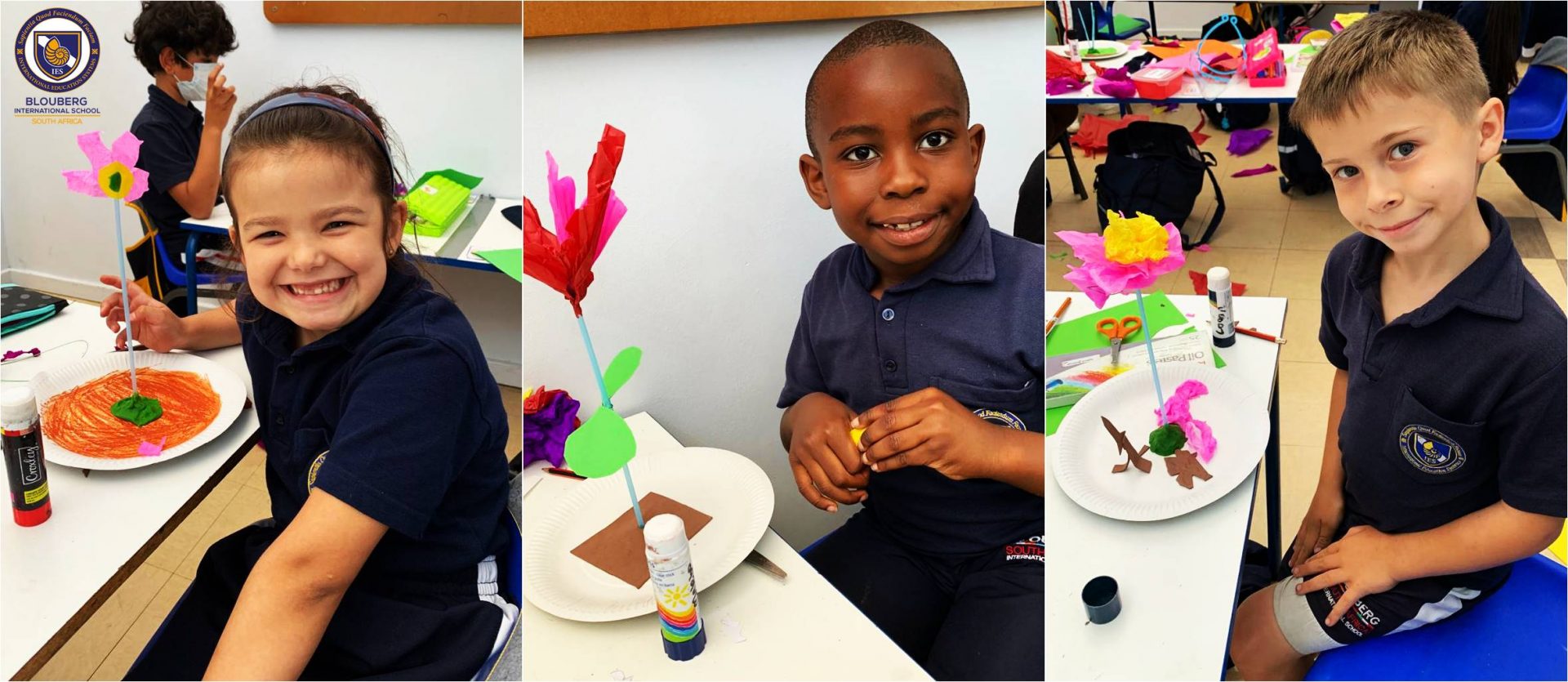
This term in Year 1 we have been observing and exploring plants in our Science lessons. Taking photos, labelling and even planting our very own seeds are all fun activities that we have been partaking in these past few weeks together.
We asked the students to make their very own model of a flower, taking into account the various parts of a plant. They thoroughly enjoyed getting creative and using a variety of different materials to make their own plant.
It is very impressive to see what some of the children came up with and how they made their flower stand up.
Well done to our budding scientists!
Charlotte Cronje
Year 1 Teacher