Pre-Reception Learning All About THE FARM
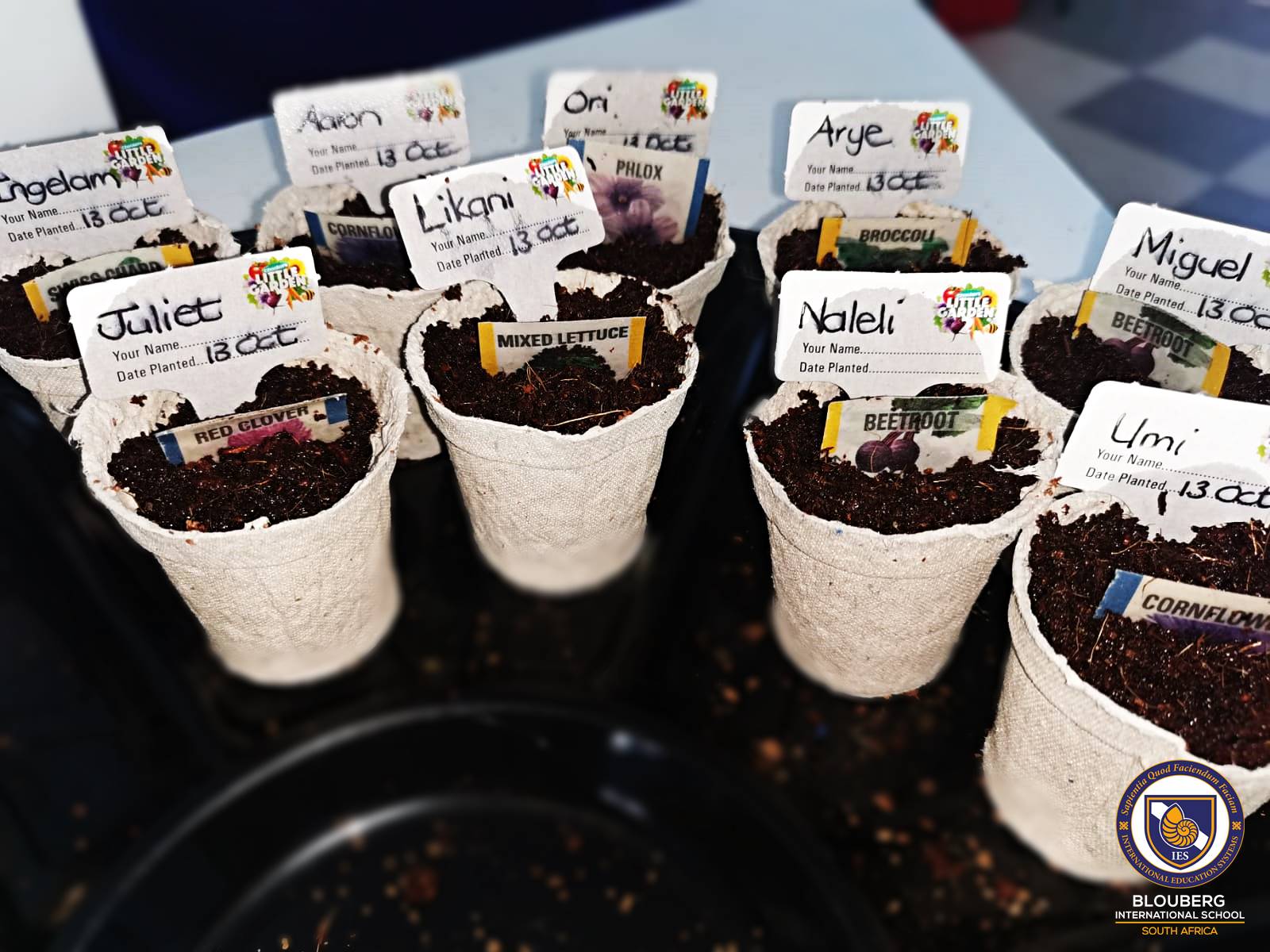
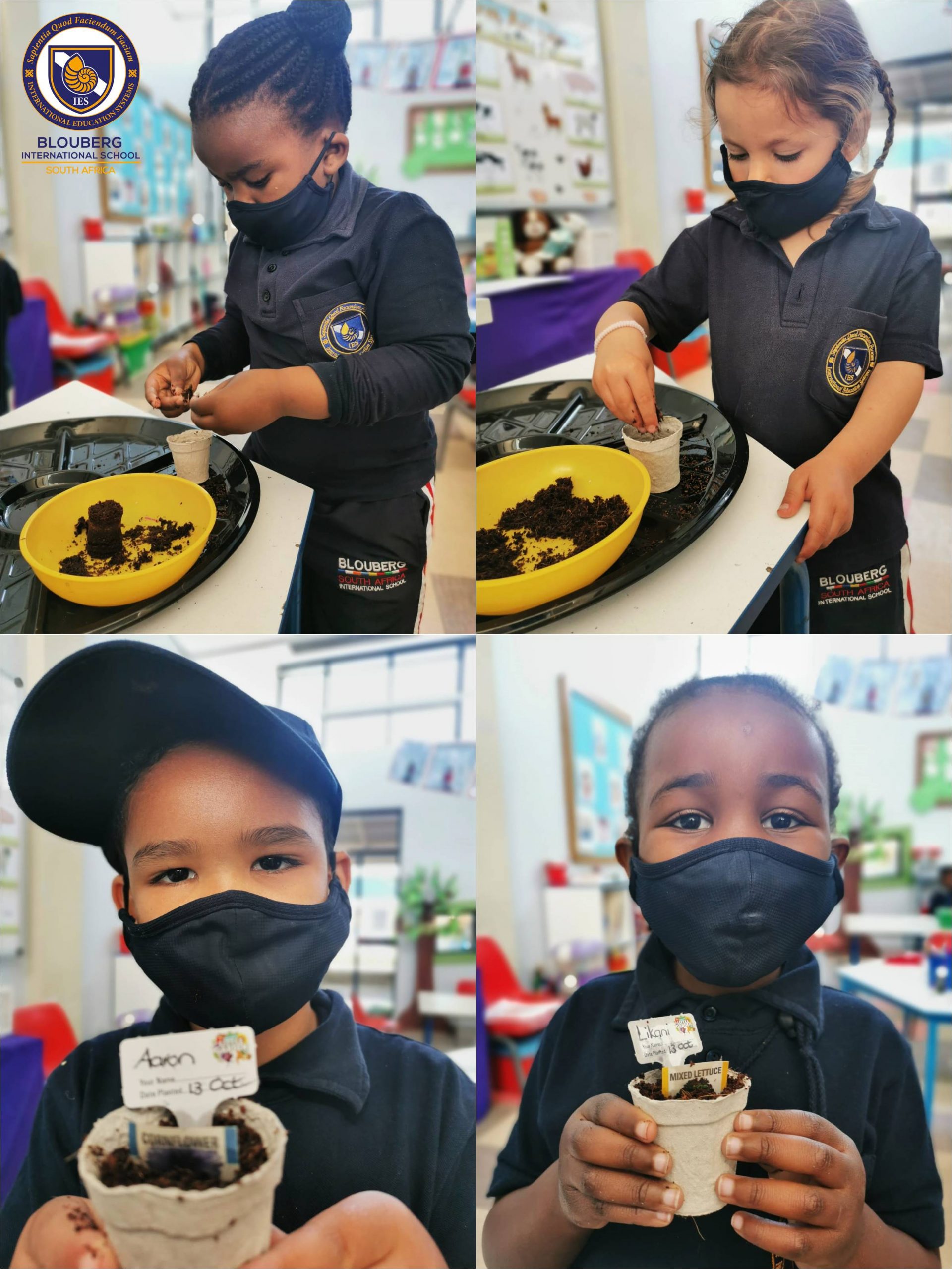
The students enjoyed the various activities planned around this theme especially planting some seeds in their own container and learning how to take care of the seedlings. They are very excited to observe their little seedlings grow.
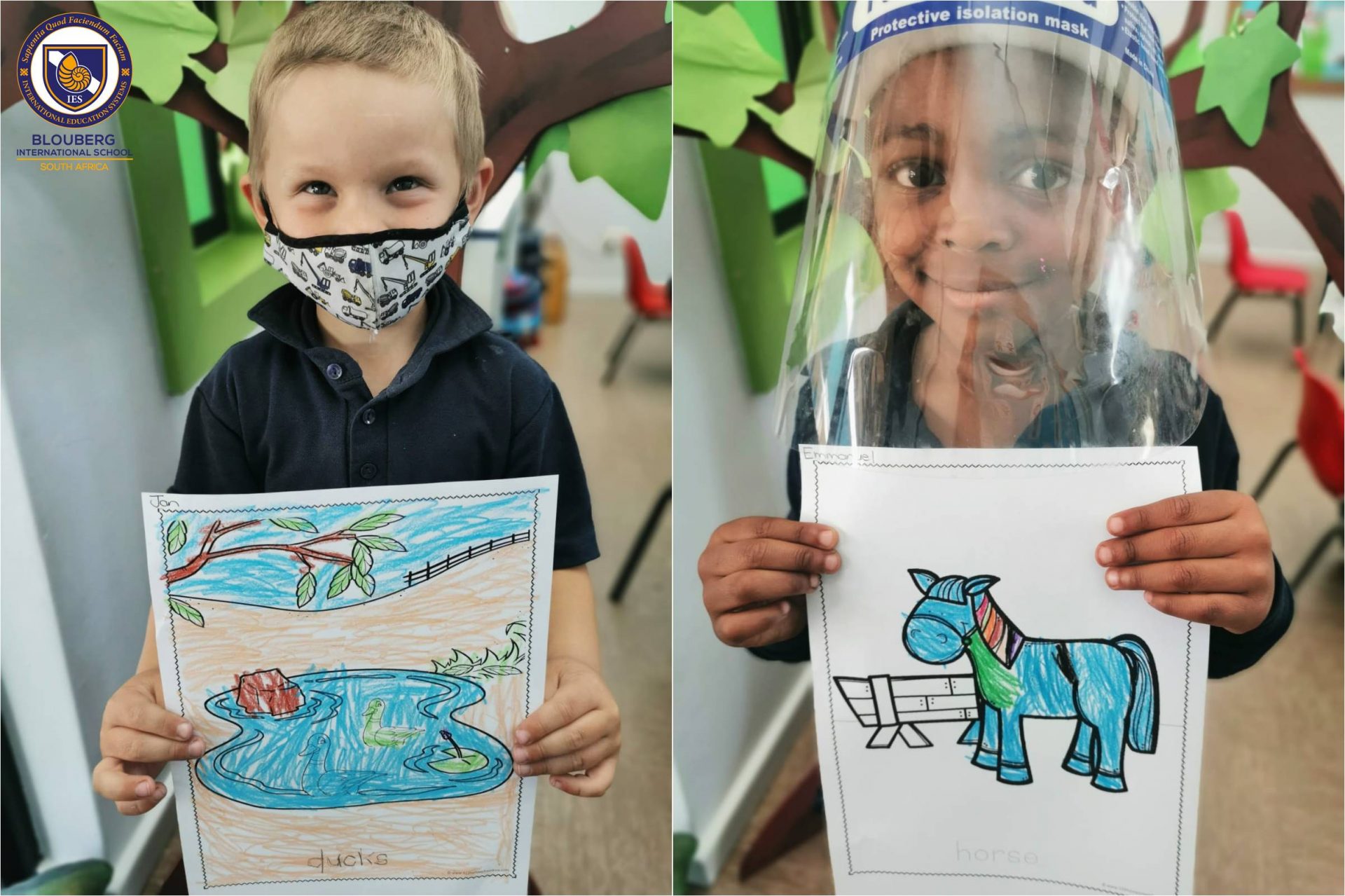
I asked some of the students what their favorite farm animals are and why. This is what they answered:
Larsen Fulton (4 years old) – “Sheep, because it is extra soft.”
Ori Monyai (5 years old) – “Horse, I like riding them and they go fast.”
Jan Pani (5 Years old) – “Turkey, they can be in the mountains and forests.”
Arye Shaik Mahomed (5 years old) – “Cow, because you get milk from a cow and I drink it.”
Ingelam Mabona (4 years old) – “Piglets, are cute and splash in the mud.”
Juliet Cronje (4 years old) – “Dog, because it is so nice and fluffy.”
Jadey Howes (5 years old) – “Sheep, when I feed them they are so soft when they eat their food.”
Don Mwenda (5 years old) – “Horse, they go super fast!”
Aaron April (5 years old) – “Dog, we have a dog at our house.”
Naleli Tsietsi (4 years old) – “Cow, because it is my favourite.”
Cindy Nunan
Pre-Reception Teacher


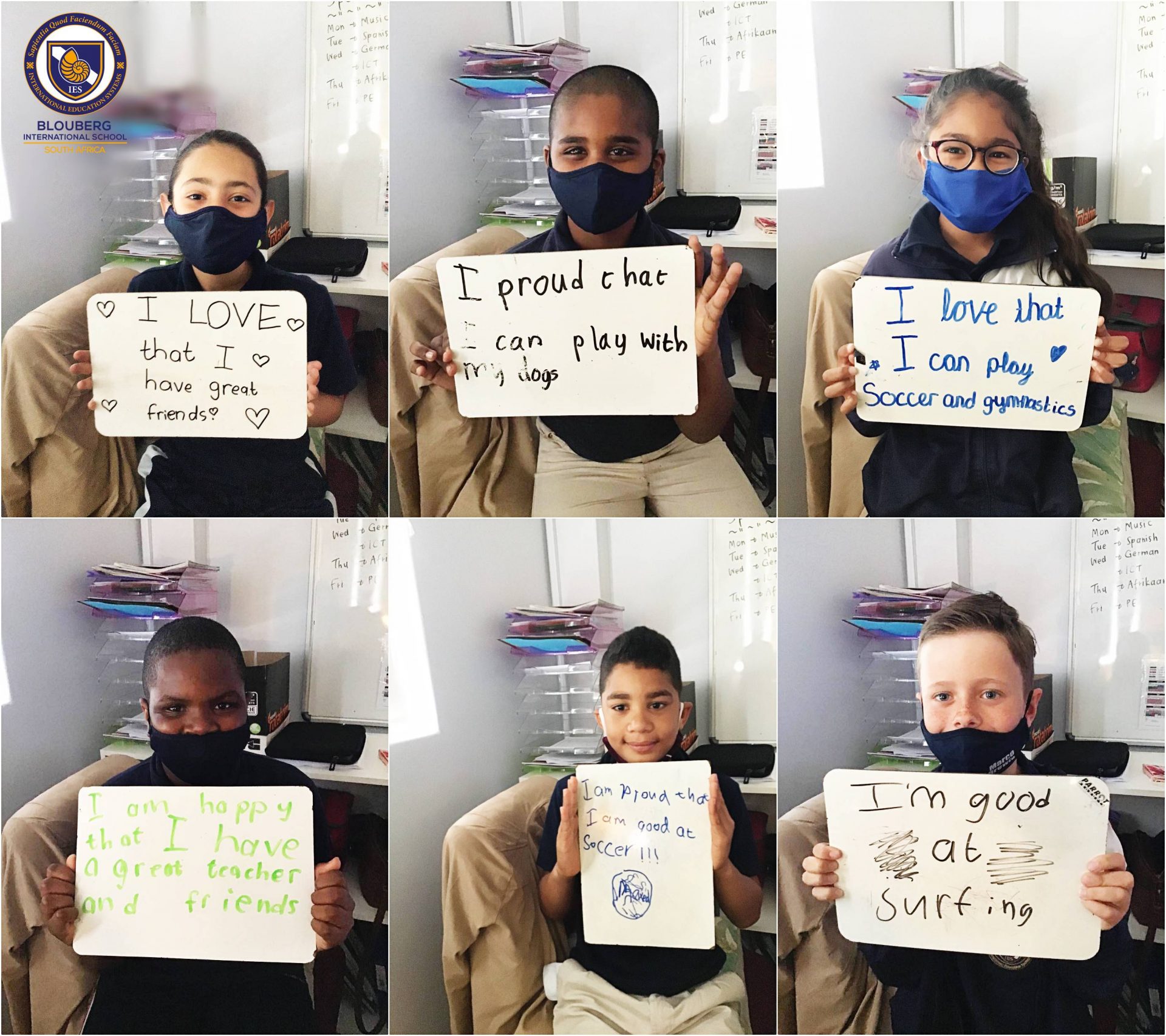
Be Kind To Yourself!
“If you have good thoughts they will shine out of your face like sunbeams and you will always look lovely.” – Roald Dahl
It’s that time of the year again where tests and exams are starting. Sometimes it’s easy to get caught up in the pressure we feel as parents, teachers or students. We all want our children, students and class to do well, but it can be an extremely stressful time which makes it very easy to self-critique.
Do you ever catch yourself talking down to yourself? I know I do. We often motivate, encourage and compliment others – we should do the same for ourselves! Being your own best cheerleader is a much better choice than being your own best critic. When negative thoughts about yourself come into your head, quickly refocus to a positive thought about yourself. See your strong points and be proud.
According to the blog ‘Coffee Cups and Crayons’, figuring out how to be kind to yourself is trickier for children than it is for adults. Encourage your child to really think about things that help fill them up inside, not just 5 fun things they like. Talk aloud things you’ve noticed to help them start thinking in the right direction. Say things like, “I notice how happy and peaceful you get while you are colouring.” or “Dancing really brings a smile to your face.”
Older children may struggle with this even more. Life gets pretty busy for them and they may not know at first what they can do to be kind to themselves. Give them a day or two to brainstorm and “try out” some ideas to see what resonates.
5 Simple Ways To Be Kind To Yourself for Children:
- Find something you love. Whether it’s a passion for football, baking, running or reading – engaging in a fun hobby can be one of the kindest things we can do for ourselves.
- Talk about the good things. Ask each person in your family to say one good thing about their day. This helps us to identify and focus on positive experiences from the day.
- Lend a helping hand. Helping others can be a great way to show kindness – and it can make you feel good too! Help your little brother get dressed, clean up your books, help mom wash the dishes or set the dinner table.
- Be kind to your body. Eating healthy foods, like fruits and veggies, and being active by riding bikes, kicking a ball or playing on the playground are all ways to show our bodies kindness. Getting lots of sleep is important too.
- Encourage yourself. Go me! It can be easy to say unkind things about ourselves when we make a mistake or do not do well on a test. Instead, try saying encouraging things like “At least I won’t make that mistake again!” or “I just need to keep practicing and I’ll do better every time.”
Year 4 Teacher

Jolly Phonics Fun
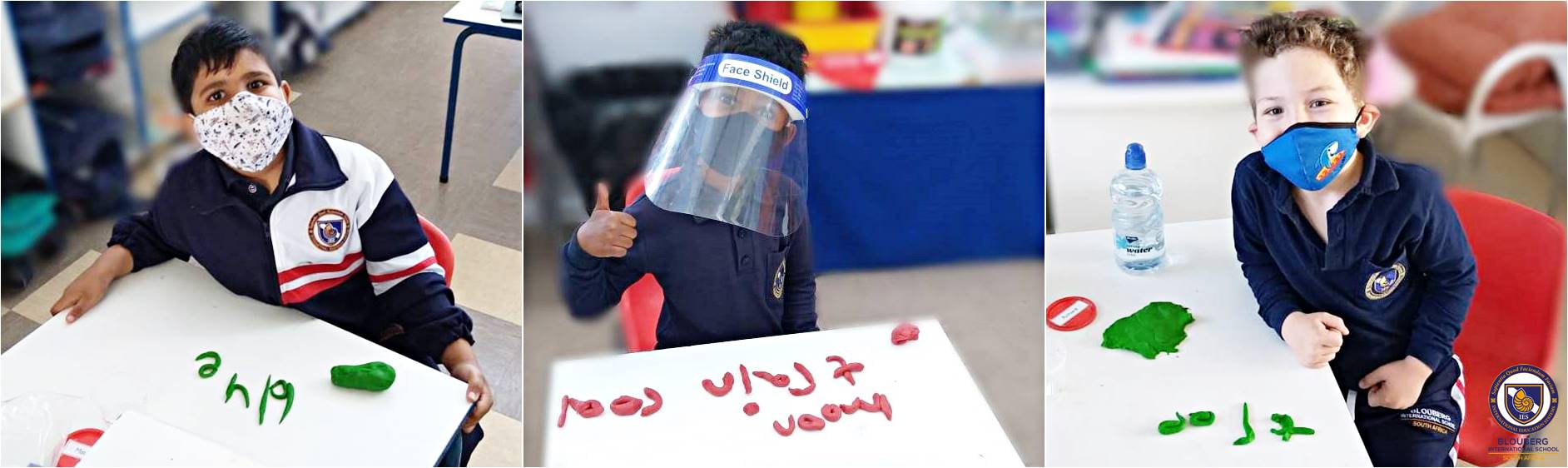
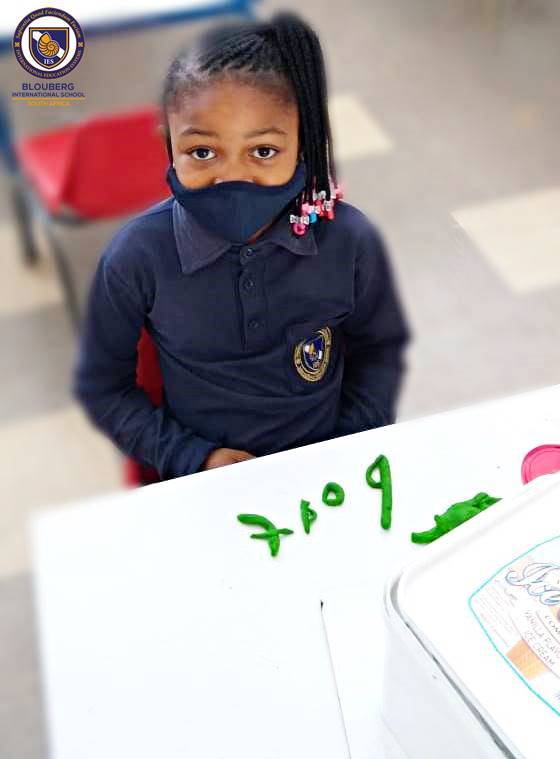
In Reception Year we had lots of fun making play dough words to recap on our knowledge of the blended letter sounds. First we went through some letter sounds on the board and thought of some words with a particular sound in it. We then sounded out each word and wrote them on a white board. The teacher drew a picture of each word on the board from the words we had previously written. We had to use our memories to try and make the word for each picture out of play dough.
It was so much fun and we couldn’t wait to pose for a photo so that we could share the fun we’d had with everyone.
Bronwen Nuthall
Reception Year Teacher

The Final Week of Term 3 And A Special Thank You
One cannot help but wonder what happened to Term 3… the days and weeks have flown by so quickly. On Tuesday, 15th September 2020, we held our online Valedictory Service in which we celebrated the Year 12 class of 2020. The challenges of the recent months have perhaps been most taxing for the Year 12 class, and we recognise their resilience and determination. Congratulations to all the prize winners as well as our newly elected Student Representative Council.
Lastly, I want to express my sincere gratitude to you all. I want to thank each and every student, parent and teacher for all the hard work and effort that was put into this term. Without your dedication and hard work this wouldn’t have been possible.
Please look after yourselves during this holiday and we are looking forward to welcoming you back to the last term of 2020.
Julian Harrison
Head of Academics High School
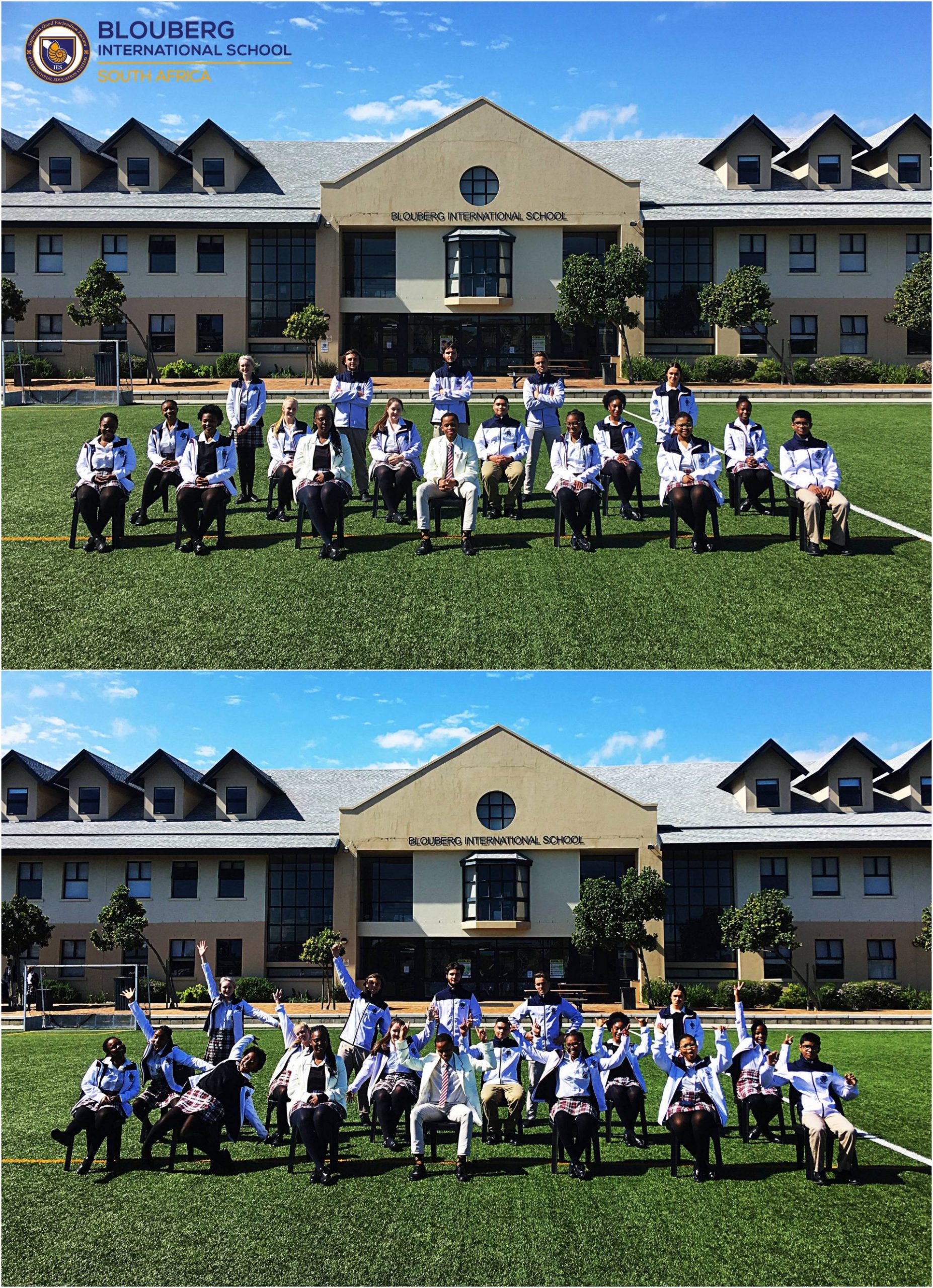
(Photo: Class of 2020! *Masks removed for photographs only)
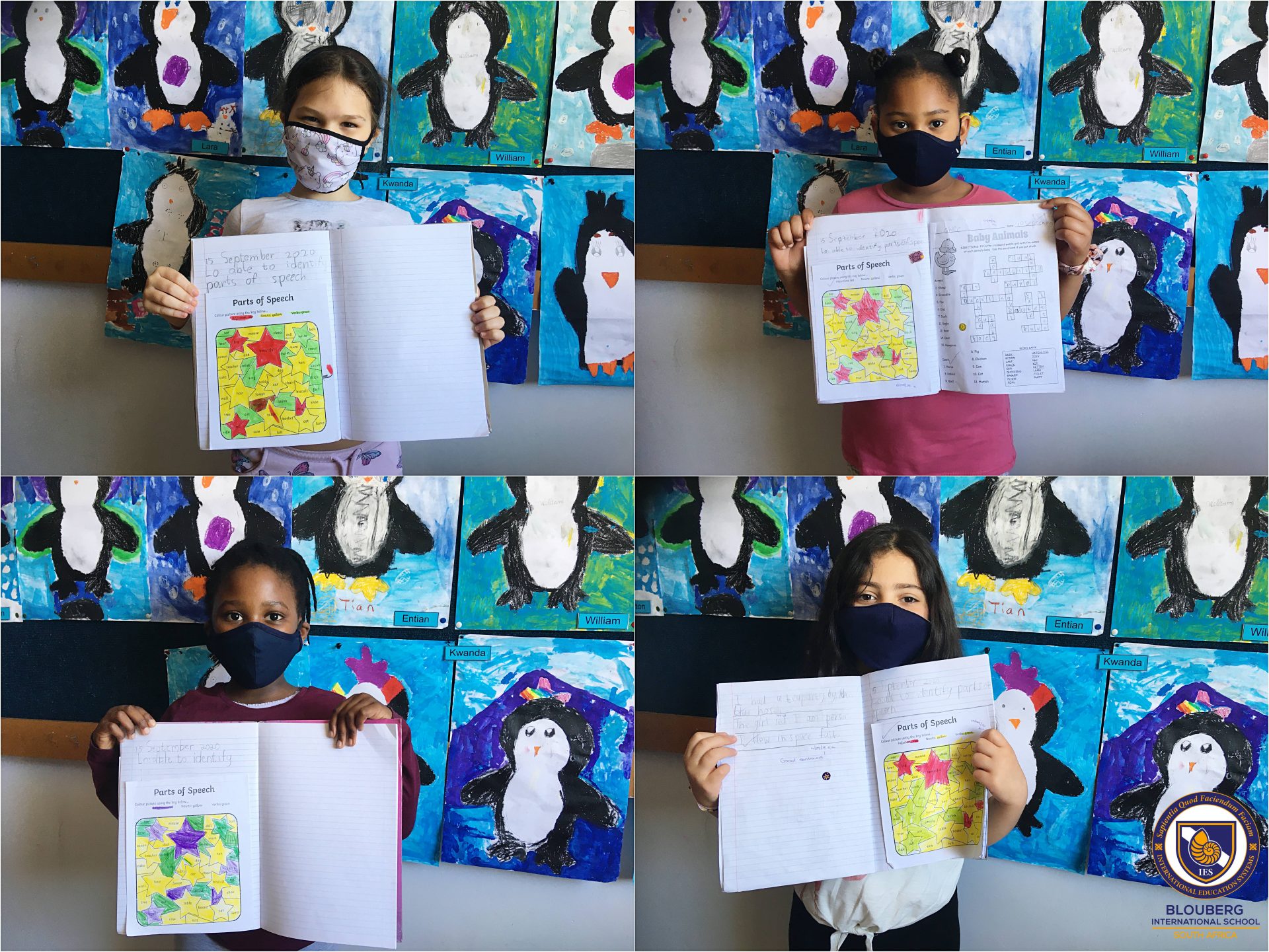
Is it a noun, or a verb? NO, it’s…
As a school student, I hated English Grammar. I mean, did we really have to know if the verb was in the past simple tense, if it was an irregular verb or an auxiliary verb? Then there is the question of definite and indefinite articles. Most of the children who have been in my class, will tell you that Mrs. Coetzer says “English is a crazy language: For every spelling rule, there is an exception. What about two sounds which sound the same but are spelled differently? Then there is the matter of homonyms and homophones.
In all sincerity, English is one of the most difficult languages to learn and yet it is used universally, and we use these parts of speech without even realizing it.
Thankfully, the grammar taught in Year 2 is still fairly simple. To explain the importance of learning what a noun is, I asked various students to me bring me a ‘thingy’. Obviously, they were totally confused and kept bringing me different items in the classroom, with me rejecting each one. They caught on quite quickly and asked me to name the items I wanted. I tried another experiment and read them a story, leaving out all the adjectives and adverbs. They all agreed, it was a boring story. After I read it again, with the adjectives and adverbs, they told me they could imagine the story in their heads.
So, it appears that these parts of speech do play an important role in the English language, after all. As I always tell my students, we need to paint a picture with our words.
Kim Coetzer
Year 2 Teacher
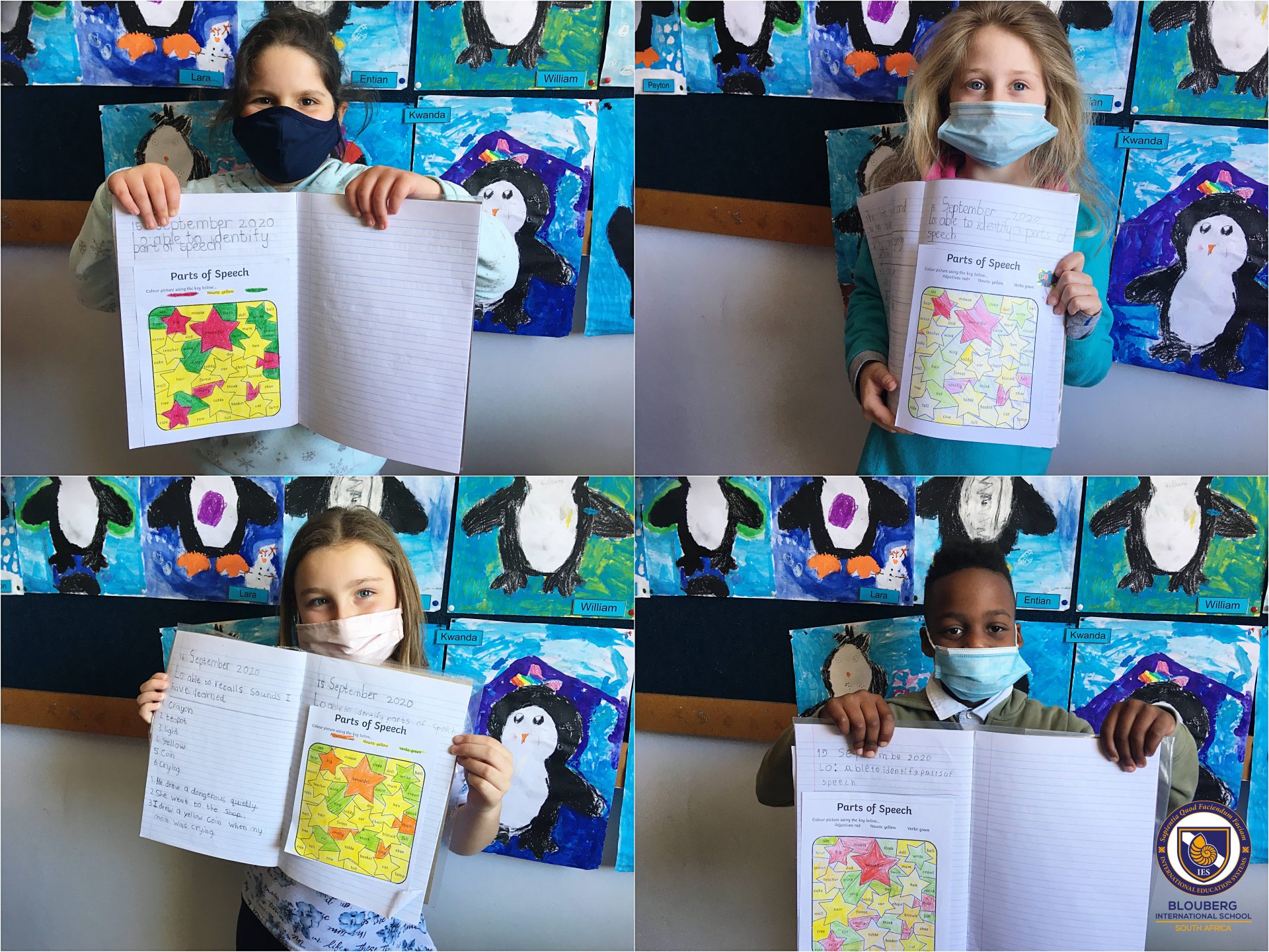

Nursery Creepy Crawly Fun
The Nursery class had so much fun learning about Creepy Crawlies and loved discovering and exploring the Creepy Crawly world.
This week:
- We learned about spiders, whilst enjoying singing “Incy Wincy Spider”.
- We also discovered that caterpillars turn into butterflies! We enjoyed reading the “Very Hungry Caterpillar” at story time.
- A great class activity was finding different insects hidden in the sand during their Sensory play this week and trying to name them all.
- For Art we made Butterfly handprints! They found it so funny and exciting to have their hands painted.
- We also enjoyed going for a walk out in our special garden to find insects.
Nursery Teacher
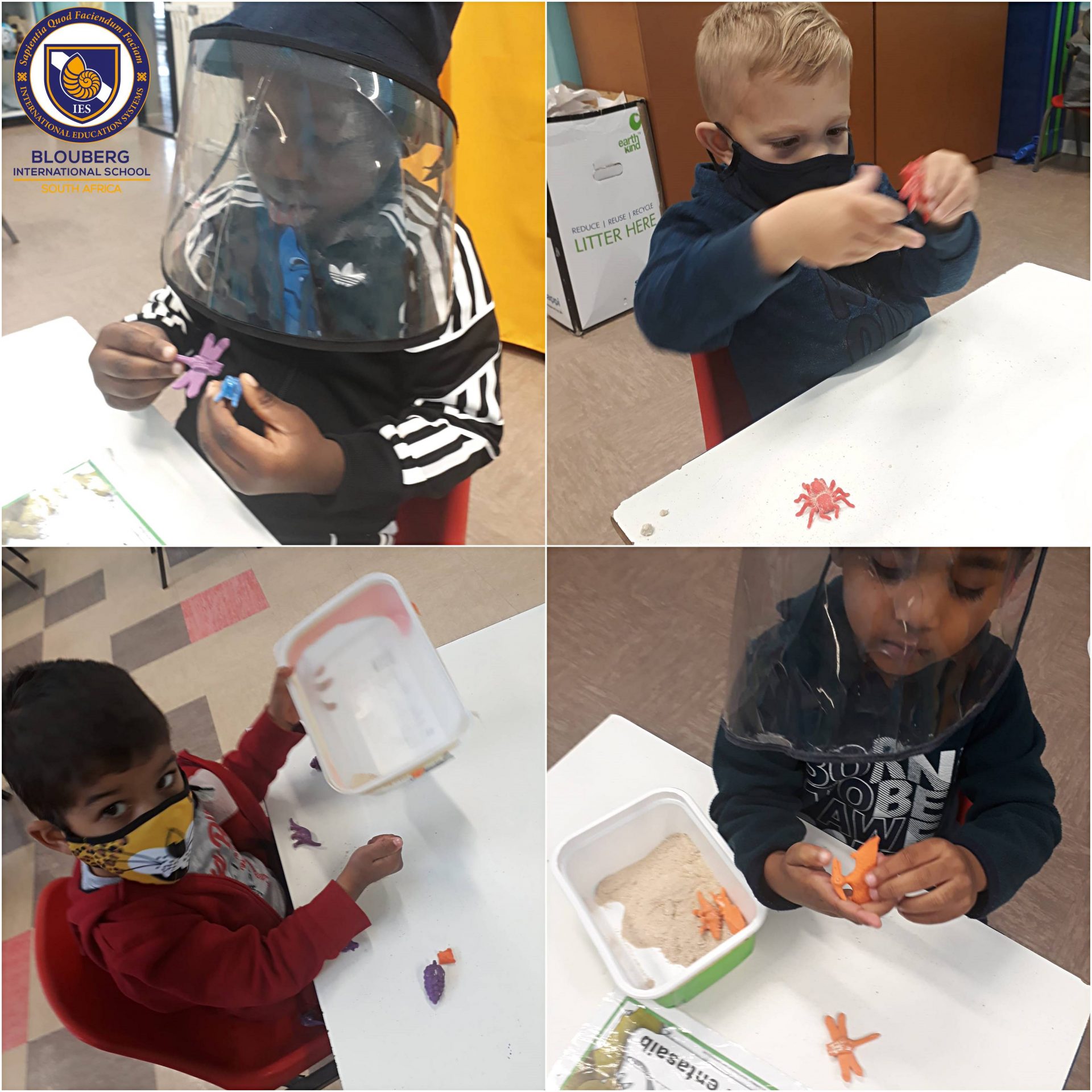
From the German Classroom – Hallo BIS!
*Wir lernen Deutsch zusammen! Das ist einfach wunderbar! *(We are learning German together! That is simply wonderful!)
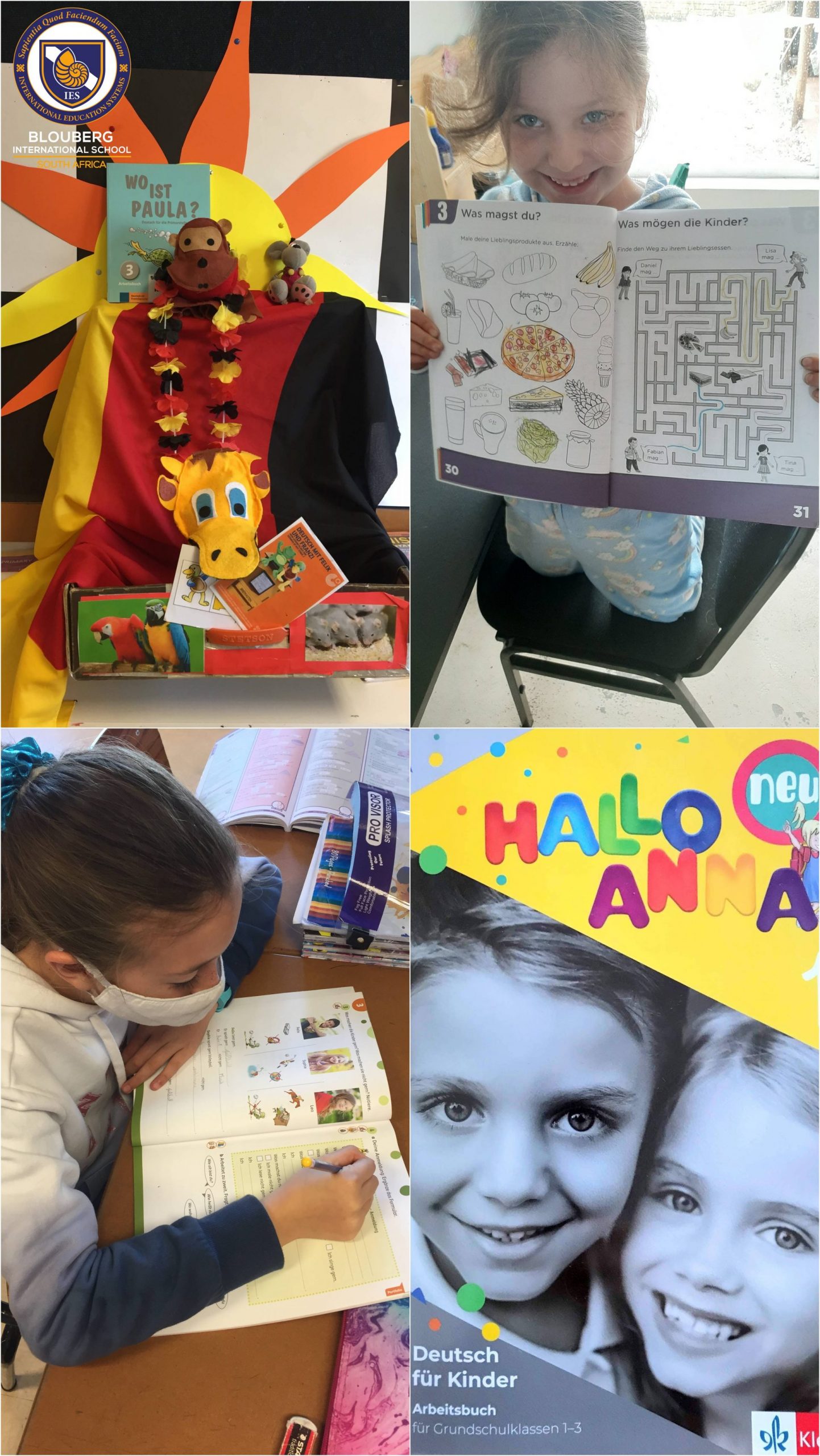
In January this year all the students were welcomed to German with a new workbook that is made up of a curriculum in the form of a programme that has age appropriate teaching materials specifically for German as a foreign language. These programmes are based on the levels from the Common European Framework of Reference (CEFR) which are “guidelines used to describe achievements of students of foreign languages and provide a method of learning, teaching and assessing which applies to all languages in Europe’’. The CEFR levels are for grading an individual’s language proficiency focusing on the areas of understanding (listening & reading), speaking (spoken interaction & production) and writing skills.
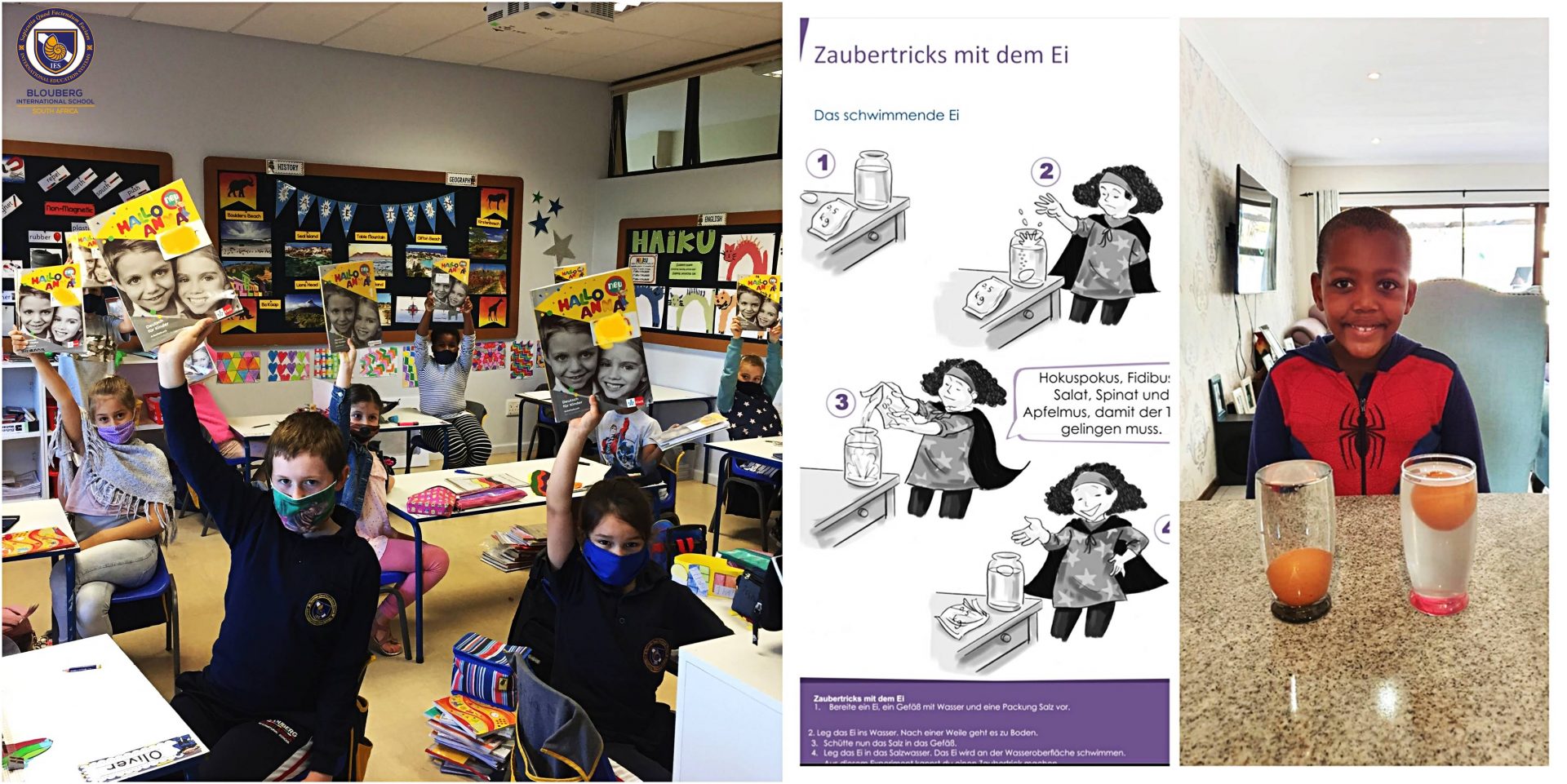
In Year 1, 2 & 3 we started the Hallo Anna workbooks, a Level A1 (CEFR level) introduction for ages 5-9.
This edition is specifically for children who are learning to read and write an additional language other than their mother tongue or 1st language. Therefore, it gently introduces German as a foreign language and concentrates on learning German mainly through listening and speaking in Year 1 and then the skill of reading and writing are gradually introduced in Year 2 and progress in Year 3.
These skills are taught using various methods including songs, comics, audios, experiment and a colourful workbook with lots of creative ideas.
The students are taken on an adventurous and exciting journey with the 2 main characters Anna and her friend Benno in the city of Munich in Germany.
These adventures take place at school in the classroom, with topics including my greetings, my day, my likes, my classroom and stationery and at home with my family and celebrations in Germany. The students enjoy seeing the characters come alive in the workbook and the interactive online programme I use in class.
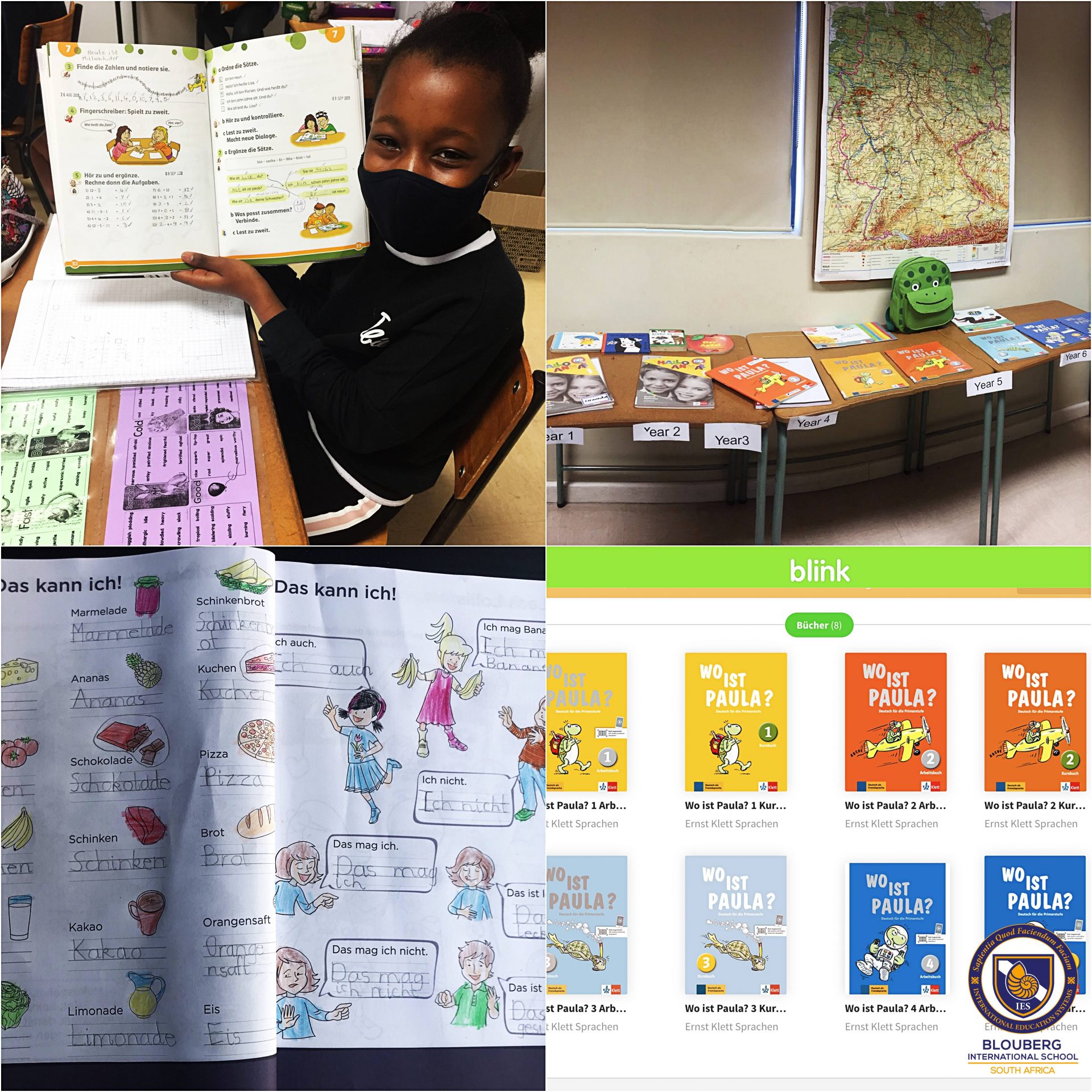
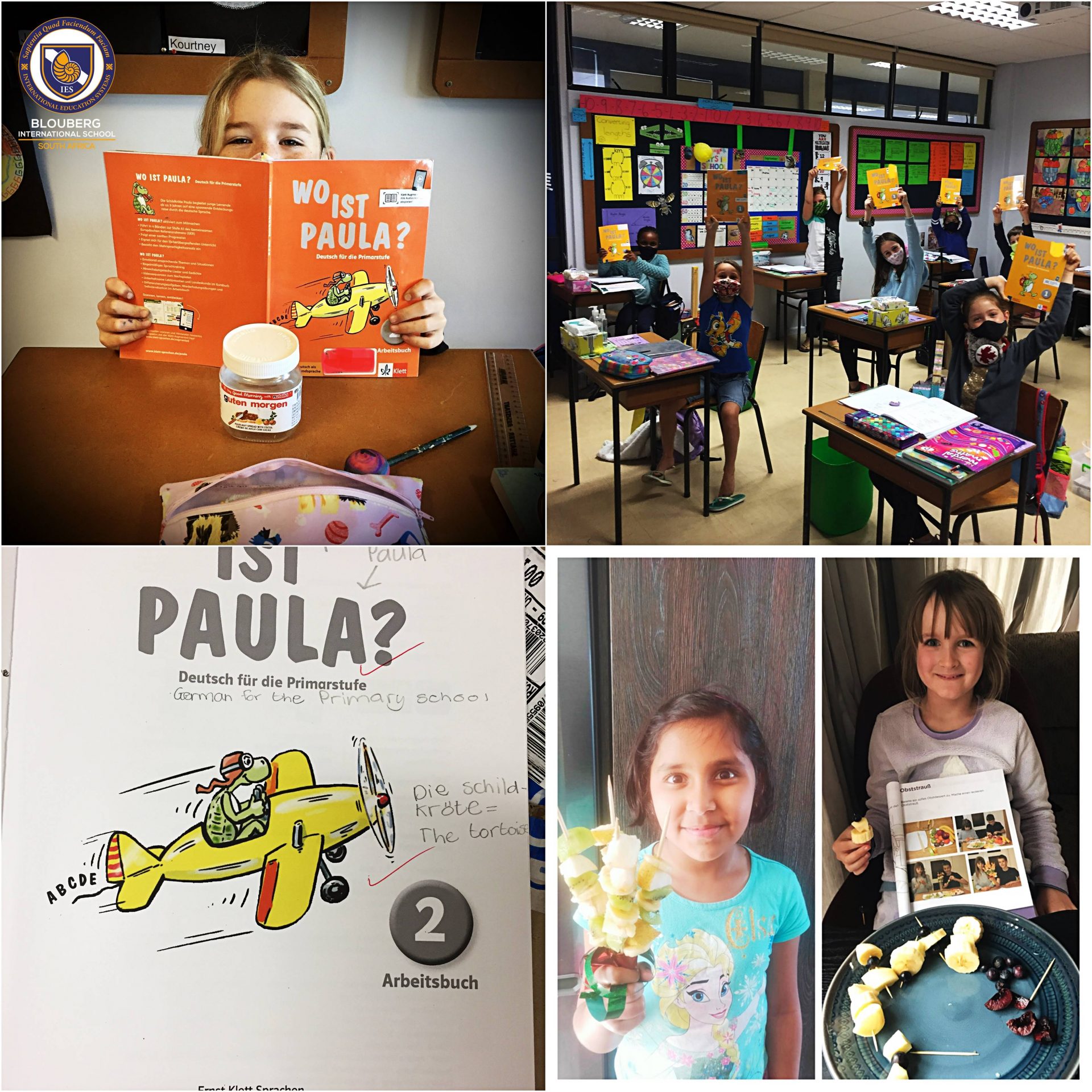
In Year 4, 5 & 6 the students were introduced to the Wo ist Paula (Where is Paula?) range of workbooks and programme.
It has especially been created for the over 9-year olds and has a progression from book 1-4 to acquire the Level A1 (CEFR level) and then allowing for an easy transition into High School (Year 7) and the Cambridge curriculum.
The programme is set up to motivate participation using interdisciplinary teaching across subjects and a multilingual approach, perfect for a school with an international perspective.
It includes language training and vocabulary, various topics, songs, videos, learning about Germany and Europe, it has differentiation tasks for extension learning, revision and the students have opportunity for self-evaluation to see their progress.
The students have been introduced to using the audios to improve their listening and speaking skills at home anytime via CD, downloads or an app. I use the Blink digital educational platform to show the videos, audios and pages from the coursebook and workbook in class.
The students in Year 4, 5, & 6 are on a journey with Paula the tortoise with various topics including: answering questions about myself, name, age, where I live and come from, my family, my classroom, stationery, my hobbies, telling the time and what I do in my day.
“With 100 million mother tongue speakers, German is the most widely spoken language in Europe. A new survey has shed light on where people are learning German around the world. Some 15.4 million people are learning German as a foreign language all over the world” and you the students at Blouberg International in Cape Town South Africa are very much part of this growing number.
*Deutsch ist cool und genial! Deutsch ist International! *(German is cool and awesome! German is International!)
*Song lyrics from the Hallo Anna programme. See the Year 2’s singing the song Hallo Anna Hallo Benno filmed in Term 1.
Auf Wiedersehen, bis bald!
Frau Kerstin Pani
German Teacher Primary School
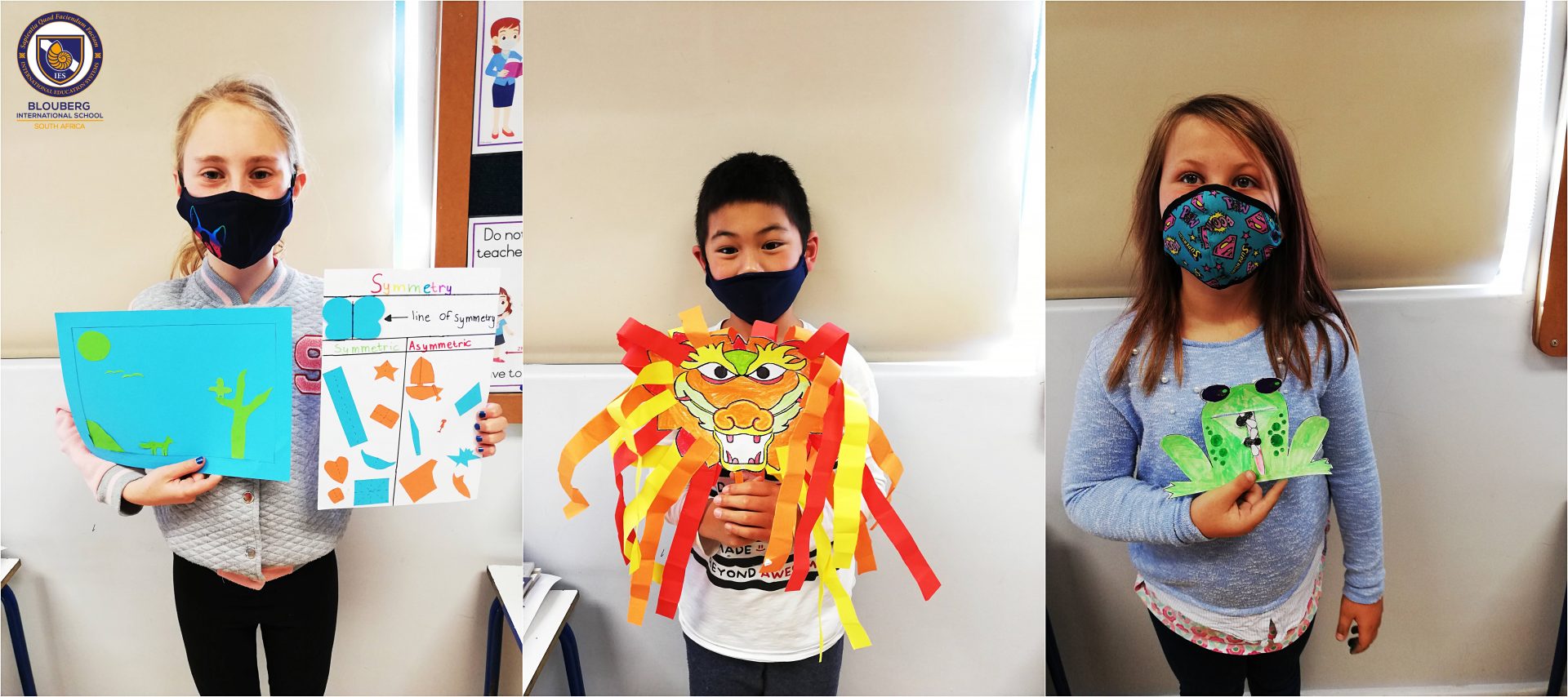
Year 3 Creating Masterpieces!
The year 3 classes have worked very hard over the last few weeks to interpret symmetry and its relevance to adventure. After being able to apply the concept they created perfectly symmetrical frogs and beautiful tessellation patterns.
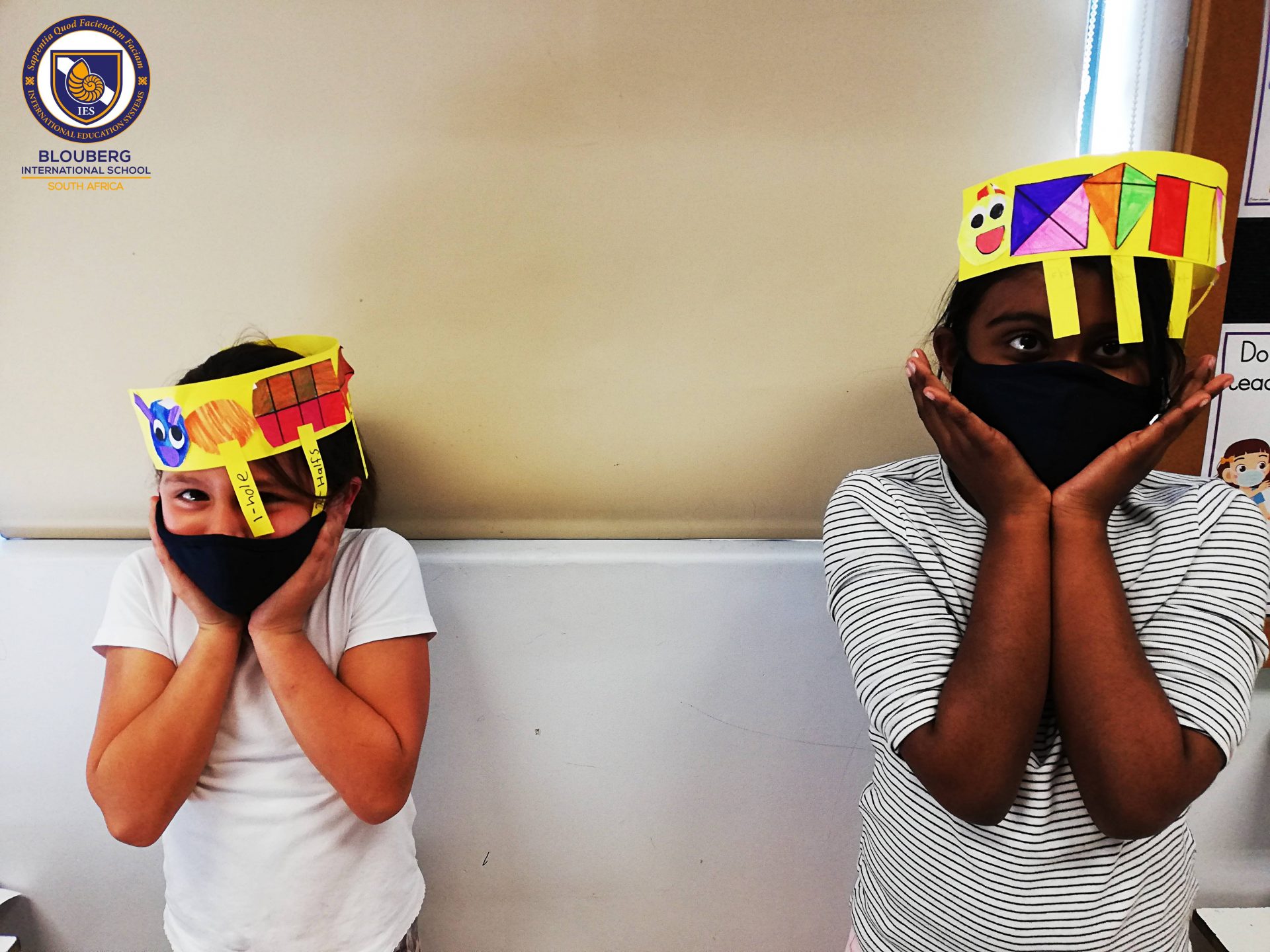
The year 3’s also created beautiful Chinese Dragons, silhouettes and the cutest caterpillar hats that displayed their knowledge of fractions.
The bright colors and exciting projects has given Spring a warm welcome!
Sasha Rajah
Year 3 Teacher


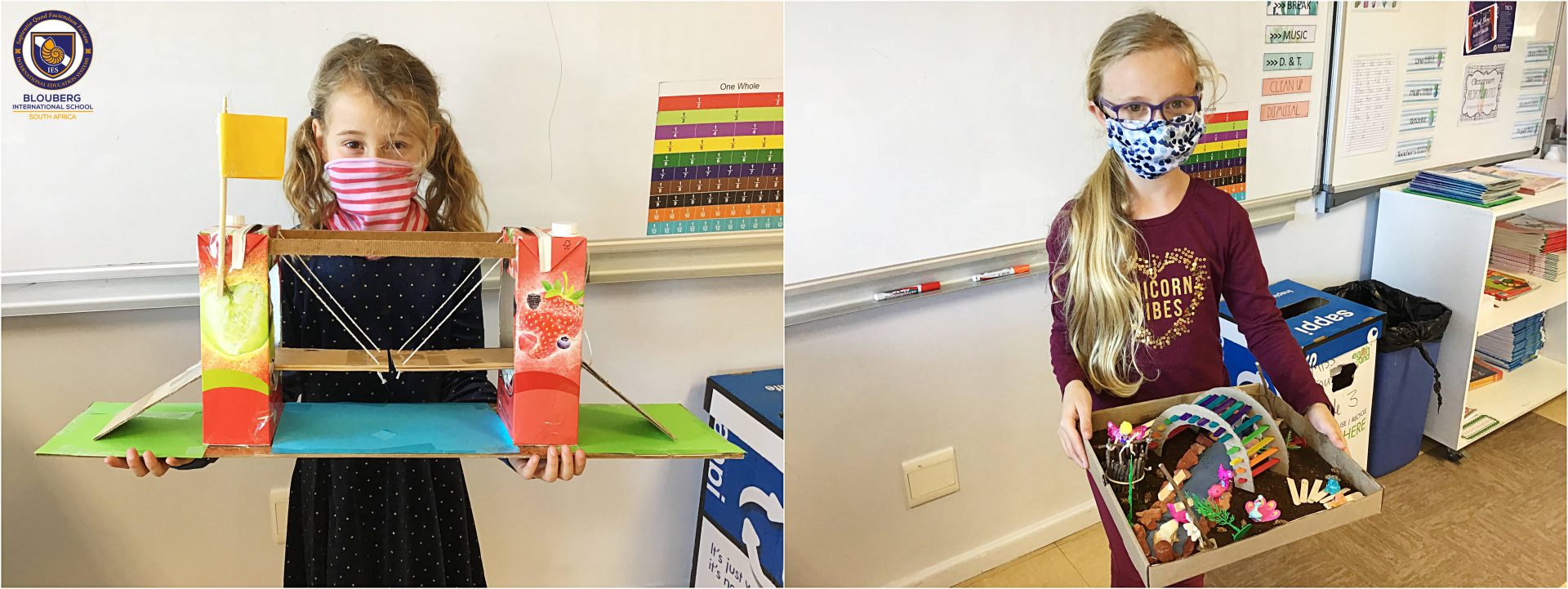
Marvellous Bridges!
The students were given a few weeks to brainstorm, collect recyclable materials and plan how exactly they will be assembling their bridges.
Recently, the students made their bridges and arrived with many interesting and creative materials as well as ways of building their very own bridge.
The Year 3’s have been waiting eagerly in anticipation to show their families their brilliant designs and imaginative bridges.
Alexia Holmes
Year 3 Teacher

Dinosaur Art In Reception
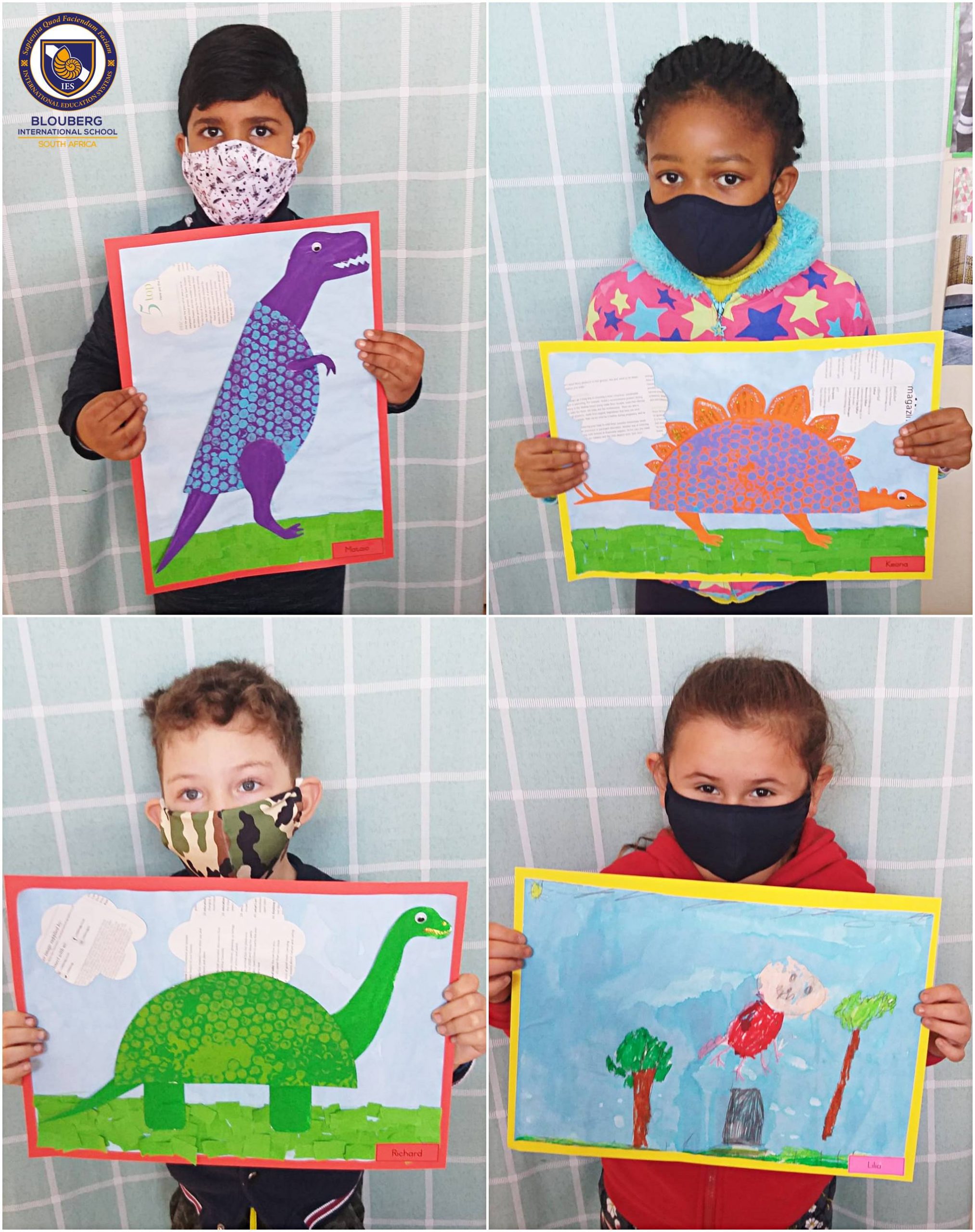
We have been learning about dinosaurs in Reception and the students have thoroughly enjoyed learning about this theme.
In art we used paper plates to make different kinds of dinosaurs and also had fun drawing our own dinosaurs in pastels.
We have been listening to dinosaurs songs daily and most of the students already know all the words. If your child also loves dinosaurs they would enjoy the educational songs about various dinosaurs from Story Bots. See the links below:
https://youtu.be/SZzPLdAWKOE
https://youtu.be/GOR4YDdY9dk
https://youtu.be/KECKqtKZXEE
https://youtu.be/SZzPLdAWKOE
https://youtu.be/SZzPLdAWKOE
https://youtu.be/SZzPLdAWKOE
Bronwen Nuthall
Reception Teacher