Skeletons in Year 4
The Year 4’s have been learning about Skeletons in Science. We have covered what skeletons are made of, why we need a skeleton, how muscles help us move and many other interesting facts.
Did you know that there are 206 bones in the human body?!
The students were always enthusiastic and willing to take part in the lessons and came to class full of questions. They took part in the “bend a bone” experiment which involved the leaving a chicken bone in vinegar for a few days. It was very exciting to see what happened to the bone at the end of the experiment, however we all were delighted to get rid of that “wonderful” vinegar smell in their classrooms!
The Year 4’s also built their own skeleton puppets out of recycled materials. So much effort was put into this, they really impressed their teachers. The students’ innovative abilities really shone through here and it was so pleasant to see how well they worked as a class, always offering to help each other!
If you would like to find out more about skeletons, please speak to our wonderful Year 4’s!
“Creativity is intelligence having fun.” – Albert Einstein
Miss Brittney Hakime
Year 4 Teacher





Key Stage 1: IT’S ALL ABOUT SCIENCE
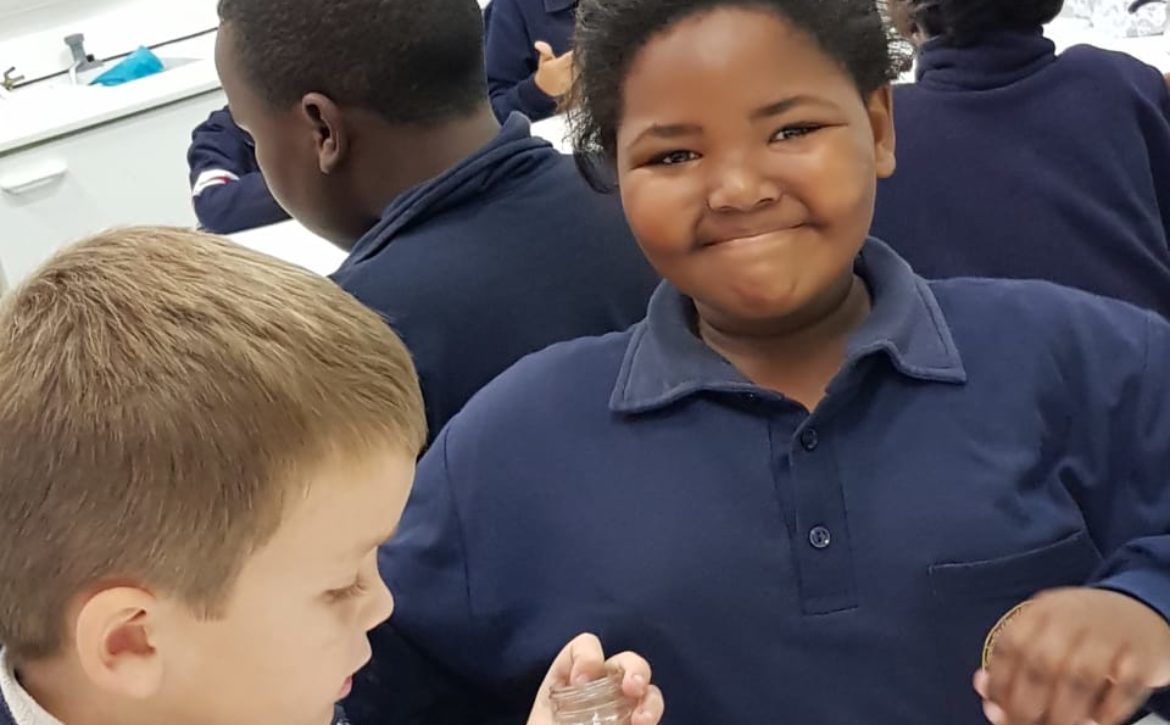
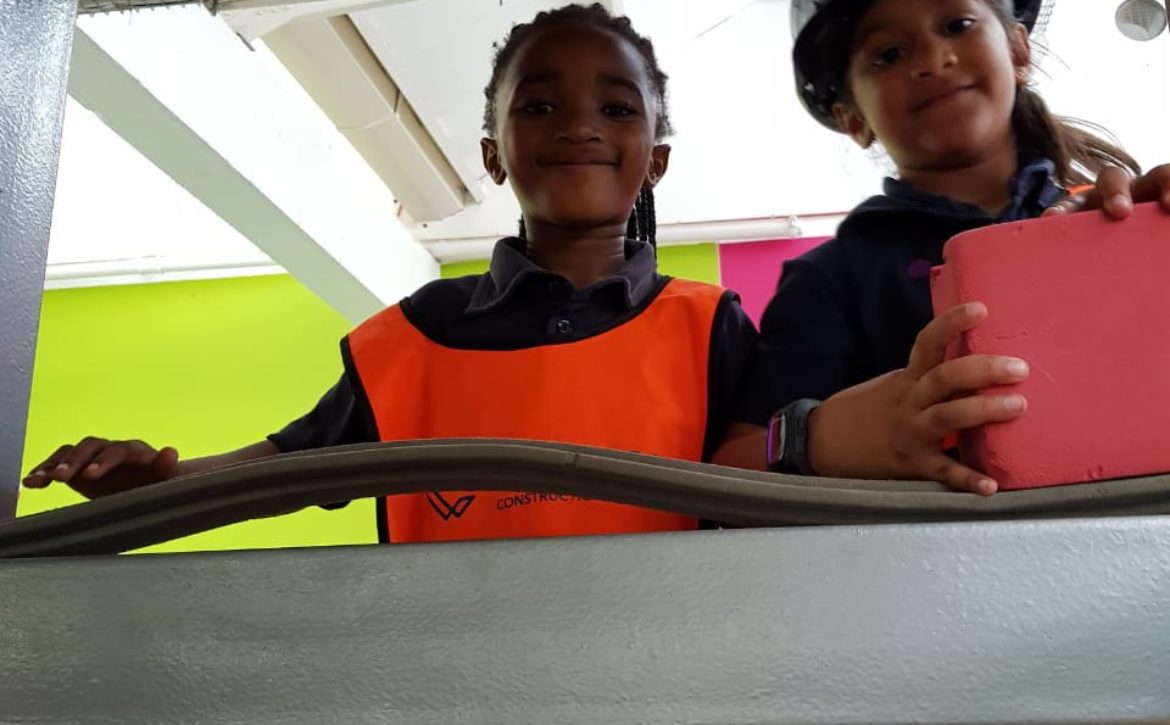
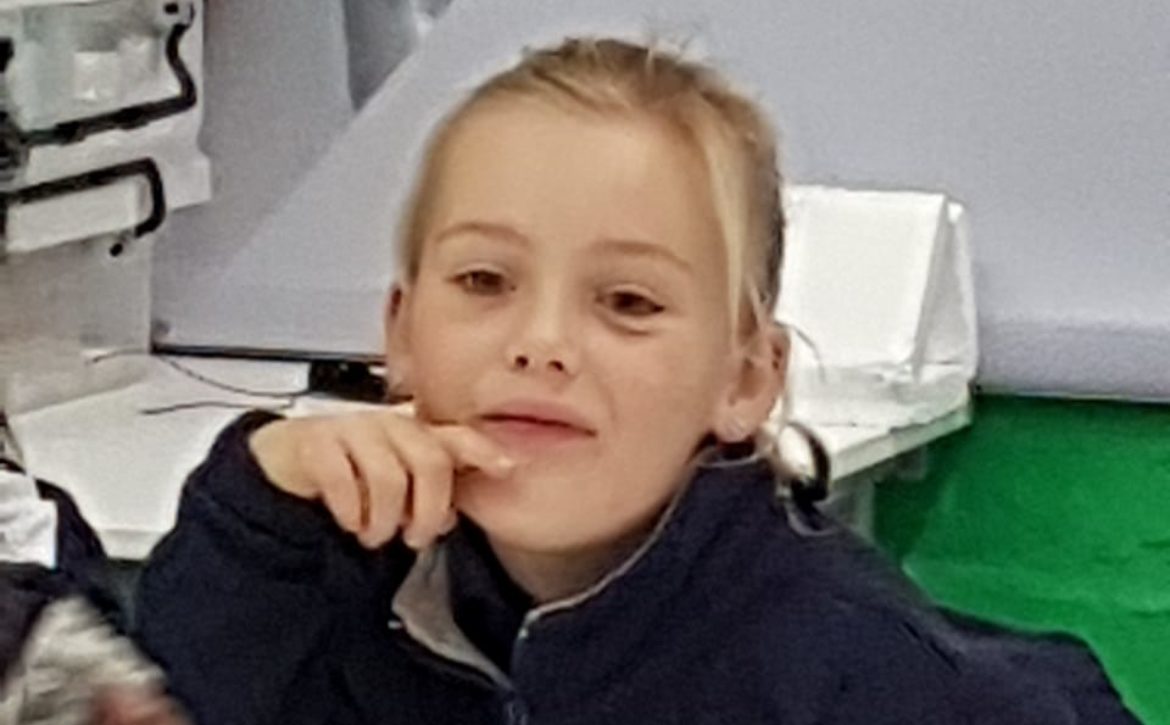
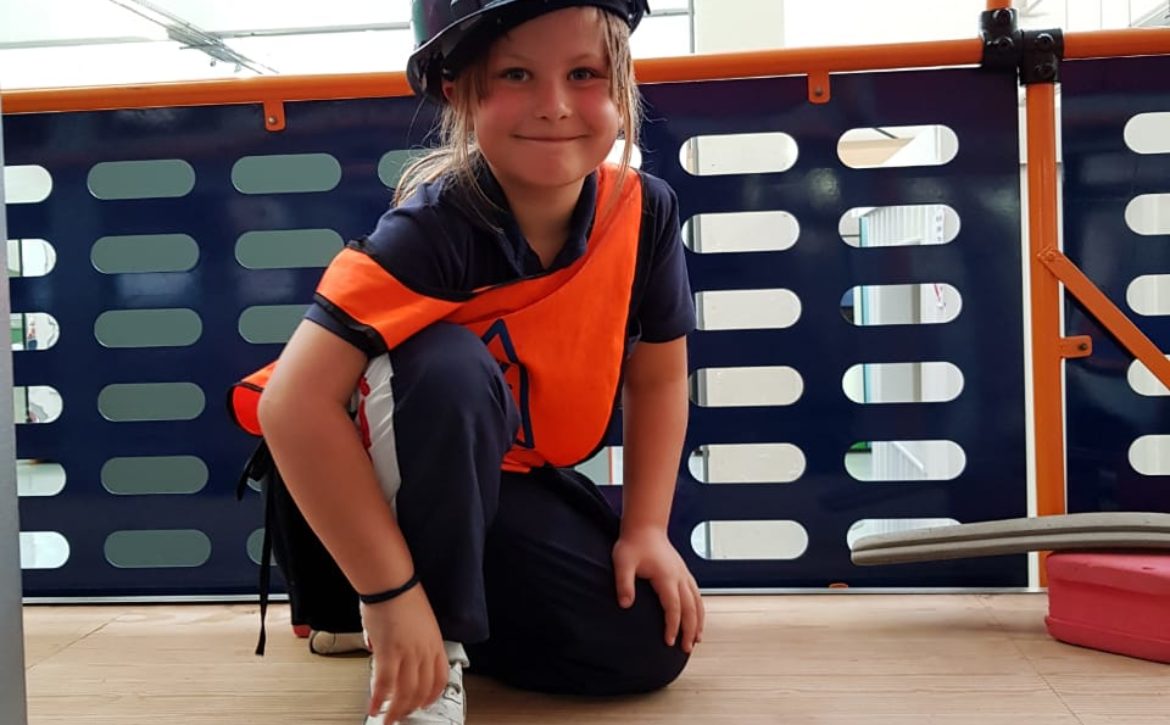
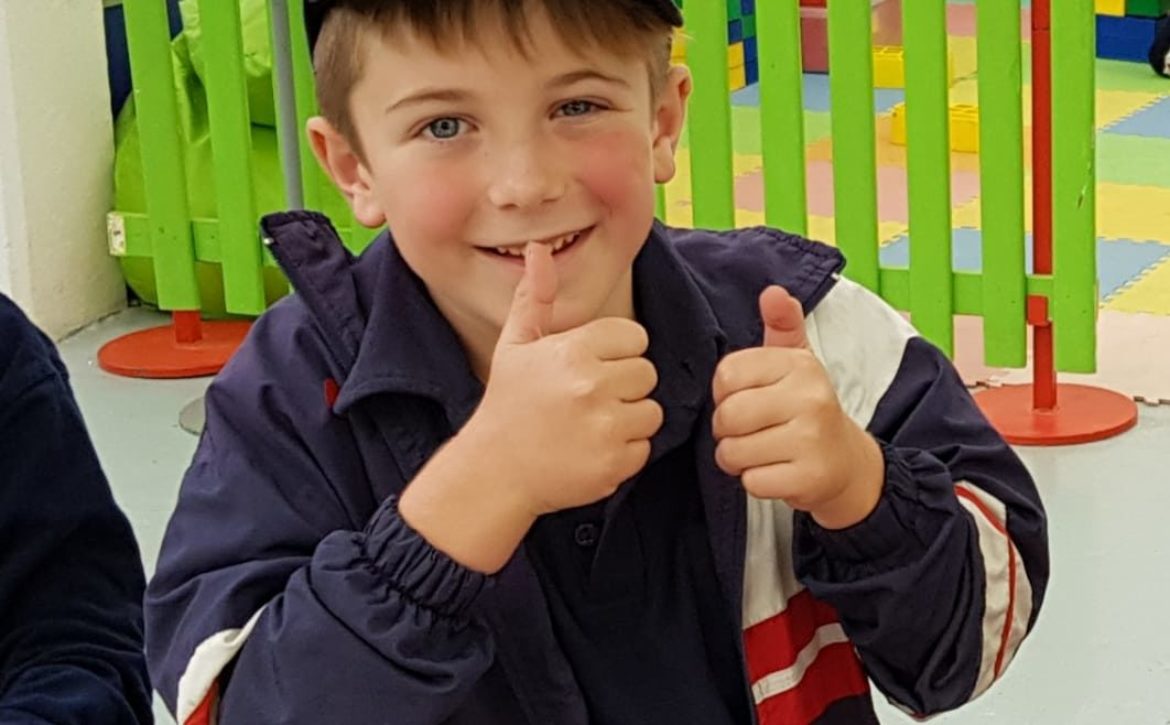
The year 2 students eagerly climbed into the bus for a science adventure. Although many had visited the Science Centre before, there were so many new things to see and experience, that they really enjoyed it.
One of the highlights was the Science lesson about ‘Changing Materials’. The students eagerly experimented with a sugar cubes (representing a rock), and found the cubes started melting when heat was applied.
The visit ended with a range of experiments conducted by the facilitators which both surprised and caused quite a few shrieks, as things exploded, flew into their air and lit up in the dark.
The general consensus on the ride home was that it was an exciting morning and thoroughly enjoyable!
Kim Coetzer
Year 2 Teacher
Planted in knowledge
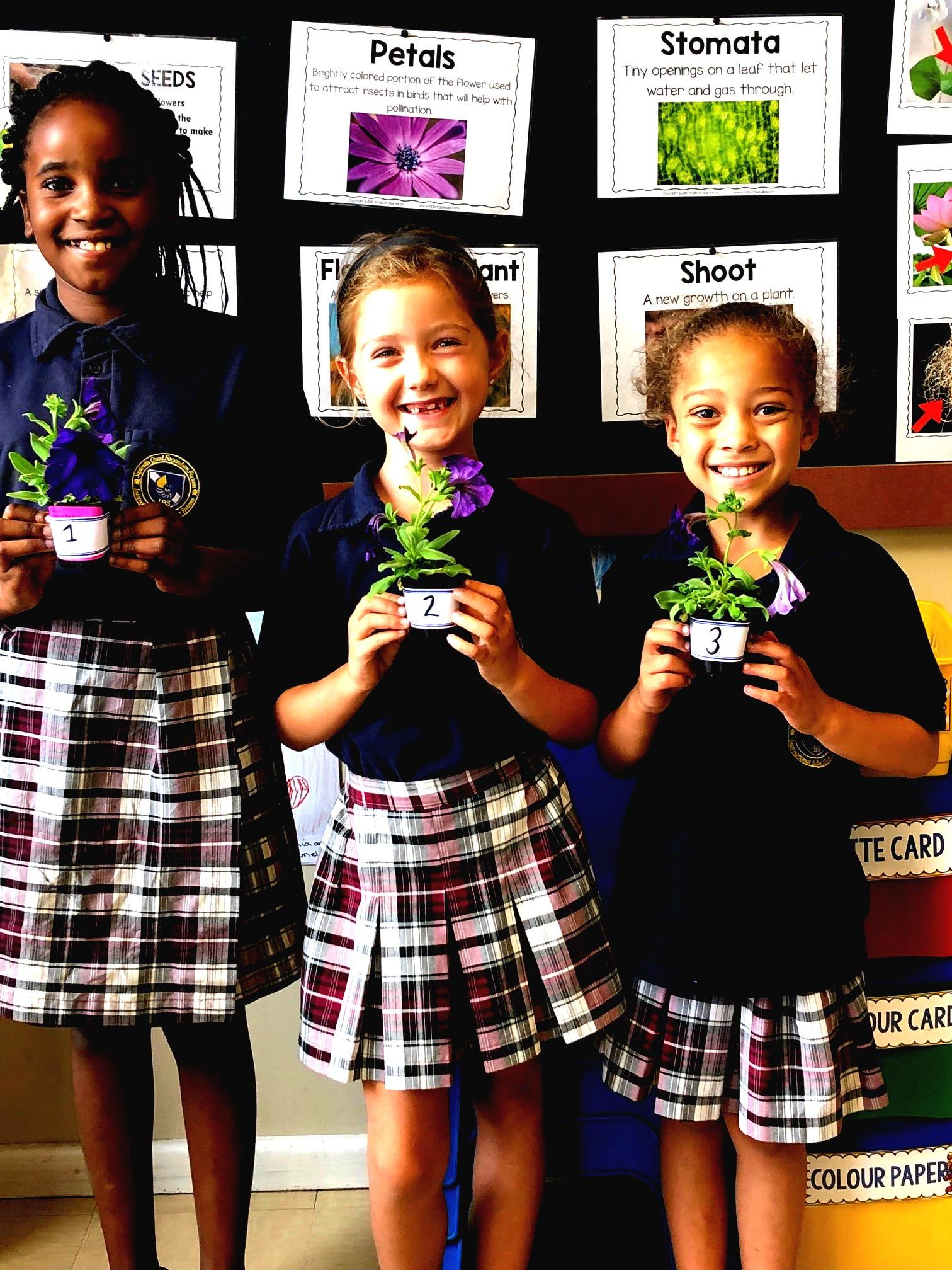
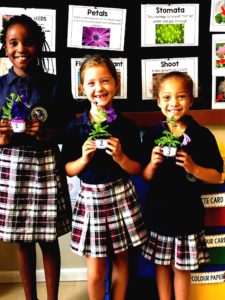
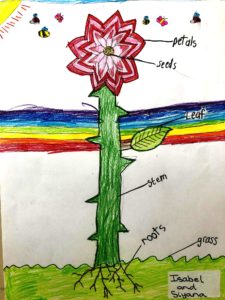
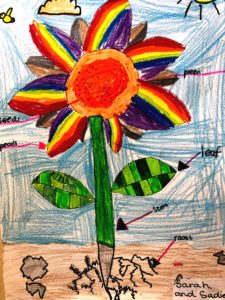
The Year 3’s are concentrating on Plants in Science. They are learning about the different parts of a plant, their functions and what they need to have healthy roots, stems and leaves. The students partnered up with each other to design, draw and label their own flower.
They also participated in various class experiments which included one with a white flower turning pink in order for them to understand the function of the roots and stems. Currently we are observing and investigating whether plants need water and light to grow and stay healthy. To date, as predicted, Petunia number 1 is thriving, while Petunia 2 and 3, through lack of water or light, are not doing so well.
After our experiment, we will have to work on our ‘green fingers’ to nurse our Petunias back to health!
Mrs Mandy Goch
Year 3 Teacher
Year 2 exploring methods of measurement
Children learn using a variety of different methods.
Some children learn using their visual or auditory senses. Others learn by practically experiencing a situation. Research has shown that children cope far better with abstract thinking, if they have first physically experienced and manipulated concrete objects.
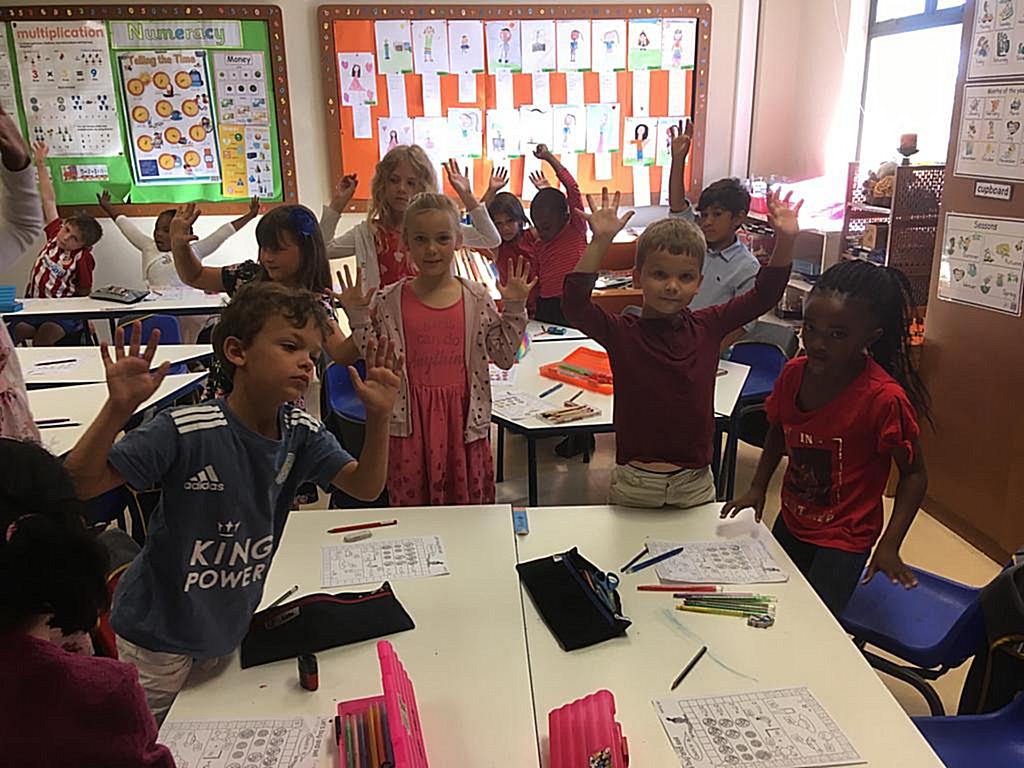
So, to that end, our Year 2 students participated in a measuring exercise, using their hand spans, forearms and feet as measurement ‘tools’. There was much excitement as they worked in pairs measuring objects in the classrooms and outside. They then cataloged their findings in writing, concluding that there were so many differences in the data they collected, that these non-standard units of measure would not be reliable.
One student mentioned that if he used the ‘hand span method’ to create building specifications for the height of the classroom door, the door to the classroom would be built too small. After all, his hands are smaller than that of an adult’s.
This experiment led us to the explanation of a standard unit of measure, which they all agreed was far more reliable!
Mrs Kim Coetzer
Year 2 Teacher
Read More

Now we can rock science!
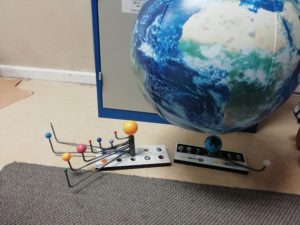
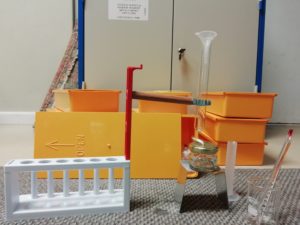
Key Stage 2 is very excited. We have taken delivery of a brand new science cupboard which has equipment, apparatus and chemicals supporting our science curriculum – including a periodic table; solar system model and the rocks and minerals we study. The apparatus comes in sets of 10, allowing students to work in groups of 2 or 3 to apply what they are learning in class.
Some new investigations this year can now include:
Grade 3: To investigate some properties of metals and non-metals.
To investigate how cranks and pulleys work.
Grade 4: Investigating melting and solidifying using different substances.
To investigate what materials are good/bad conductors of electricity.
Grade 5: To investigate the changing shape of the light on the moon.
To investigate soil types and measure how much water each soil can hold.
Grade 6: To investigate what happens when we mix different substances and compare their properties before and after mixing, to investigate whether we can recover the solute from the solution by different methods.
Written by:
Carey Schoots
Year 4 Teacher