
The Seeds Of Science
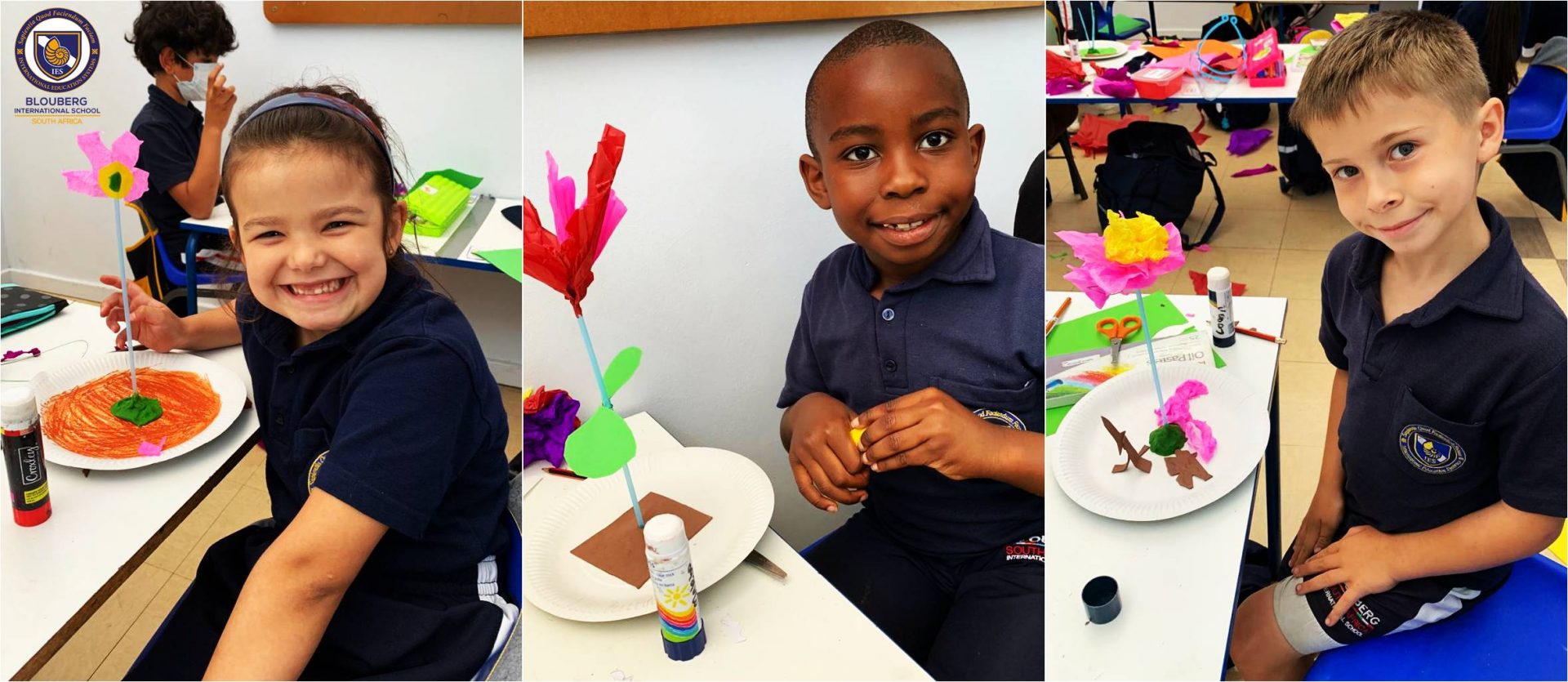
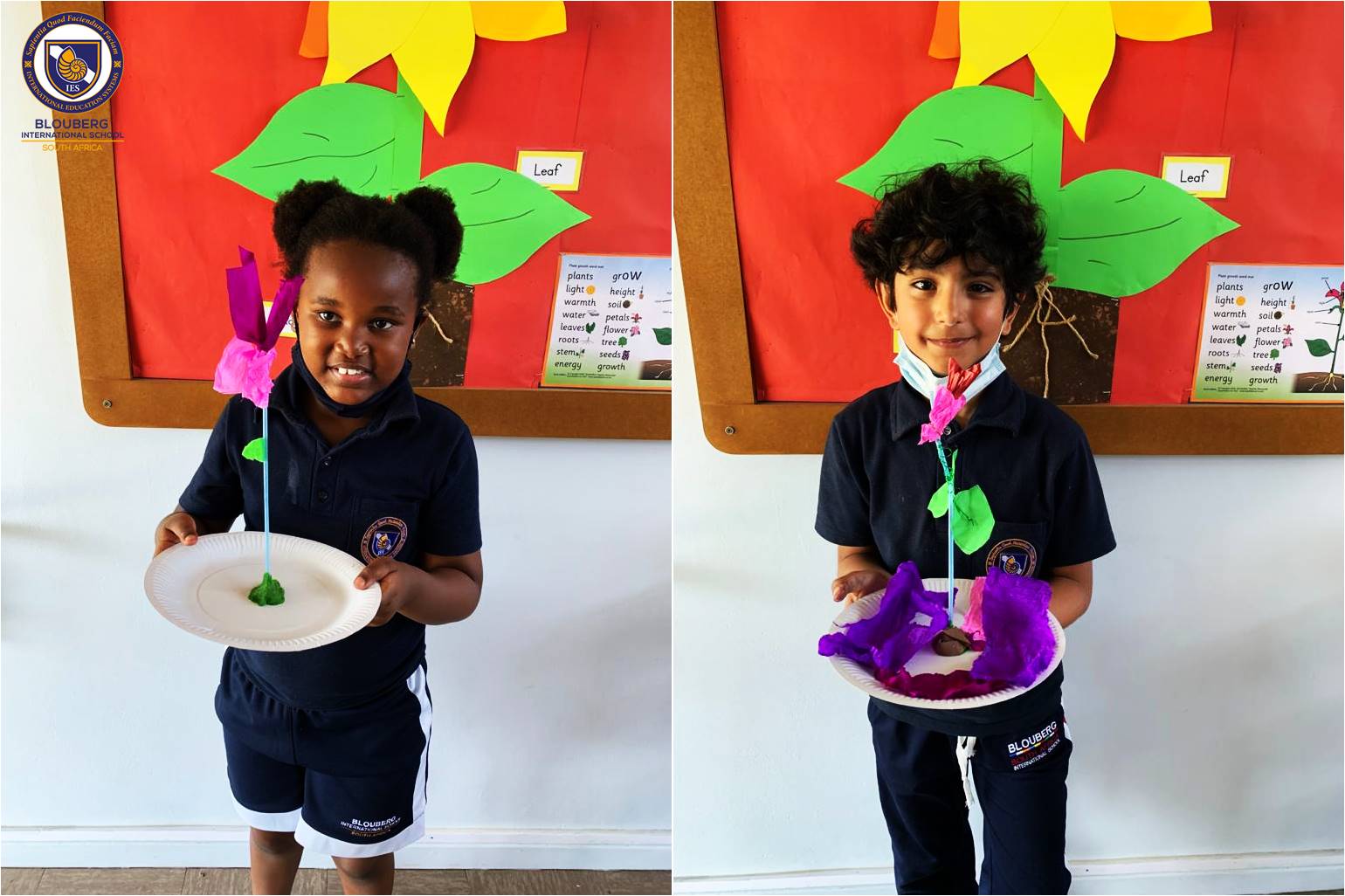
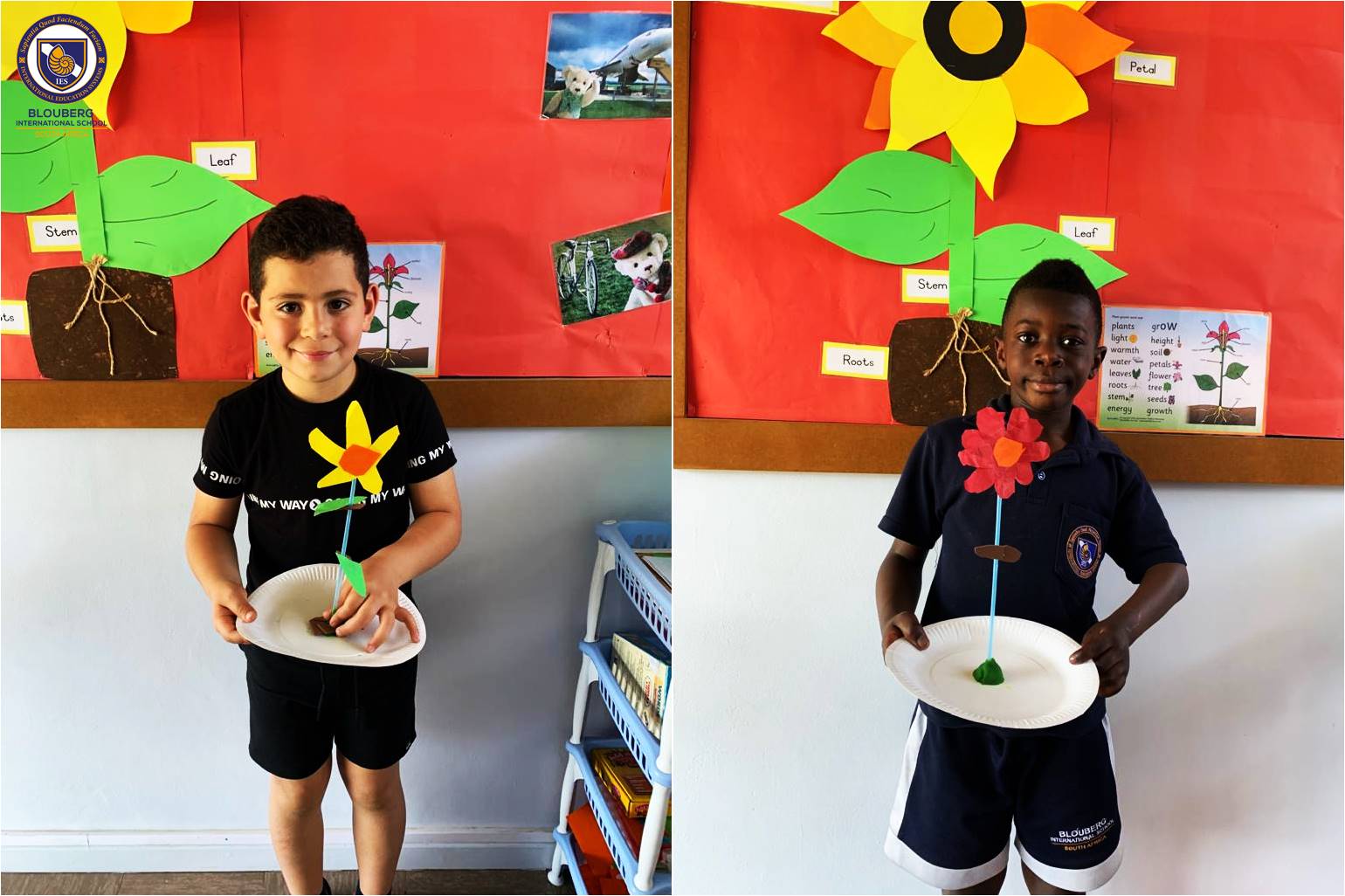
This term in Year 1 we have been observing and exploring plants in our Science lessons. Taking photos, labelling and even planting our very own seeds are all fun activities that we have been partaking in these past few weeks together.
We asked the students to make their very own model of a flower, taking into account the various parts of a plant. They thoroughly enjoyed getting creative and using a variety of different materials to make their own plant.
It is very impressive to see what some of the children came up with and how they made their flower stand up.
Well done to our budding scientists!
Charlotte Cronje
Year 1 Teacher

Nursery Creepy Crawly Fun
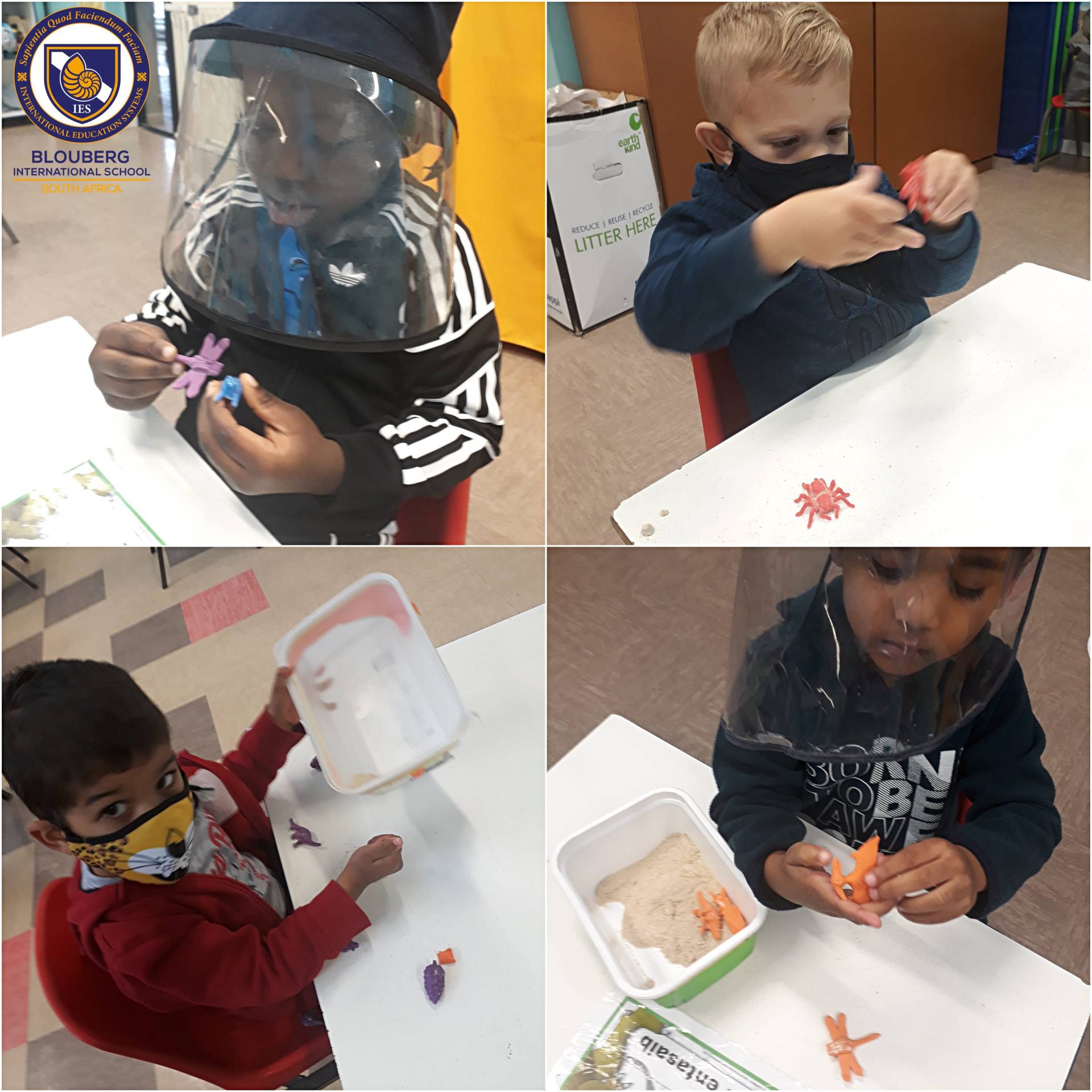
The Nursery class had so much fun learning about Creepy Crawlies and loved discovering and exploring the Creepy Crawly world.
This week:
- We learned about spiders, whilst enjoying singing “Incy Wincy Spider”.
- We also discovered that caterpillars turn into butterflies! We enjoyed reading the “Very Hungry Caterpillar” at story time.
- A great class activity was finding different insects hidden in the sand during their Sensory play this week and trying to name them all.
- For Art we made Butterfly handprints! They found it so funny and exciting to have their hands painted.
- We also enjoyed going for a walk out in our special garden to find insects.
Nursery Teacher

From The Geography Department
The study of change and processes which operate at various levels, from local to global, is a core part of the IGCSE and AS Geography syllabus. In our current climate we find change being a constant and adaptation to it being necessary for survival.
We live in an increasingly connected, globalised world. A geographer’s eyes analyse these connections and the spaces in which they operate. When the Spanish Flu hit in 1918, steamships and steam locomotives allowed the spread to take place at a fast rate. In 2020 we are able to travel physically over many thousands of kilometres in a matter of hours. Our economies are global and much of what we use on a day to day basis started its journey on another continent before reaching us.
We are also living in an urbanized world with over half the world living in cities. It is densely populated globally connected cities which have been hardest hit by Covid-19. We can track the spatial paths that the virus has travelled in these cities and globally to find patterns to aid us in its combat. Demographically distinct patterns can also be seen in the virus’s victims.
2020 has shown us that we are in this together. The local affects the global and one person’s behaviour can have an impact on neighbours and communities that are further afield. We are reminded that we are not alone and that the challenges faced by individuals are being faced by all. Visit https://coronavirus.jhu.edu/map.html and https://informationisbeautiful.net/visualizations/covid-19-coronavirus-infographic-datapack/ for various data lenses through which to view Covid-19.
Ann Donald
High School Geography Teacher
“Science is a way of thinking.” – C. Sagan
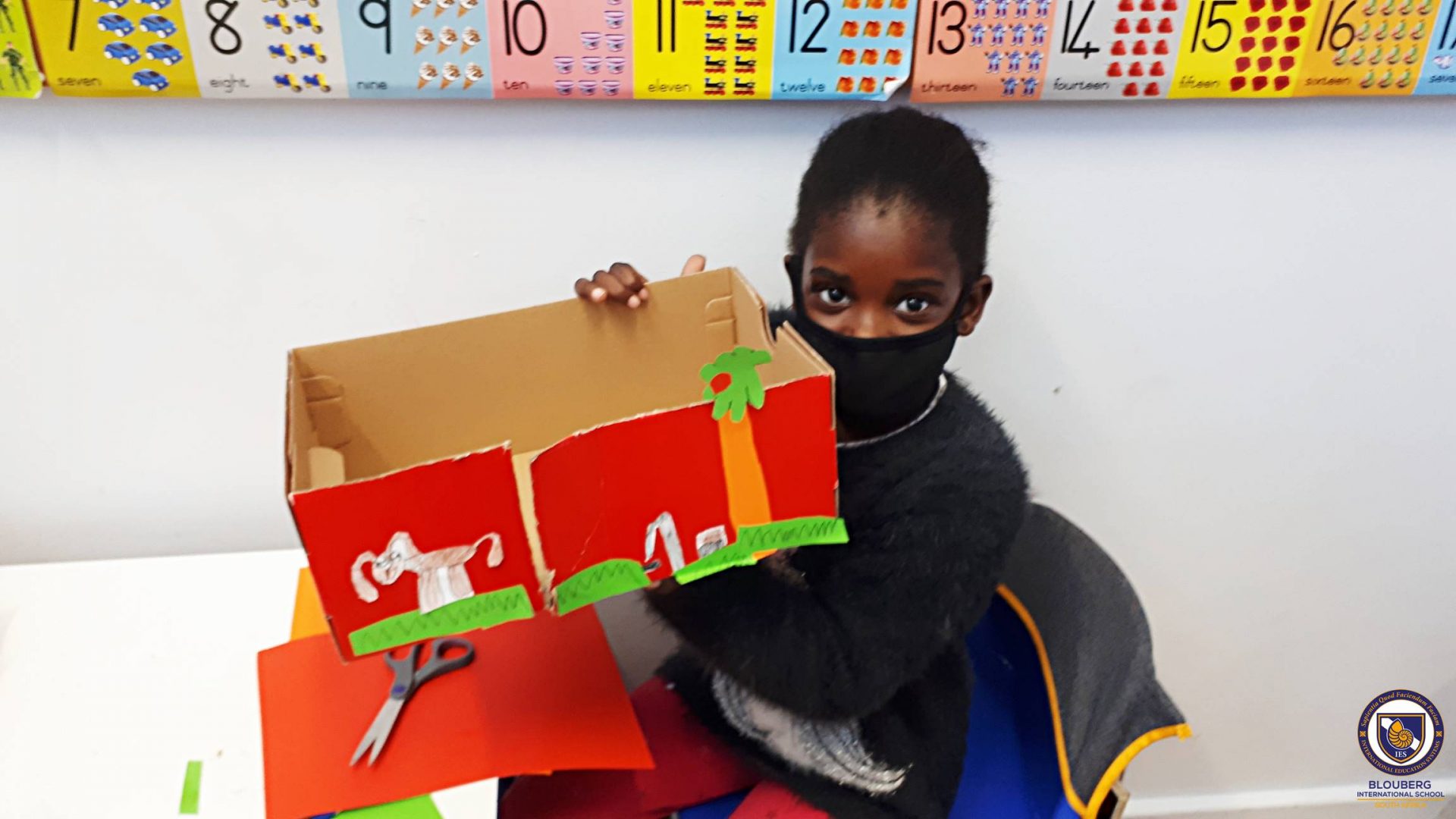
It was a treat to watch them draw pictures of their favourite animals, work out how to create their habitat and add in all the bits and bobs that they need to make an ideal environment for their animal.
They all came up with so many ideas, and were able to assist each other in ways that could encourage new designs. I saw them make cylinders, cubes and domes. I was super impressed.
They were all so proud of their accomplishments, and I am sure that we can all agree that we are proud of them too.
Wendy Menton
Year 1 Teacher


Let’s Light Up Year 4 With Science!
The Year 4’s spent the past few weeks learning about the spectacular Science topic: States of Matter.
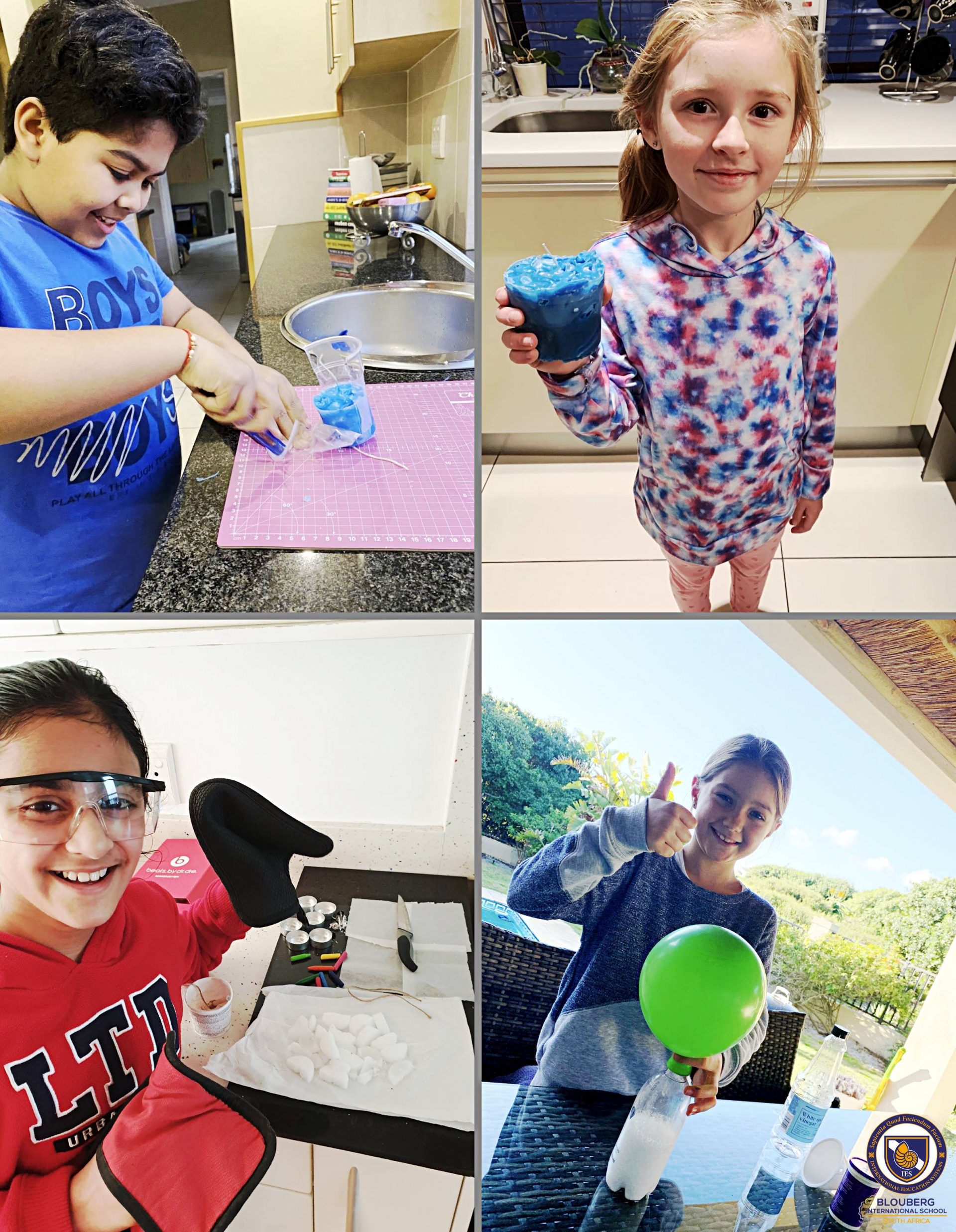
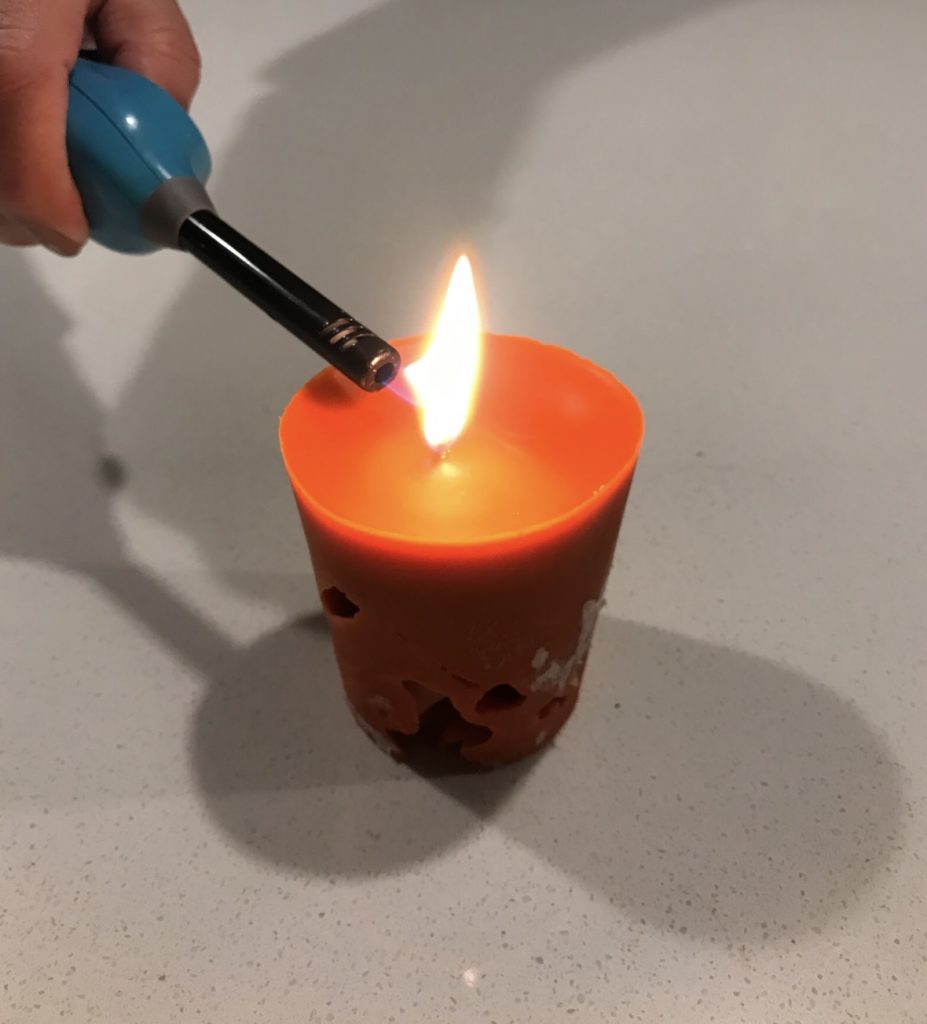
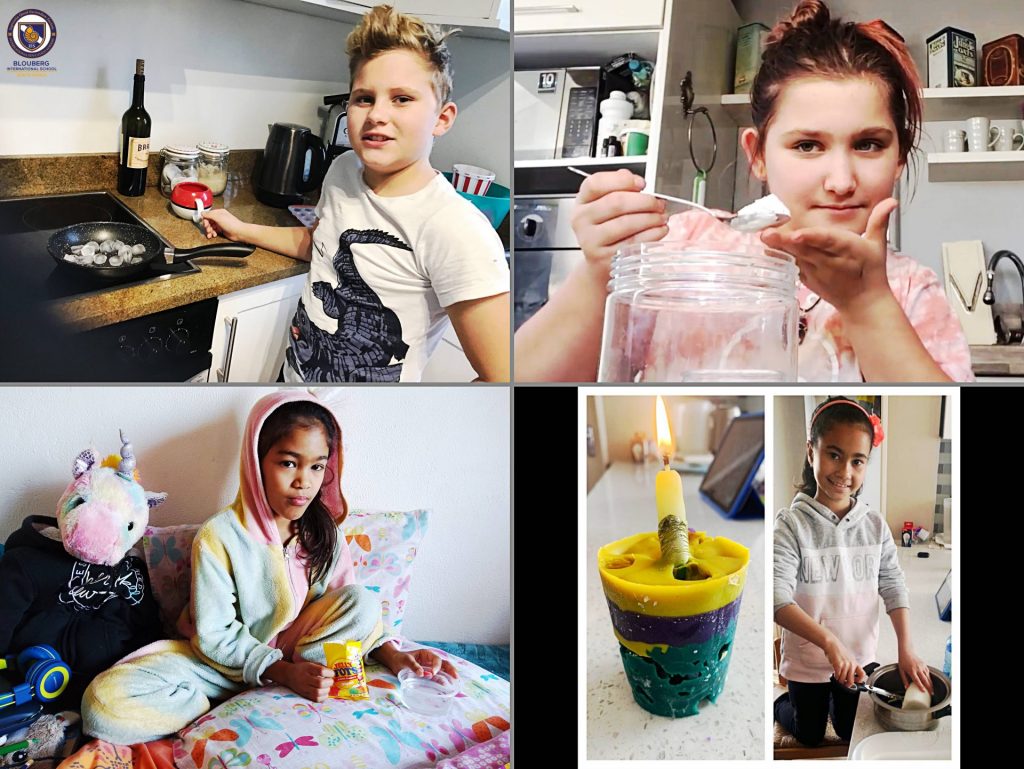
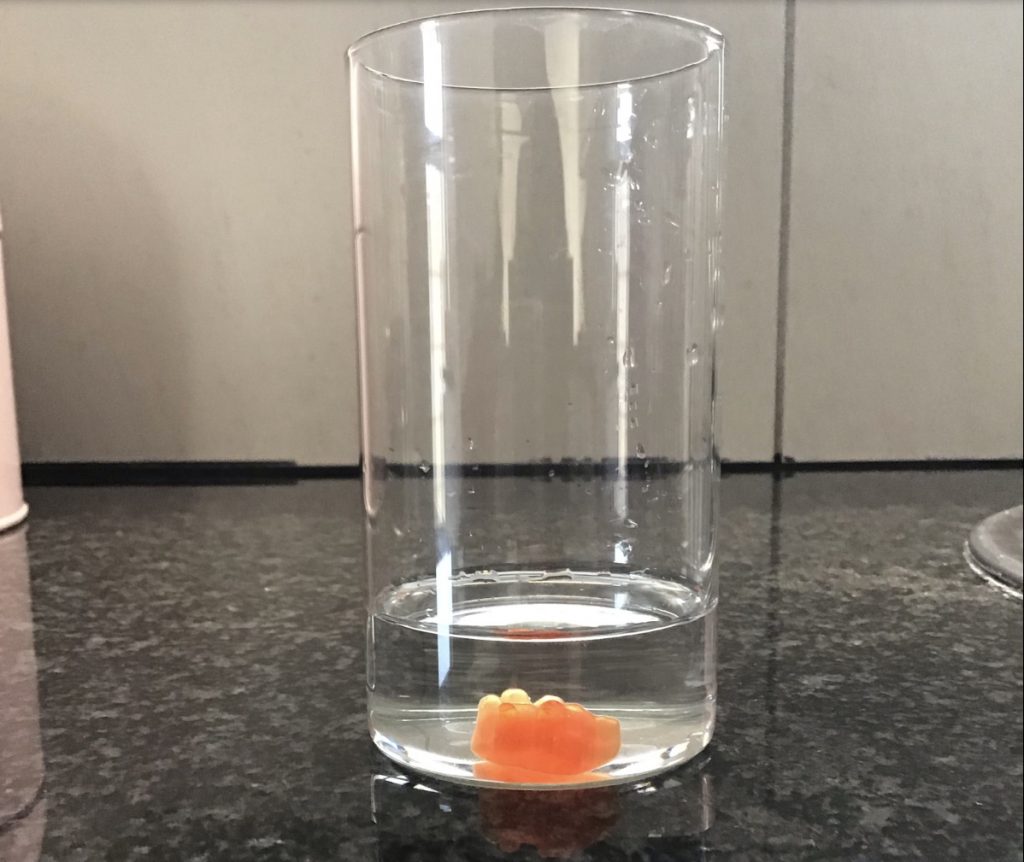
They learned about the different phases: solids, liquids and gases; and had to apply their knowledge with some very interesting practical activities. These investigations allowed them to observe matter changing from one phase to another; and they discovered various changes in matter properties such as colour, size, shape and texture.
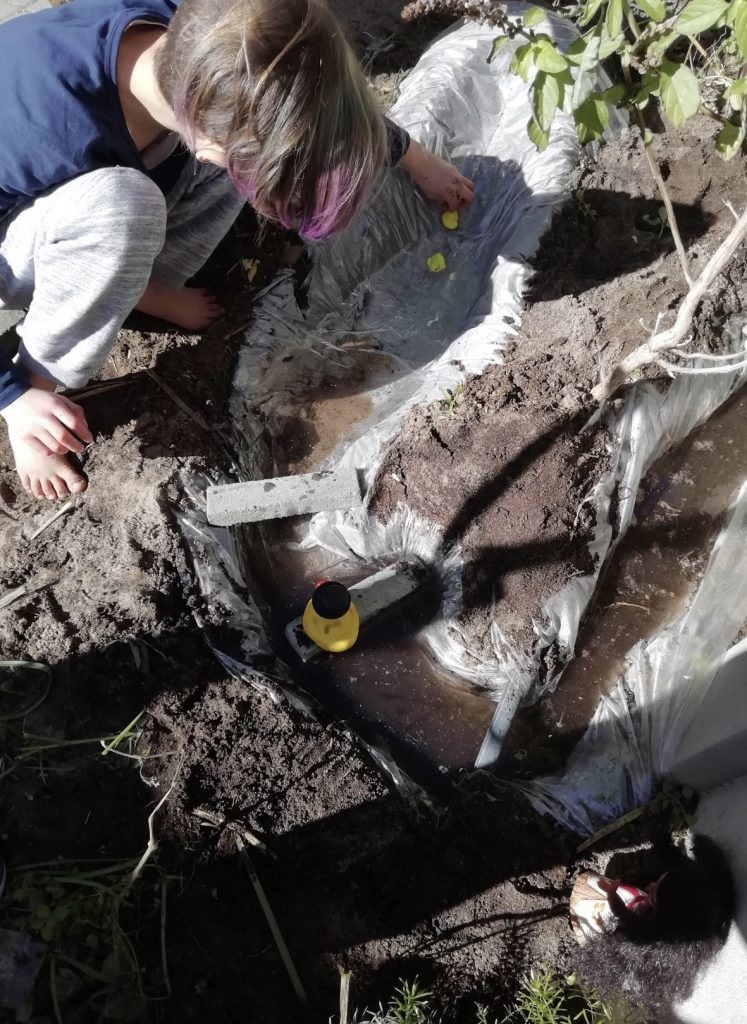
They built rivers, investigated growing Gummy Bears, made Ice Candles and Mystery Matter; and conducted numerous other exciting experiments.
Take a look at some of the fantastic photos that the students sent in. It is clear that they absolutely loved the “hands on” approach to learning.
A huge thank you to all the students that submitted photos of their marvelous experiments. We are so proud of you!
“Science is simply the word we use to describe a method of organizing our curiosity.” – Robert Frost
Year 4 Teacher


The Final Week of Term 2 (2020) And A Special Thank You
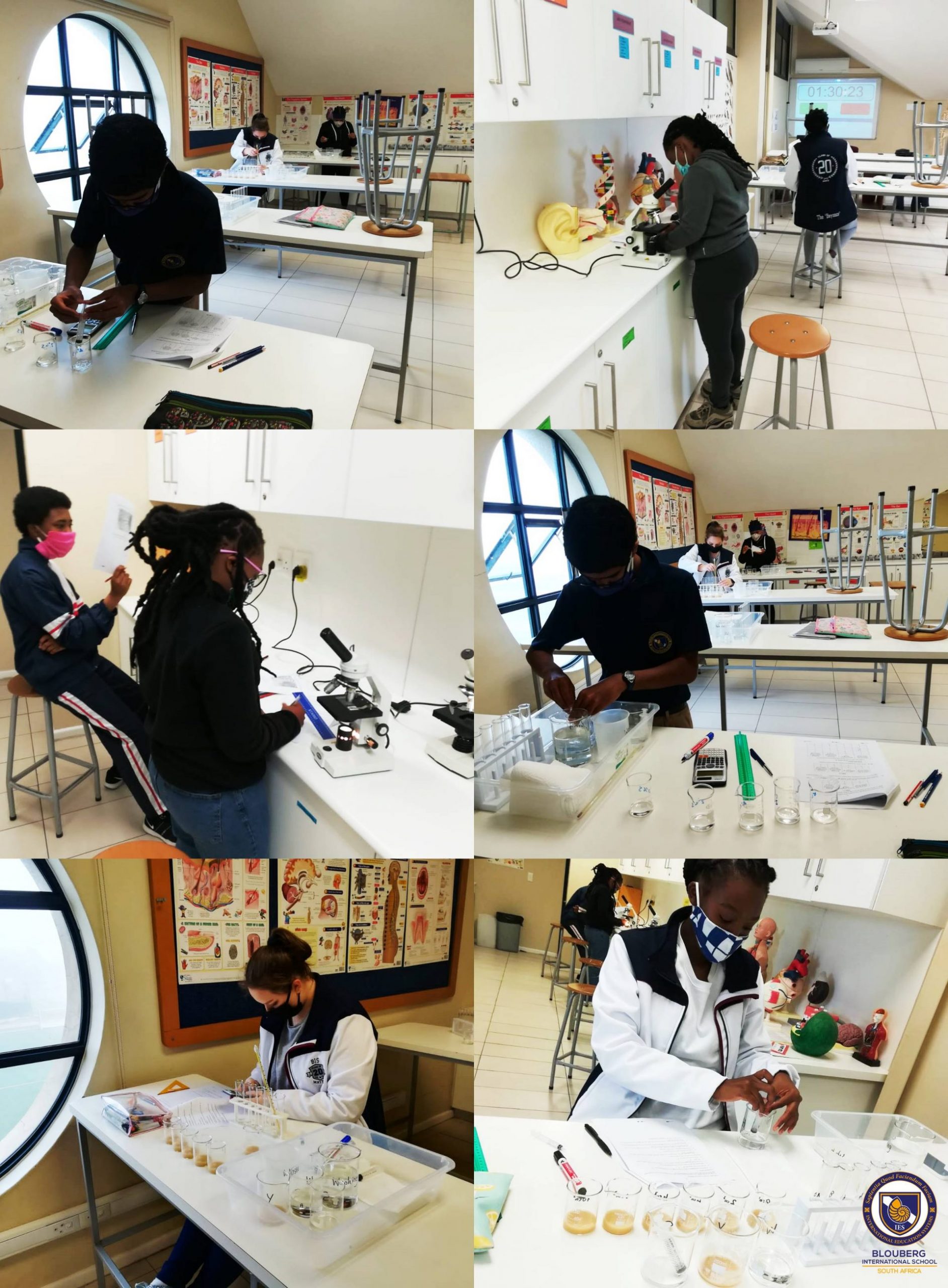
During the last two weeks of school our Year 12 Chemistry, Biology and Physics students came into school to complete practical work in the laboratories. Completing practical assignments is an important skill as it allows students to apply the theory they have covered in class and I am certain that when the Year 12’s return next term they will complete many more such assignments.
Finally, I would like to express my sincere gratitude to every one of you. Thank you to every student, parent, and teacher for all the hard work and effort you put in this term. Without your dedication and hard work our program of online learning wouldn’t have been possible.
Please look after yourselves during this holiday and we look forward to welcoming you back next term.
Julian Harrison
Head of Academics High School

My Own Filter
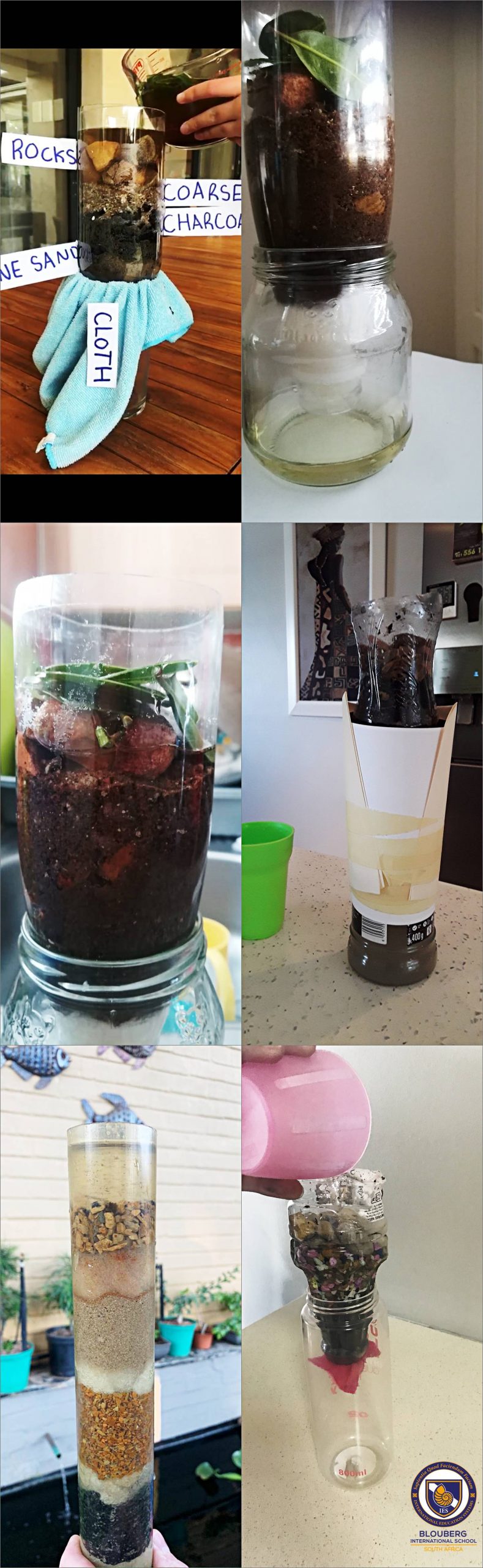
To end off our science chapter, “Material Changes”, for the term the Year 6 students explored how to make their own filtration system. Their goal for this activity was to discover that ground materials can clean and purify water before it is returned to the surface.
The criteria for the investigation was that their filter system needed to be durable and easy to use, have three layers and the layers needed to be made of ‘natural’ materials that they could find in their yards or nearby park. They could also make use of recyclable materials.
Let’s see what the Year 6’s had to say about their experience:
I really enjoyed my filtration project. It was so fun making the filter because you had to make important decisions on how you were going to layer your materials. It was really fun and I hope we get something like it again. – Maia Davies
What I liked most about the project was collecting all the materials especially the gravel because people were looking at us very weirdly. I enjoyed all of it and it was a great experience. – Glanville Morgan
What I enjoyed the most was experimenting with the different materials and finding out if they filtered the water. Knowing that a material that I tested worked and filtered the water made me fill with joy. I learnt that if natural filtration did not exist most of the fresh and clean water we have would be dirty. I also learnt that different materials have a different impact on how it changes the water. – Saumya Maharaj
I enjoyed making the actual filter, choosing what to put inside it and what should go in first. I learnt about how natural items ,like sand and rocks, can actually clean dirty water and about how charcoal removes toxins from dirty water without removing important minerals. – Faith Chivaka
The thing that I have enjoyed the most was how filtration works. We have learnt that the filtering system removes redundant or unwanted particles in dirty water. Filtration is a process used to separate solids from liquids using a filter medium that allows the fluid to pass through but not the solid. – Teeyana Shaik Mahomed
We would like to congratulate our students for doing a phenomenal job at completing this project.
Katherine Nel
Year 6 Teacher

The Shadow Of Show And Tell
– T.J. Webber
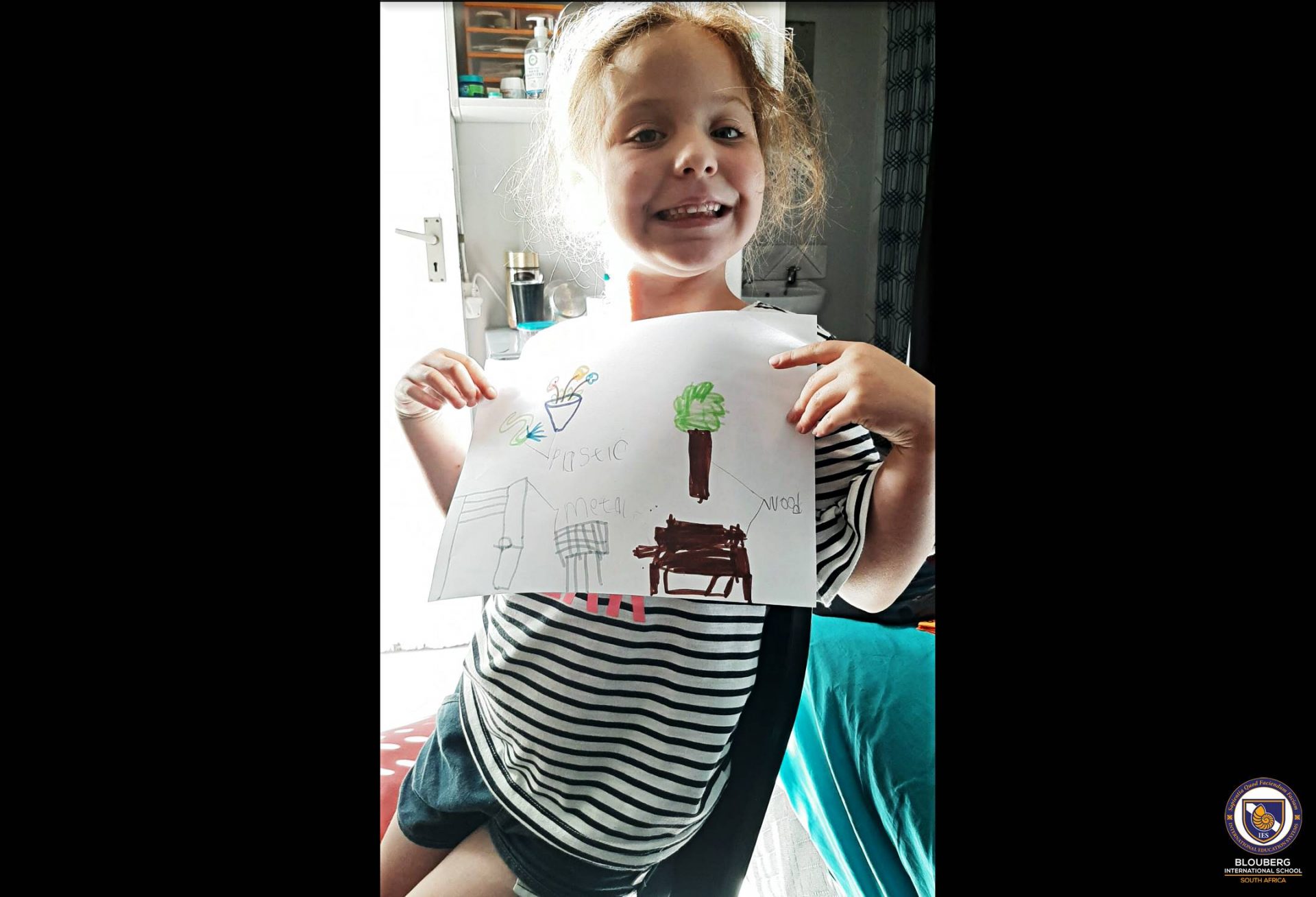
We all know that children love to talk. Any opportunity given, will find children in groups happily chatting away. Put them in front of a classroom, and suddenly, for some, it becomes a nightmare!
Show and Tell is one way in which we encourage our students to practise public speaking. Most are keen to talk about what they have brought to school and show it it their friends. This could be in the form of a poster, a researched subject, or even a favourite toy.
The Year 2 teachers have been trying to keep Show and Tell alive during this e-learning experience, by giving the students topics to plan for and present to their classes. This exercise has resulted in some interesting experiences! I found the ‘mute’ button on my laptop and was incredibly pleased with myself, until I realised that the students could ‘un-mute’ themselves, leaving everyone trying to talk at once. A week later, after some diligent technological research, I discovered that there was also a button which allowed me to stop them from ‘un-muting’ themselves. We continued in full swing, until my internet crashed, leaving my class wondering where I was. So, I have been told, one of the students acted as ‘host’ for the meeting and they carried on without me.
In this time, we find ourselves in, I have discovered that the importance of Show and Tell is profound. Not only are they practising their public speaking skills, it gives them a chance to see their friends and just interact with them.
The topic for our last Show and Tell was making a poster, based on a Science Shadow Puppet experiment. They certainly enjoyed this project and did a fantastic job of completing it and presenting their findings.
Kim Coetzer
Year 2 Teacher


Materials
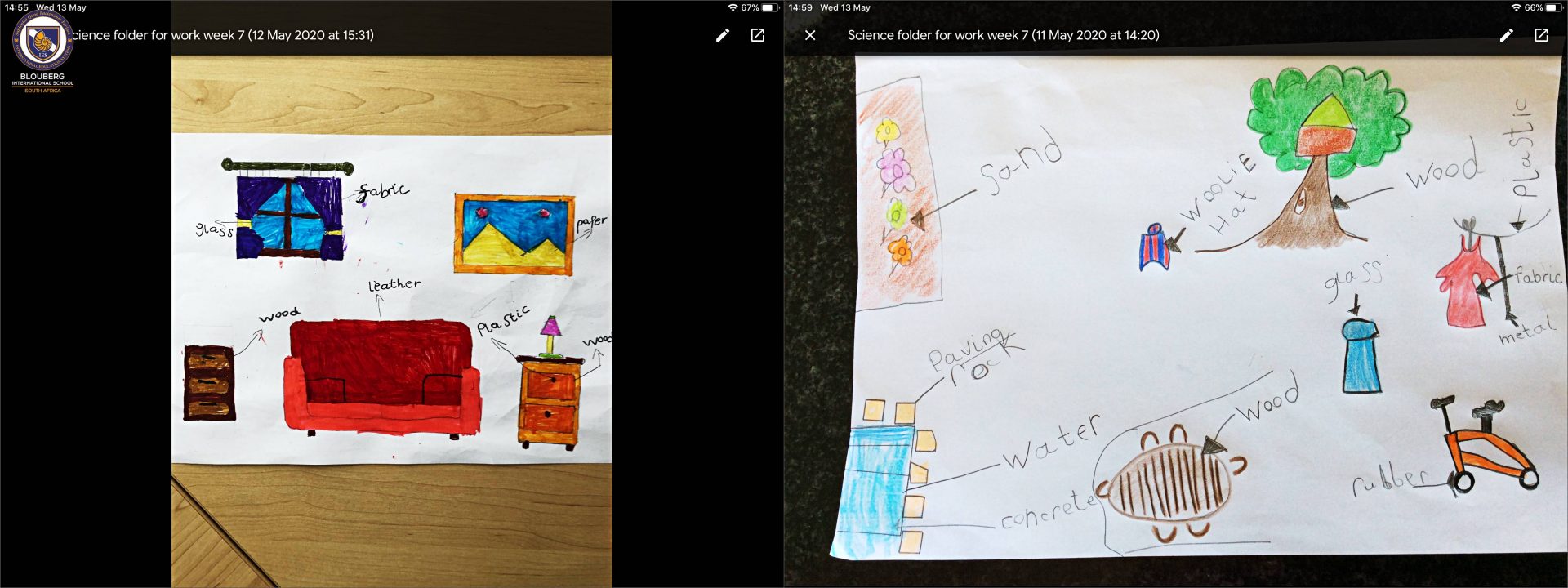
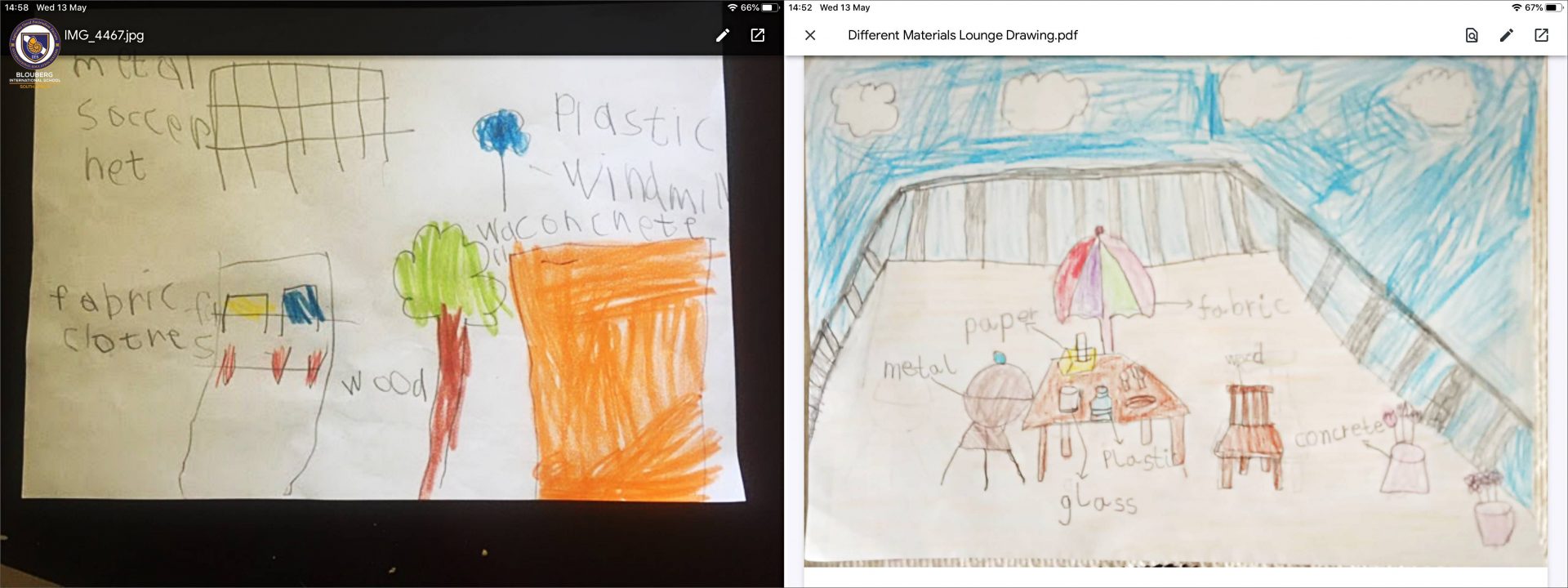
This is very interesting while we are at home as we can explore and observe, like real scientists, and find all of the different materials we have at home and use everyday.
As you can see from the beautiful drawings, the students in my class have had a lot of fun finding different materials in their back gardens and labeling their pictures.
I’m so proud of Year 1 and all their hard work and ongoing commitment to their studies. Well done Year 1!
Charlotte Cronje
Year 1 Teacher

Change Is Good
“For the things we have to learn before we can do them, we learn by doing them.” – Aristotle
This term in Year 6, we have been learning about Material changes. The students have been focusing on topics such as reversible and irreversible changes, mixing and separating solids, soluble and insoluble substances, separating insoluble substances, solutions, how can we make solids dissolve faster and how does grain size affect dissolving.
It has been a very interesting journey for the Year 6’s as experiments have been conducted each time they learnt about a new topic. They tested each of the above topics and came up with their own predictions, methods, results and conclusions. I hope that they cleaned their parents kitchen straight afterwards!
Here are some things the students enjoyed about Science:
“Well in science I really enjoyed conducting the experiments and finding out some things that I didn’t know, for example, I did not know why things dissolve faster in hot water but I then did the experiment and checked my textbook, I found out the answer. I also liked making the picture that we did at the beginning of the term about irreversible and reversible changes.” – Treasure Daniel
“I really enjoy the experiments because they give me a greater understanding on how things work like solutions and dissolving it is really fun.” – Maia Davies
“The thing I like about science is that when I conduct an experiment it makes it easier for me to understand the lesson. Like for the insolubles as I did the experiments it helped me understand and for the irreversible work when the teachers told us to make pictures in our book it helped because I used highlighting, so it stood out in my book. In science I’m 100 percent understanding the work.” – Yadar Mashoene
“On online schooling in science, we have learnt about material changes, solutions and mixtures, soluble and insoluble substances, different methods on how to separate mixtures and solutions, factors that affect dissolving, how to conduct a fair experiment and how to record our results. My favourite part of science is conducting experiments and learning the outcome of each one. I also enjoy learning about how to separate different mixtures and solutions.” – Saumya Maharaj
We are very proud of the excellent work our Year 6 classes are consistently producing!
Brittney Hakime
Year 6 Teacher